Looking for skin care tips and tricks from an esthetician? We’re excited to chat with Eminence Organics’ Lead Skin Care Trainer, Natalie Pergar, and tap into her expertise, including the most effective skin care strategies and personal product favorites. Dive into Natalie’s wealth of tips, covering everything from refrigerating your eye cream to multi-functional skin care products. Watch the full video below, or read along for her top tips.
1. Evaluate Your Time Investment
Evaluate how much time you can dedicate to your routine, as this will dictate the types of skin care products and treatments you can realistically incorporate into your day. It’s all about finding a balanced approach that’s neither too overwhelming nor unsustainable. Gradually building your routine enhances your lifestyle without causing undue strain on your skin or your schedule.
2. Gradually Add Products Over Time
Starting with a few key products, such as a cleanser, toner and moisturizer, can prevent overwhelming your skin all at once. This approach lets your skin gradually become accustomed to new products, minimizing the risk of irritation. As you grow more familiar with how your skin reacts, you can carefully add more products. Progressing step by step ensures your routine is both effective and enjoyable and it simplifies identifying any product that might cause a problem.
3. Maintain Product Hygiene For Clearer Skin
To keep your skin healthy and clear, it’s important to prevent contamination when using your skin care products. Instead of using your fingers, which can spread bacteria, opt for a clean spoon or spatula to apply your products. This practice helps keep your products pure. Remember to clean these application tools thoroughly after each use. Washing them with soap and water, or sterilizing them with an alcohol wipe, will ensure that they remain hygienic for every use.
4. Pop Products In The Fridge
Natalie likes to keep her products cool by popping them in the refrigerator so that they feel cool on her skin. This method can be especially beneficial for products like eye creams or certain serums, providing an additional soothing effect upon application. You may want to do this if you want your eye cream, for example, to feel more refreshing on your delicate eye skin.
5. Store Your Products In A Cool, Dry Location
To ensure the effectiveness and longevity of your skin care products, it’s best to store them in a cool and dry place. This is particularly important for products containing active ingredients, as heat and moisture can affect their potency.
6. Embrace Multi-functional Skin Care Products
Consider using skin care products that serve more than one purpose, like a cleanser that also offers exfoliation. This approach not only streamlines your routine but also saves you time.
7. Trying Micro-Masking For Efficiency
If you’re finding it hard to commit time to regular masking, try “micro-masking” sessions. These are brief, about three to five minutes each and you can do one to three of them to meet your skin care objectives. Micro-masking is a time-efficient method that fits easily into a busy schedule, allowing you to enjoy the benefits of masking without it being too time-consuming.
8. Morning Mask Routine
Natalie suggests that applying masks in the morning maximizes their benefits, as they prepare and protect your skin for the day. Morning masks are great for addressing specific issues like puffiness or a lackluster complexion, providing a quick fix for a more refreshed and vibrant look. A favorite of Natalie’s is the Turmeric Energizing Treatment as it’s designed to rejuvenate the skin with an exfoliating and stimulating effect. Ingredients such as turmeric and paprika help to revitalize the skin’s appearance, giving it a soft, radiant glow. Additionally, kaolin clay in the mask acts gently to cleanse and remove the look of impurities.
9. The Ideal Water Temperatures for Skin Care
Begin your facial cleansing with tepid water to gently wash away products. Finish off with a splash of cool water. Tepid water is mild and effectively cleanses without stripping away essential oils. It’s important to avoid extreme water temperatures, as they can be harsh on your skin. For example, using hot water can lead to dryness and irritation and can worsen conditions like acne or eczema by removing natural oils. Tepid water offers a balanced approach, maintaining the skin’s health without causing stress to the skin barrier.
10. Choosing the Right Facial Oil
When adding facial oils to your skin care routine, opt for ones that suit all skin types. High-quality facial oils are concentrated and powerful, so a small amount goes a long way. Usually, just a few drops are enough for your entire face. Natalie suggests starting with the Facial Recovery Oil as it’s high quality and crafted from organic and Biodynamic® ingredients. This oil features age-defying clary sage, balancing ylang-ylang and nourishing olive and sesame oils, making it a versatile choice for various skin types.
11. Prioritizing Nighttime Skin Care
In addition to your daytime skin care products, it’s crucial to select a product that nurtures your skin throughout the night. During sleep, your skin naturally repairs and rejuvenates itself. Nighttime skin care products, such as Natalie’s recommended Marine Flower Peptide Night Cream, are specially designed to support this overnight recovery process by helping hydrate during the skin’s repair cycle. They address overnight moisture loss, aiding the skin in retaining hydration and recovering from the day’s environmental stressors. Incorporating such a product into your nightly routine can significantly enhance your skin’s health and appearance.
12. Extend Care To Neck & Décolleté
Remember to include your neck and décolleté when applying products, like SPF. These often neglected areas are just as exposed to harmful environmental factors like UV rays and pollution, as your face is. The skin in these regions tends to have fewer oil glands compared to the face, which can lead to increased dryness, sagging and the earlier appearance of fine lines and wrinkles. Just as caring for often overlooked areas like the neck and décolleté is crucial, selecting the right skin care products can make all the difference in your routine. Let’s dive into Natalie’s top picks for esthetician-approved skin care products that can help you achieve amazing results.
Natalie’s Must-Have Esthetician Skin Care Products
Are you ready to incorporate these tips and tricks? Visit your local Eminence Organics Spa to get a personalized skin care consultation for your skin type.
Clogged pores: a phrase that can make anyone pause and inspect their skin a little closer. But have you ever wondered if age plays a role in this pesky skin issue? Sure, we all know about teenage acne, but what about later in life? Is it a problem that fades with time, or does it evolve, taking on different forms as we age? Let’s uncover the intricate link between age, skin type and the best approaches to keeping your skin clear and healthy without clogged pores, no matter your age.
Clogged pores typically occur when hair follicles on your skin get jammed up with oil, dead skin cells and other unpleasant gunk. Pores are tiny openings that contain these hair follicles and are connected to oil-producing sebaceous glands that keep your skin supple and protected.
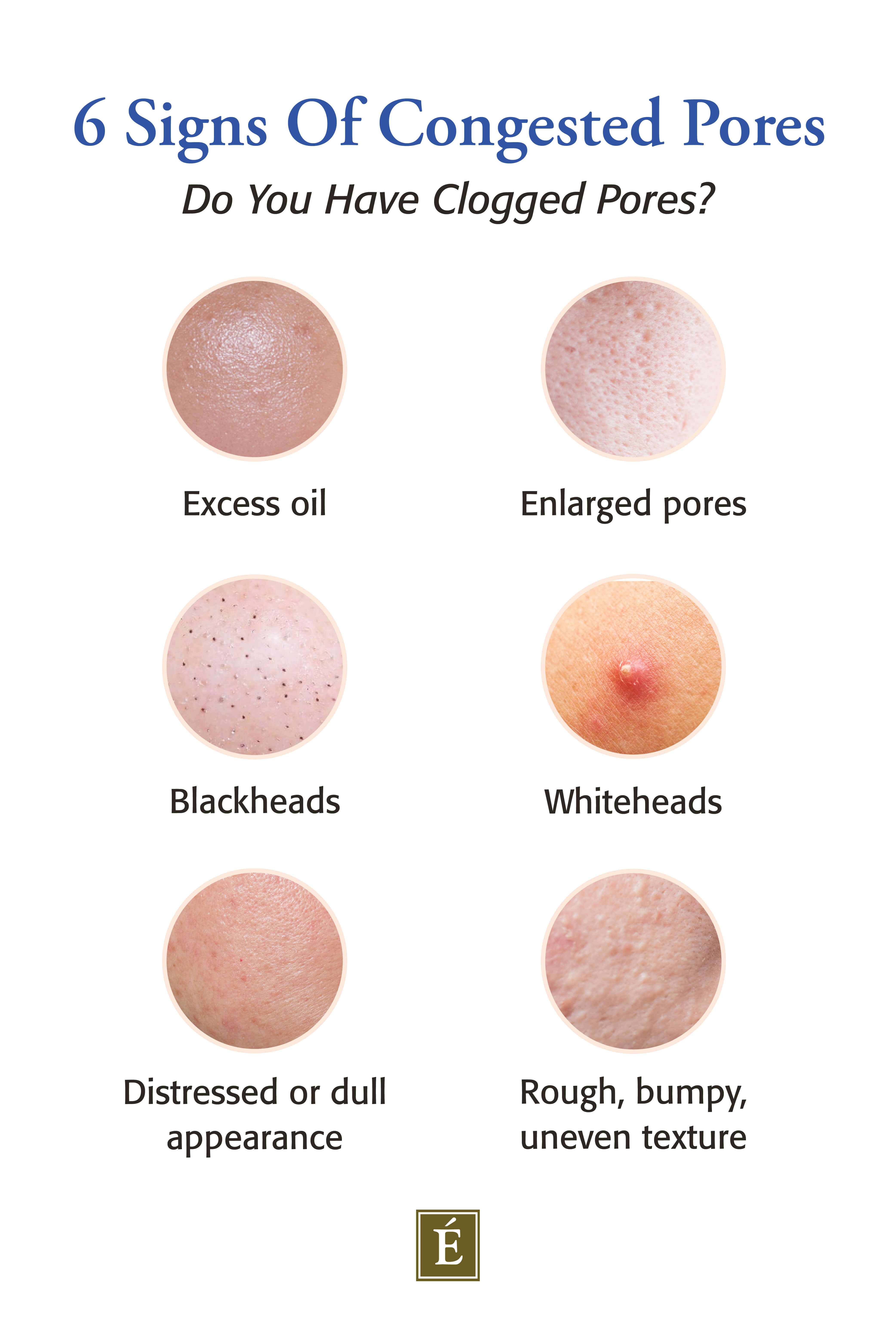
Your pores play an important role in regulating skin’s moisture balance but when they mingle with dead skin and pollutants, it can spell trouble. Are you unsure what clogged pores look like? They can manifest as congestion on your skin, in the form of annoying blackheads, whiteheads and other symptoms including:
Excess Oil: An oily or shiny appearance, often more noticeable in certain areas like the T-zone (forehead, nose, and chin), often goes hand in hand with pore congestion.
Whiteheads: These are small, raised, white bumps on the skin’s surface, resulting from pores clogged with sebum and dead skin cells.
Blackheads: Similar to whiteheads, this form of congestion appears dark due to the oxidation of the debris inside the pore.
Dull Skin Appearance: Congested skin often loses its natural radiance, appearing lackluster and tired. This can be connected to lingering dead skin.
Enlarged Pores: Pores may appear larger due to the accumulation of oil and debris.
Rough,Bumpy Texture: The skin’s surface can feel uneven and coarse to the touch, indicating underlying congestion.
Now that you’re familiar with what clogged pores are, you may wonder if you can get them at any age.
What Causes Changes In Pores?
The likelihood of you getting clogged pores will depend on several factors:
Aging
As your skin matures, a natural part of the aging process is the depletion of collagen levels. This reduction in collagen can cause the skin to lose its firmness and plumpness, which in turn may lead to enlarged pores. Enlarged pores are more susceptible to becoming clogged with oil, dirt and dead skin cells, which can result in clogged pores.
Acne
According to DermNet, acne is associated with clogging enlarged pores “through weakening sebaceous gland and hair follicle openings, making them more prone to blockage.” This blockage can also involve bacteria, leading to acne spots or lesions, or can be a result of an overproduction of oil, the accumulation of dead skin cells and the body’s inflammatory response.
Neglecting Your Skin Care
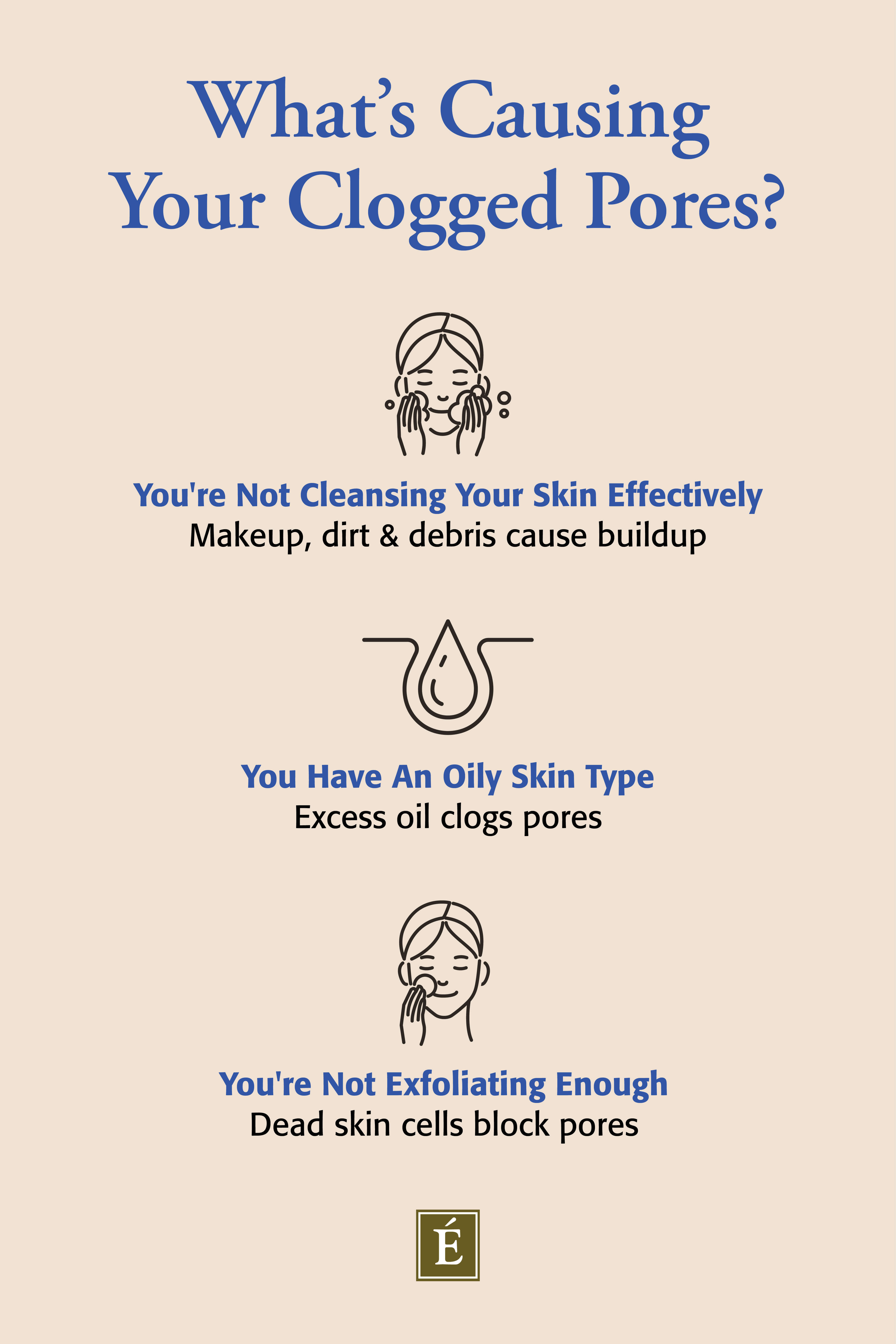
Inadequate cleansing, such as not washing your face properly or often enough, can lead to oil, makeup and dirt buildup, causing clogged pores. On the other hand, over-washing or using harsh cleansers is another cause for concern, as these approaches can strip natural oils and lead to increased sebum production, increasing the likelihood of developing clogged pores.
Genetics: You Have An Oily Skin Type
Genetic predisposition plays a role in skin type and its characteristics. Those with naturally oily skin are more prone to excessive sebum production and, consequently, clogged pores. Essentially, if oily skin runs in your family, you might find yourself more prone to issues related to excess oil, such as whiteheads, blackheads and enlarged pores.
Sebum Overproduction
Sebum, the natural oil produced by sebaceous glands, is essential for keeping the skin hydrated and healthy. But, when produced in excess, it can lead to a greasy look and feel. Plus when excess sebum mixes with dead skin cells or pollutants, pores frequently end up blocked and clogged. Skipping makeup removal before bed? That’s practically an open invitation for clogged pores. Leaving makeup on too long traps sebum and dead skin against your skin, preventing their natural shedding process and leading to unwelcome clogs.
Neglecting regular exfoliation can allow dead skin cells to build up and clog your pores. Ideally, the natural process of skin shedding involves the removal of dead skin cells from the surface. However, if these cells are left to accumulate on the skin’s surface and within the pores, they mix with sebum and other substances to form clogs.
Hormonal Fluctuations
You might have noticed that at different times, your skin seems to behave differently. Often, this is linked to hormonal shifts that occur alongside puberty, the menstrual cycle, pregnancy or menopause. During these times, your body experiences changes in hormone levels, which can lead to an increase in sebum production, which as mentioned earlier, is a key factor in the development of clogged pores.
External Pollutants
Daily exposure to pollutants, dirt and makeup can contribute to clogged pores. These external pollutants accumulate on the skin, mix with sebum and dead skin cells and further exacerbate pore blockage.
Stress
Though it may not seem obvious, the connection between stress and clogged pores, specifically acne, is well documented. A study from the Archives of Dermatology observed a direct correlation between stress levels and acne severity. During certain times, your body experiences changes in hormone levels, which can result in increased sebum production. As mentioned earlier, this heightened sebum production is a key factor in the development of clogged pores.
Whether you’re in your teens and 20s, or in your 50s and beyond, it’s helpful to consider these factors when pinpointing the reason for a sudden outbreak of clogged pores. Dealing with clogged pores is a bit like solving a puzzle — it’s different for everyone and changes over time. If you’re keen to dive deeper and discover effective methods to unclog your pores, be sure to check out our comprehensive guide on how to decongest clogged pores. There, you’ll find detailed skin care strategies and tips for maintaining clear, healthy skin.
You can also visit your local Eminence Organics Spa Partner to get a personalized and professional routine to assist with your clogged pores or any other skin issues.
These days, we are becoming more aware of skin care ingredients and what they can do for our complexions. Whether it’s via social media, beauty blogs or our estheticians, information about skin care products is all around us. And with more exposure to the ingredients and their benefits for the skin, plus tutorials at our fingertips, there’s no end to the different recipes we can tweak to make our skin care work at its most optimal level. Read on to learn about the concept of skin care cocktailing and how it can shake up your routine.
A multi-step skin care regimen is no longer thought of as high maintenance, it’s just kind of the norm these days. After all, if one effective product is good for your skin, then two or three (or more) must be better. While that is not always the case, there are a lot of ingredients that can be mixed and matched to complement each other and supercharge the effects beyond what they can achieve individually. Skin care cocktailing is a process of combining or layering products within your skin care regimen to enhance the efficacy, absorption, results (or all of the above) for healthy and glowing skin. The process is easy and customizable based on your needs.
Some ingredients bring out the best in each other and amp up their results, taking your skin care to the next level. These combinations can create an optimal skin care routine tailored to your specific needs, but cracking the code takes some work. More is not always more when it comes to ingredients, and layering too many can disturb the actives, cause irritation and defeat the whole purpose of the practice. But, in the same way a good bartender can mix up an amazing drink, the right skin care cocktail recipe can be a magical combination.
How To Mix Yourself An Effective Skin Care Cocktail
The key to a cocktail that works for your specific skin is to really hone in on what you’re trying to achieve. Whether you’re looking to create a brighter-looking complexion, clearer and more balanced skin or a smooth and hydrated glow, knowing your end game and working backwards is the most effective way to curate your mixology.
A skin care cocktail routine requires some knowledge on how to layer actives. It’s important to both understand which ingredients work well together and in what order they should be applied. The rule of thumb is to apply based on texture. Lightest products first and thickest last. Toner, serum, oil, moisturizer and SPF for day.
The timing of the application is also important. Give each product enough time to soak in and dry on the skin before you apply the next one. About five minutes is a good window. A clue that you layered something on too soon could show up as pilling or separating of the product on the skin. Again, while the term “cocktailing” might conjure up the image of one big martini shaker full of different ingredients, this is more about ingredient layering rather than mixing.
Skin Care Cocktailing Step-By-Step
Follow these easy rules to get the most out of this skin care strategy.
Step 1
Cleanse your face to make sure you are starting with fresh, clean skin. Based on your goals, you can choose a cleanser that aligns with the results you’re trying to achieve. In other words, rather than just cleansing the skin to create a nice, neutral canvas, amp things up by using a cleanser that addresses your issues, from dark spots to fine lines.
A good tip is to find a product that complements your skin type and addresses any concerns you are struggling with. If your goal is a cocktail that will help with problem or acne-prone skin, our Clear Skin Probiotic Cleanser is a good place to start. It’s both cooling and balancing and reduces the visible signs of problem skin and breakouts. Or try the Acne Advanced Cleansing Foam which effectively prevents acne breakouts and clears blocked pores.
Follow the cleanse with an exfoliation to get rid of dead skin cells and other debris on the surface of the skin that could get in the way of product absorption. An exfoliating cleanser like the Charcoal Exfoliating Gel Cleanser or the Mangosteen Daily Resurfacing Cleanser will save time by doing double duty. Both will cleanse and exfoliate in one step, priming your skin to drink in the rest of the cocktail.
Step 2
Applying a toner and an essence can help enhance the results of your cocktailing routine. A toner completes the cleansing process by getting rid of any residue that may be left on the face. A toner can also address skin concerns, from acne to aging, and can balance out pH levels of the skin. Follow that with an essence that preps the face for the next steps in the routine, while also maximizing hydration, plumping and protecting. Skin is known to better absorb actives when it is slightly damp, so a spritz or swipe of a hydrating essence can prepare the skin to receive the next ingredients in the cocktail routine.
Our Pineapple Refining Tonique is designed to brighten, hydrate and exfoliate with gentle enzymes and acids. If you’re looking to purify the skin and improve barrier function, the Birch Water Purifying Essence is a great option.
Step 3
This is where the true cocktailing begins. As mentioned, some products work well in tandem to enhance the results of each on their own. Two ingredients that play well together are salicylic acid and hyaluronic acid. Salicylic acid is a beta hydroxy acid (BHA) that provides protection against acne breakouts and encourages exfoliation and the unclogging of pores. And hyaluronic acid is a skin hydrator, meaning it will nourish and moisturize dry skin. Applying the two back-to-back will allow the salicylic acid to do its job of absorbing excess oil, while the hyaluronic acid mitigates any dryness by pumping moisture back into the skin. Our Strawberry Rhubarb Hyaluronic Serum does the mixing for you by combining hyaluronic acid with salicylic acid from strawberries for just the right balance.
Niacinamide is another ingredient that our Product Support Team loves because it can be combined with almost anything. Also known as Vitamin B3, niacinamide visibly reduces pore size, retains hydration, supports the skin barrier and smooths uneven texture. It is commonly combined with ingredients like antioxidants (Vitamin C), glycolic acids, conventional retinol and bakuchiol. Combining Vitamin C and niacinamide can yield hydration, brightening and skin smoothing benefits. And the combo of niacinamide and bakuchiol found in our Bakuchiol + Niacinamide Moisturizer smooths the look of wrinkles, visibly firms skin, minimizes the appearance of large pores and uneven texture with no visible irritation.
If you’re looking for more pairings that target a specific issue, we’ve got you covered.
Dehydrated Skin
Combining Birch Water Purifying Essence & Strawberry Rhubarb Hyaluronic Serum unites birch water, reishi mushrooms, Botanical Collagen and Botanical Hyaluronic Acid to restore hydration to the skin. Looking for more combos? You can also blend the following ingredients to combat dehydration: Glycerin, ceramides, jojoba oil, PHAs, AHAs and linoleic acid.
Happy customer, Julie, has tried this combo and said in a review on our website: “I mix the Citrus & Kale Potent C+E Serum with Bamboo Firming Fluid and have seen amazing results in the clarity of my skin, the even skin tone and the smooth feel. My Eminence consultant gave me the idea to make a product ‘cocktail’ with this ingredient. Give it a try! You’ll be happy you did!”
Mixing Masks
If you like the idea of layering or mixing ingredients to personalize your results but don’t want to commit to an entire routine, double masking might be a good option. The right mask can deliver a shot of nutrition, plus all sorts of benefits — from hydrating to brightening the look of dark spots, absorbing excess oil and minimizing the look of fine lines and wrinkles. And because they are designed to deliver higher concentrations of ingredients, masks can give your skin an instant boost, making them an easy and convenient addition to your at-home routine. If one mask is good, can doubling (or tripling) down be even better? The answer is yes! Find out more about double masking here.
Combinations To Avoid
In the same way that some products enhance others, there are ingredient pairings to steer clear of. Avoid using too many chemical exfoliants, such as alpha hydroxy acids (AHAs) and beta hydroxy acids in your routine. These can lead to over-exfoliation of your skin and potentially damage your skin barrier. The same goes for conventional retinol since too much can cause irritation, especially on skin that has already been exposed to acids.
SPF is a non-negotiable in any daytime routine but it is important to note that it should never be mixed with other products. Instead, it should be the last layer applied to the skin before makeup. Mixing SPF with another product can dilute the efficacy of the sunscreen, which can both defeat the purpose of using SPF and potentially cause serious sun damage. However. while we don’t recommend ever mixing your SPF with anything, if the ingredients come mixed with SPF in their formulations (like the bakuchiol and niacinamide in our Radiant Protection SPF Fluid or Vitamin C from passion fruit in our Lilikoi Daily Defense Moisturizer) you’re all good and the skin will benefit from a treatment built right in.
Of course, SPF should be worn daily to protect your skin, but it’s crucial to apply it the day after using retinol and acids. One more great cocktailing tip for maximum protection is layering Vitamin C alongside your SPF in the morning to protect your skin from environmental stressors. What that looks like is three to four drops of the Citrus & Kale Potent C+E Serum on cleansed skin before applying SPF.
Are you interested in building a skin care cocktailing routine? Visit your nearest Eminence Organics Spa Partner for advice about which ingredients you can combine to achieve the results you’re looking for!
Love being the first to know about new trends? Then you’ll want to know about black seed oil. While not a new ingredient, black seed oil, also known as black cumin seed oil, has recently become a highly sought-after ingredient in skin care — and for good reason.
This ancient herbal oil, which graced Cleopatra’s skin, has been traditionally used across the Middle East, Africa and Asia; and is now gaining global recognition for its remarkable benefits for the skin. Let’s explore its varied applications and gain practical insights on how to integrate black seed oil into your daily skin care routine.
Black Seed, an annual flowering plant, originates from Western Asia and parts of Europe (mainly Bulgaria and Romania). Ancient civilizations, including those of Egypt and Mesopotamia, valued black seed for its versatility, using it not only in cuisine but also for its medicinal properties. The real magic lies within its fruit, which houses numerous small, black, triangular seeds that contain powerhouse nutrients, such as linoleic acid, oleic acid and thymoquinone. Packed with antioxidants, antibacterial properties and omega fatty acids, black seed oil can be used to fight acne and reduce clogged pores as well as a source of hydration. Let’s delve into the specific beauty benefits of black seed and how its oil can be a transformative element in your skin care routine.
Beauty Benefits of Black Seed Oil
Worried about clogged pores? While some oils have a reputation for making congestion worse, there’s no need to stress with black seed oil. Thanks to its antibacterial and anti-inflammatory properties, black seed oil can clear symptoms associated with clogged pores — think excessive oil production and blemish formation. Azadeh Shirazi, M.D., a board-certified dermatologist tells Forbes that black seed oil can potentially alleviate symptoms of skin conditions such as psoriasis, eczema, vitiligo and acne. Black seed oil is also renowned for its benefits for your hair and scalp health. The phytochemicals in black seed oil reinforce hair strands from the roots to the tips, reducing breakage and split ends, while also providing hydration to revitalize dry and brittle hair.
To understand the wizardry of black seed, we should look at its core components. The two most prominent are linoleic acid and thymoquinone. Linoleic acid, an omega-6 fatty acid, reduces excess sebum production that can lead to acne, possibly owing to its antimicrobial and anti-inflammatory qualities. Meanwhile, thymoquinone takes on the role of a guardian against blemishes, providing a preventive measure for clearer skin. Thymoquinone is known for its antioxidant, antimicrobial and anti-inflammatory properties, which bolsters the oil’s capability for reducing the appearance of clogged pores. Together, these components help to tackle the look of clogged pores and reduce their formation.
Health Benefits of Black Seed Oil
While there is limited research on the health impacts of black seed oil, existing studies suggest it might have beneficial effects. The following are some notable insights from the current research, according to Healthline:
Enhances wound healing
Supports hair health maintenance
Aids in acne reduction
Assists in reducing inflammation
Improves blood sugar management
Contributes to vitiligo treatment
Alleviates symptoms of eczema
Assists in psoriasis treatment
Lowers the risk of metabolic syndrome
With these potential health impacts of black seed oil in mind, let’s explore how you can effectively integrate it into your skin care routine.
How To Use Black Seed In Your Skin Care Routine
Now that you know the benefits of using black seed oil, here are some tips for incorporating black seed oil into your routine:
Patch Test First: Before applying black seed oil to your face or body, do a patch test on a small area of skin.
Use To Treat Your Scalp: You can also apply black seed oil to your scalp before shampooing to nourish your scalp and promote healthy hair growth.
Dilute The Oil: If you’re using black seed oil directly, consider diluting it with a carrier oil like coconut, jojoba, or sweet almond oil, especially if you have sensitive skin.
Dab Blemishes With A Cotton Swab: Due to its antimicrobial properties, black seed oil can be dabbed onto acne spots with a cotton swab to help reduce inflammation and clear up blemishes. Please consult your dermatologist before applying this oil to your skin.
If You Have Skin Conditions: Similarly, if you have conditions like eczema or psoriasis, please consult your dermatologist before applying this oil to your skin.
Supplements: How Much Black Seed Oil Should I Take?
Doing a patch test for new skin care products is sufficient for most, but when it comes to ingesting black seed oil, we recommend consulting a doctor before starting any supplement to confirm that it’s suitable for your personal health needs.
Typically, adults can consume 1 to 2.5 grams of black seed oil orally each day for a period ranging from four to 12 weeks. Alternatively, black seed powder is commonly taken at doses of one to two grams daily for eight to 12 weeks. To establish the most effective dosage for a particular health condition, it’s advised to speak with a healthcare professional.
Is Black Seed Right for You?
With its historical accolades and contemporary acclaim, black seed offers an alluring proposition. While black seed is generally considered safe and well-tolerated, it’s essential to be mindful of potential allergies, either when ingesting it or when applied topically. For those who are pregnant, breastfeeding or on medication, it’s vital to seek medical advice before incorporating black seed into your routine.
We all know that beauty sleep is a real thing. Getting enough hours in dreamland can benefit your health in several ways, many of which show up on your skin. Besides the obvious reduction in dark circles and the rejuvenation that can come with quality sleep, there are many other beauty perks that can be attributed to a healthy sleep schedule. Skin repairs and regenerates overnight, so the skin care products you apply before bed can be extra effective during a nice, long slumber.
Part of good sleep hygiene is the environment created in the bedroom, from temperature to humidity levels, scents and bedding — and silk pillowcases are having a moment right now because they offer unique beauty benefits. These luxurious bedding essentials are not only a treat for the senses, but also offer a range of advantages for your hair and skin. Let’s explore how silk pillowcases can level up your beauty routine and enhance your overall well-being while you sleep!
Silk is the strongest natural fiber used in the world of textiles. It consists mainly of a protein called fibroin, which is what certain types of insect larvae secrete to make their cocoons. Most of the world’s genuine silk comes from Bombyx mori larvae, which are worms that live on mulberry trees. These days, silkworms are bred and silk is manufactured in factories, but the basic process used to make the fabric has stayed very close to its origins, dating back to ancient China thousands of years ago. Prized for both its softness and durability, the fabric is considered a luxury by many and is used to manufacture everything from scarves to dresses, lingerie and curtains.
The benefits of silk for the skin have long been understood but have only become mainstream in the last few decades. Because silk is more expensive to manufacture than synthetic fabrics and other natural materials like cotton, silk bedding was considered extravagant. These days, thanks in part to social media trends, silk pillowcases have become more popular and their price points more attainable.
How Silk Pillowcases Benefit Skin
Gentle To The Touch
If you’ve had the pleasure of feeling silk in person, then you know that it has an incredibly gentle and soft feel. No wonder it provides such a delicate touch to your skin as you sleep! Unlike other common bedding fabrics that can cause irritation (linen and polyester, among others), silk pillowcases offer a smooth and soothing surface that minimizes friction (aka tugging on the skin as you toss and turn). This reduces the risk of skin irritation, which is especially helpful for those with sensitive skin or those with inflammatory skin conditions like eczema or acne.
Reduce Facial Wrinkles And Sleep Lines
That smooth texture allows your skin to slide easily against the pillowcase, reducing the formation of sleep lines and wrinkles. With regular use, silk pillowcases can help maintain a more youthful and refreshed appearance and let you wake up to fewer creases etched into your forehead or cheeks. While your facial wrinkles won’t reduce overnight, you may wake up with a smoother-looking face thanks to a reduction in the sleep lines that other fabrics can cause. This is especially true for side and stomach sleepers!
Help Maintain Skin Hydration
Silk pillowcases provide moisture-preserving properties for skin. Not only does this textile help maintain the natural moisture of your skin and prevent excessive drying, it’s less likely to absorb moisture from the skin — including any skin care products you loaded up on before hitting the sheets. This can be especially beneficial for those with dry or sensitive skin, especially in winter months. By allowing more of the hydration to stay on the skin and not get wiped away, silk pillowcases contribute to a healthier and more radiant complexion.
How Silk Pillowcases Benefit Hair
Reduce Frizz And Breakage
Because silk is naturally smoother than other fabrics, resting your strands on the soft surface of silk pillowcases minimizes friction against your hair, reducing frizz and breakage. Unlike cotton or other rough fabrics that can cause hair to snag and tangle, silk allows your hair to glide gently as you sleep, keeping your locks smooth and manageable.
Retain Moisture In The Hair
Just like on the skin, silk helps the natural oils stay in your hair, preventing dryness and promoting healthy, hydrated strands. By preserving moisture, silk pillowcases can help reduce hair damage and promote overall hair health. And since you spend about one third of your life with your head on the pillow, this can make a big difference in the moisture and hydration levels of your hair.
Prevent Tangles And Bedhead
Tossing and turning during sleep can lead to tangled hair and messy bedhead in the morning. The soft and smooth surface of silk pillowcases allows your hair to glide effortlessly, minimizing tangles and helping you wake up with a smoother mane.
Additional Benefits of Silk Pillowcases
Hypoallergenic Properties
Silk is naturally hypoallergenic, making it an excellent choice for anyone with sensitive skin or allergies. Silk pillowcases are less likely than cotton or synthetic fabrics to harbor dust mites, bacteria and other allergens, providing a cleaner and healthier sleep environment. That being said, there are a lot of other spots where these nasty things can hide. Make sure you regularly wash your sheets and that you add a mattress protector to the mix.
Temperature Regulation
Silk has the ability to regulate temperature, keeping you cool in hot weather and warm in colder climates. And unlike cotton and flannel which are known to absorb moisture like sweat, silk does not. This can contribute to a more comfortable and restful sleep, allowing your skin to rejuvenate overnight.
Longevity, Durability And Comfort
In addition to their luxe feel and many benefits, silk pillowcases are also known for their durability and longevity. With proper care, they can retain their luxurious feel for an extended period, making them a worthwhile investment for your beauty routine.
Vegan Silk
There are vegan alternatives to silk that can emulate the luxurious texture of traditional silk without relying on silk-producing insects. Plant-based alternatives include Tencel, which is derived from the pulp of eucalyptus trees and provides most of the same benefits of silk, including the soft, slippery feel, durability and hypoallergenic properties. Other plant-based silks come from pineapple fiber, banana fiber and bamboo.
Tips for Choosing And Caring For Silk Pillowcases
Types of Silk to Look For
When selecting silk pillowcases, opt for high-quality mulberry or charmeuse silk. These varieties are known for their smoothness, durability and superior quality.
Washing and Care Instructions
Silk pillowcases require gentle care to preserve their softness and luster. It is recommended to hand wash them using a mild detergent or machine wash on a delicate cycle with cold water. Avoid the use of bleach or harsh chemicals that may damage the silk fibers. Air drying is the best method to maintain the integrity of the silk fabric.
Have you experienced the numerous benefits of silk pillowcases? Leave a note in our comments or join the conversation on social media.
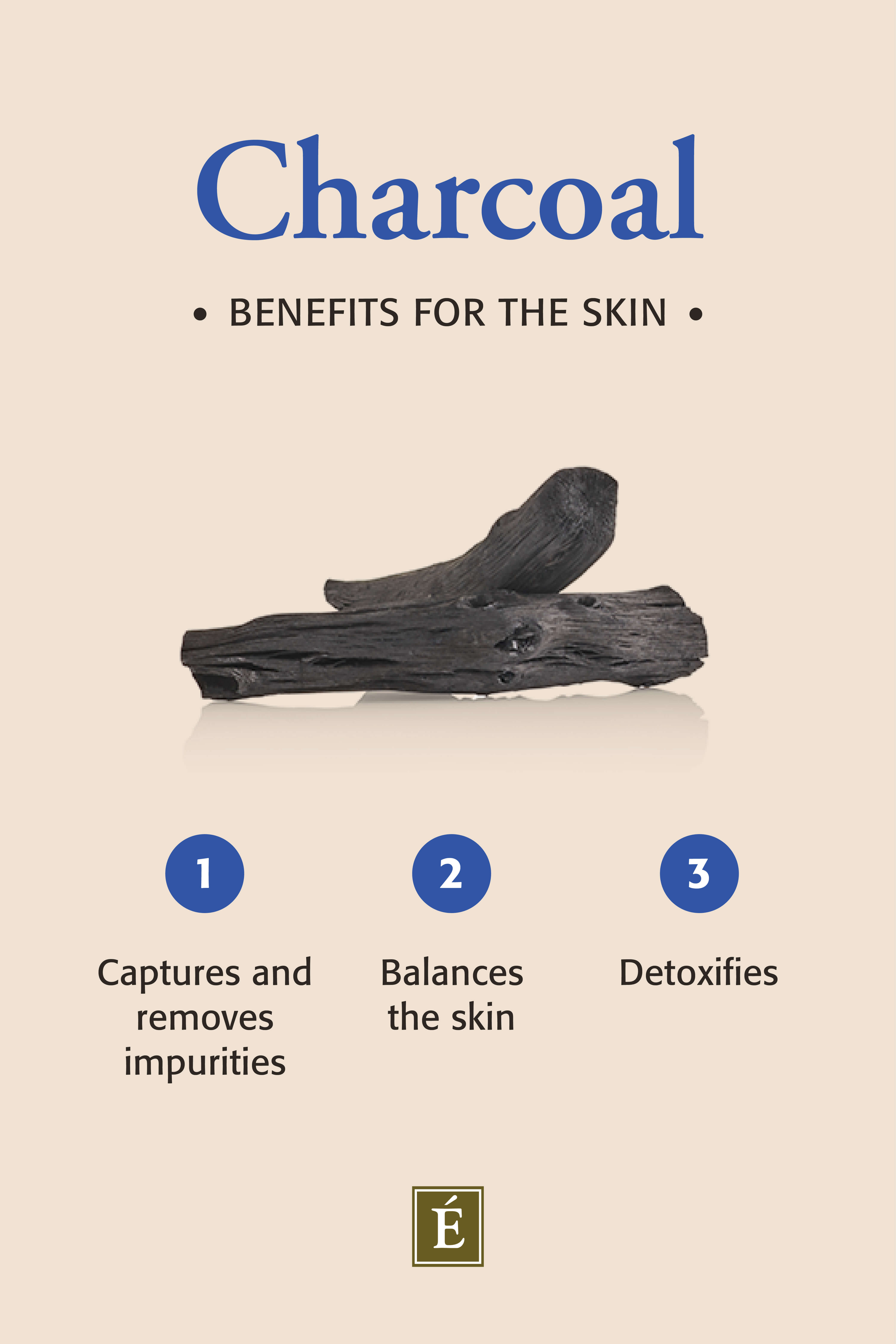
As natural skin care ingredients gain popularity, charcoal has become increasingly recognized for its ability to detoxify and purify the skin. But does charcoal live up to its reputation? You may be surprised to learn that this ingredient is very effective in reducing excess oil and impurities from your skin, which helps to eliminate buildup and tackle pore congestion — like blackheads. It also gives your skin a matte finish, taking away the unwanted shine that comes with oily skin, leaving it looking clear and refined. Let’s take a closer look at charcoal in skin care, examining its benefits and effectiveness.
Types Of Charcoal In Skin Care
Derived from natural sources like coconut shells, bamboo and oak, charcoal is renowned for its ability to detoxify and balance the skin naturally. In the context of skin care, we’re looking at two main types: activated charcoal and binchotan charcoal. Let’s explore the most common benefits and claims about charcoal’s effectiveness in more detail.
Activated Charcoal
Activated charcoal is derived from natural materials, such as coconut shells or oak wood, and is effective in reducing comedones, which can be partly attributed to its capacity to absorb excess oil and prevent pore clogging. Its porous texture means it’s often used for deep-cleaning the skin.
Binchotan Charcoal
Binchotan isn’t as well-known in Western skincare, but it’s a traditional Japanese form of charcoal, deriving from the high-quality Ubame oak wood. It also detoxifies and balances the look of the skin. It is acclaimed for its ability to adsorb — rather than absorb — impurities. This means that impurities on the skin are sucked up and stick to the charcoal’s surface. This adsorbing action makes activated charcoal a popular choice for refining and balancing oily or blemished-looking skin. Now that you know the types of charcoal to look for in your products, let’s take a look at its benefits.
What Are The Benefits Of Charcoal In Skin Care?
Charcoal is beneficial in treating pore congestion, a condition often marked by the accumulation of debris, dead skin cells, makeup and other impurities in the pores. You might have congested pores if you notice symptoms such as:
Excess oil
Enlarged pores
Blackheads
Whiteheads
A distressed or dull appearance
Rough, bumpy, uneven skin texture
Charcoal can help with:
Managing Sebum & Enlarged Pores To Remove Impurities
For those with oily or acne-prone skin, activated charcoal can help manage the overproduction of sebum, which is responsible for enlarging pores. Enlarged pores tend to get clogged with oil, dirt and dead skin cells, potentially leading to uneven skin texture. By drawing out oil and debris, charcoal may reduce the likelihood of pores becoming clogged.
Balancing The Skin Through Oil Regulation
By effectively eliminating debris and excess sebum (the culprits behind clogged pores), charcoal aids in creating a smoother and more refined-looking skin texture. This makes it particularly advantageous for those with oily or combination skin types.
Detoxification & Deep Cleansing
One of the central claims is that charcoal can act as a magnet for impurities, drawing them out of the skin’s pores. This is based on its highly porous structure, which gives it a large surface area for trapping impurities. This detoxifying property helps improve skin health by removing trapped dirt and reducing congestion by getting rid of bacteria and oil from the pores.
Exfoliation & Brightening
Activated charcoal is known for its exfoliating power due to its fine, gritty texture, which makes it ideal for use in facial and body scrubs. Regular exfoliation helps remove dead skin cells, making the skin appear more radiant and refreshed. This texture allows it to gently but effectively polish the skin’s surface, helping to remove dead skin cells and reveal a brighter, smoother-looking complexion.
Is Charcoal Good For Skin? Considerations & Recommendations
While the benefits of charcoal in skin care are numerous, it’s important to approach its use with certain considerations in mind, as different skin types and sensitivities can have varied responses to charcoal-based products.
Skin Type & Sensitivity
Not all skin is created equal; naturally, this means different skin types have distinct needs. Those with dry or sensitive skin might find charcoal products a little intense, as they could exacerbate dryness or cause irritation. But, this doesn’t mean they’re off limits. It’s important to do a patch test and to introduce any new product gradually to see how your skin reacts. Many find that with the right frequency and product formulation, charcoal can be a beneficial addition to their routine, regardless of the skin type.
Proper Usage & Frequency
Skin care is not one-size-fits-all and this is especially true for charcoal products. The key to harnessing the benefits of charcoal without overdoing it lies in understanding proper usage and frequency. This includes considering other products in your routine, how often you’re using charcoal-infused products and in what form it is used.
So, back to the burning question — is charcoal good for your skin? It appears that when used correctly and with consideration for individual skin types, charcoal can indeed benefit skin, from aiding in the reduction of imperfections to polishing the skin’s surface. Skin care success relies not on a singular ingredient, but on a thoughtful regimen tailored to your skin’s unique needs. If you’re considering introducing charcoal into your routine, do so with an informed approach. Visit a professional esthetician for an assessment and take the time to understand your skin’s requirements and how it responds. After all, the best skin care routine is one that makes you feel comfortable and confident in your skin.
Have you ever used charcoal on your skin? Let us know in the comments below. Visit an Eminence Organics Spa Partner and an esthetician can professionally diagnose your skin type and recommend products that will help it look and feel its best.
Ever wondered how to turn your daily shower into a spa-like retreat? The “Everything Shower” goes beyond a quick wash. This popular wellness TikTok trend has encouraged us to transform the regular shower into a luxurious, multi-step experience. But, in this era of environmental consciousness, we need a sustainable twist. Enter the “Eco-Friendly Everything Shower.” This approach combines the rejuvenating experience of the Everything Shower with eco-friendly practices like using natural, sustainable products or water conservation methods. In this guide, we will explore how to transform your shower routine into an indulgent yet environmentally responsible ritual.
What Is An Everything Shower?
This ritual is more than just cleansing; it’s a therapeutic spa session that you give yourself at home so that you can unwind and pamper yourself from head to toe — think a nourishing hair mask, facial cleansing and all-over exfoliation — to nurture every inch of your body. Keep in mind, the Everything Shower isn’t all about spending every minute under the flowing water or soaking in the tub. That would rack up quite a water bill and isn’t exactly eco-friendly. Instead, it’s about creating a personal spa experience right in the comfort of your home both in and out of the shower over the course of 1-2 hours.
Rather than rushing through a shower while on autopilot, we’re going to show you how to turn the ordinary shower into a relaxing wellness ritual. But before we dive into the steps, you may want to know how to turn the Everything Shower into an eco-friendly routine.
The Benefits of an Eco-Friendly Everything Shower
Incorporating eco-friendly practices into your Everything Shower is much easier than it sounds. You might consider using water-efficient showerheads, for example, which are designed to minimize the amount of water used. Or you could simply take shorter showers, turning off the water while shampooing. That way you significantly cut down on water consumption, which is not only good for the environment but can also reduce your water bills.
You might also want to think about the skin care products you purchase. One of the steps in this routine is exfoliating your body. If you’re using plastic loofahs to apply exfoliating washes, these are surprisingly pretty high on the list of waste culprits because they can’t be recycled. Luckily, the humble washcloth is a fantastic swap and, chances are, you’ve already got a stash of these at home. When they’ve lived their best life, you can either compost them if they’re 100% cotton or repurpose them into handy cleaning rags. Something else you could do is replace disposable plastic razors with metal safety razors. It’s a one-time purchase where you only need to replace the metal blades — recyclable and cheaper in the long run.
Step-by-Step Guide to an Eco-Friendly Everything Shower
Below, our Product Support Team has shared a detailed guide on conducting an environmentally-conscious Everything Shower.
Pre-shower Steps:
Set The Atmosphere
Before diving into the Everything Shower, transform your bathroom into a sanctuary by setting the right atmosphere. Lighting candles and incense and selecting your favorite music helps to create a serene environment. Choose relaxing music, like a gentle acoustic playlist, tranquil nature sounds or even your favorite mellow artist.
Cleanse Your Face
You’ve set the mood but, before you step into the shower, you need to cleanse your face thoroughly to remove the buildup of oil, dirt or grime on your skin. The Product Support Team recommends the Kombucha Microbiome Foaming Cleanser (suitable for all skin types) in tandem with the Herbal Eye Make-up Remover. Crafted with targeted micellar technology, this liquid-to-foam cleanser refreshes the look of the skin without over-stripping moisture. At the same time, the Herbal Eye Make-up Remover is formulated to gently remove makeup.
Do A Pre-shower Hair Mask
After cleansing your face, give your hair and scalp some attention by using a hair oil treatment, massaging a generous amount right into the roots to nourish and strengthen the scalp. Then, apply a deep-conditioning mask for the ends of your hair, which often need extra attention. Let both sit for around 15 to 20 minutes while you continue to prep for your shower.
Dry Brush
Before you jump into the shower, take a moment for dry brushing. It’s an incredible way to get your circulation going and give your skin a little wakeup call. Using a dry brush with a handle is perfect for those hard-to-reach areas like your back. You can read the full guide to dry brushing here.
Shower Steps:
Body Scrub
Now for the fun part! Once you’re in the shower, smooth and exfoliate the skin across your entire body by using a body scrub, something gentle like our Stone Crop Revitalizing Body Scrub. This resurfacing exfoliant contains hydrating stone crop as a key ingredient and lathers into a creamy foam to brighten the appearance of your skin.
Shampoo, Conditioner & Hair Mask
Give your hair the royal treatment by using your favorite shampoo and conditioner plus a second hair mask. These steps are like a spa experience for your hair, providing intensive moisture and repair.
Second Cleanse
One of our secret skin care strategies for healthy-looking skin is double cleansing. To provide your face with the ultimate nourishment, perform a second cleanse — this time in the shower using the Stone Crop Gel Wash. This cleanser is designed for all skin types and hydrates your complexion thanks to the inclusion of stone crop and shea butter ingredients.
Face Mask & Shave
Apply the Citrus & Kale Potent C+E Masque and leave it on for at least five minutes before rinsing off. This mask is formulated with citrus fruit oils (lemon and grapefruit) that tone and refresh the skin. It is a source of naturally occurring Vitamin C that helps protect the skin against the visible signs of aging. While the mask works its magic, use the time to perform the next step of shaving leg and body hair, if desired. During the masking or shaving step, consider switching off the water to save more; this simple action can make a big difference.
Body Wash
Finally, for the grand finale of your shower routine, it’s time for a thorough body cleanse. This step ensures you wash away any remaining shaving cream or any other residue.
Post-shower:
Body Oil Or Moisturizer
After your shower, it’s time to wrap yourself into a fluffy robe, secure your hair with a soft towel, then reach for a hydrating body product. Our Apricot Body Oil is an ultra-hydrating product that moisturizes using ingredients pressed from grape seed and jojoba. You can also use the Strawberry Rhubarb Hyaluronic Body Lotion to smooth and brighten the skin. These products can be used on their own or layered together.
Hair Serum And Leave-in Conditioner
Next, turn your attention to your hair care and apply a nourishing hair serum to your scalp. Follow this up by working a leave-in conditioner through the ends of your hair. This step is essential for maintaining healthy, luscious locks after your shower.
Hydrating Serum For The Face
Serums will help give your skin that extra boost of moisture. You’ll love our Strawberry Rhubarb Hyaluronic Serum that deeply hydrates for a smoother-looking complexion. This formula also contains a unique Botanical Hyaluronic Acid Complex that deeply hydrates and preserves moisture in the skin.
Facial Moisturizer
Finally, it’s time to lavish your skin with a good facial moisturizer. The Arctic Berry Peptide Radiance Cream helps your skin appear luminous and hydrated thanks to its exclusive Peptide Illuminating Complex.
Visit your nearest Eminence Organics Spa Partner to make sure you have everything you need for the ultimate Eco-friendly Everything Shower.
“TikTok told me to” seems to be enough of an excuse to try new beauty trends these days and we’re here for it. The platform has taught us about skin cycling, the ancient art of gua sha, the pros and cons of slugging and how to look like a glazed donut (in a good way), among many other skin care hacks and beauty shortcuts. And while these trends are not all ideal for all skin types or beauty goals, many of them are full of benefits. With over 4.2 million results on TikTok (and counting), skin flooding is one of the newest skin care trends to flood our feeds. Let’s see what it’s all about.
Skin flooding involves layering moisturizing products in a particular order to provide deeper, longer-lasting hydration. The purpose of the exercise is to quench dehydrated skin, with the help of the star of the show: hyaluronic acid. Essentially we’re loading up the skin with a combination of humectants (aka substances that attract water) and then doubling down on moisturizing serums. The last step is locking everything in, all with the goal of achieving hydrated, plump and glowy skin. This ritual can be done before bed to let it really sink in or in the morning to prep your skin for the day. It involves four simple steps: gently cleansing your skin, spritzing on a mist, applying a serum (or two) and then locking it all in with moisturizer.
A Guide To Skin Flooding
Step 1: A Gentle Cleanse
For best results, you’ll want to start with a gentle face wash that cleanses your skin without stripping it of natural oils. This will leave a perfect skin canvas, ready to receive the onslaught of moisture coming its way. Some good options for a gentle cleanse include our Stone Crop Gel Wash which cleans away impurities without drying out the skin. As well as the hydrating and nourishing stone crop plant, it contains chamomile, which revitalizes, calms and balances the appearance of skin, prepping it for the tsunami of moisture coming for it. Another great option for this step is the Coconut Milk Cleanser. This gentle cream cleanser uses rich coconut milk, coconut oil and calendula oil to nurture skin for a dewy, fresh finish.
Our Lemon Grass Cleanser is another gentle option. The olive oil, sunflower and flax seed in this mild formula gently remove impurities from skin while organic and Biodynamic® herbal ingredients help calm and soothe dry skin.
Step 2: Prep The Skin With Moisture
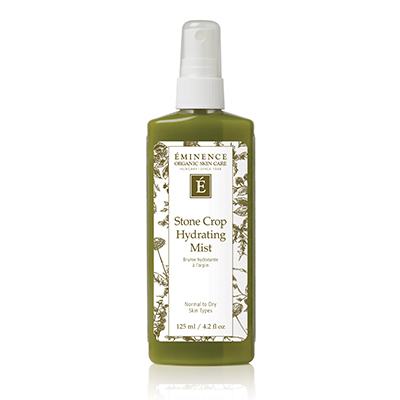
Applying skin care products like moisturizers and serums on damp skin is always a good idea. According to Byrdie: “Moisturizers absorb water more effectively with a water source to draw from, so damp skin is more effective in this step.” Keep the skin moist after cleansing or double down by spritzing the face with a face mist, toner or essence. A great option is the Stone Crop Hydrating Mist, which is full of nourishing ingredients, including that stone crop again. Another option we love is the Birch Water Purifying Essence.
Product Picks
Mild cleanser for all skin types
Hydrating and soothing toner
Step 3: Double Up On Serum
Now that the skin is ready for the main event, let’s open the floodgates with not one, but two serums! The first one should be heavy on the hyaluronic acid, aka the molecule that attracts and holds water. This moisture magnet is the molecule around which skin flooding was built.
The Strawberry Rhubarb Hyaluronic Serum is ultra hydrating thanks to our unique Botanical Hyaluronic Acid Complex that preserves and replenishes moisture in the skin. It also contains other hydrating ingredients like cica and marshmallow root. A thin layer on damp skin will get the flood started. A second layer works too if you want to be extra. More is more when it comes to this routine.
Layering another serum on top of the hyaluronic layer(s) is the next step in flooding the skin with moisture. We recommend the potent hydration found in our Stone Crop Serum. If hyaluronic acid is the star of the skin flooding trend, stone crop is a great supporting character for its intense hydrating properties.
Step 4: Lock It In With More Moisture
Once your serums have absorbed, it’s time to apply a moisturizer to really lock in the hydration. There are a few options that will work for this step. If you’re flooding your skin during the day and hoping for a glass or dolphin skin effect, then your final step can include a moisturizer with SPF. The Lilikoi Daily Defense Moisturizer SPF 40 adds hydration while it protects. Another really moisturizing SPF is our Radiant Protection SPF Fluid. This all-mineral sunscreen goes on smooth and leaves skin with a dewy look and feel.
If you’re more into skin flooding as a nighttime ritual, you have a few options. To stay on the hyaluronic acid train, finish up with our Strawberry Rhubarb Hyaluronic Hydrator. This lightweight gel-cream hydrates and locks in moisture. Our customers love it too. Self-proclaimed skin care junkie, Katie, left a review on our website calling it: “The best skin care product in the universe,” and continuing, “I have tried every product on the market. NOTHING compares to this! … The hydration and glow it gives is equivalent to what you normally need 4 products to do … It’s my absolute favorite step. The glow it gives daily makes you look fresh out of a facial!”
The Marine Flower Peptide Night Cream is a richer option that adds yet another heavy-handed dose of moisture and locks in the benefits of all the products preceding it.
If this trend is reminding you a bit of slugging, you’re in the same wheelhouse. Layering up products and then sealing them in is the basis for both trends. So as a last step, instead of a traditional moisturizer, why not go with the Kombucha Microbiome Leave-On Masque. Melt it in your hands, and evenly roll it over the face. Containing shea butter and beeswax, the mask will act as a coating to lock in hydration and prevent moisture evaporation from the skin. You will wake up with a glow!
Product Picks
Replenishing and hydrating serum
Is Skin Flooding For Everyone?
Like with many viral beauty trends, skin flooding has a target audience. While it’s not irritating and doesn’t involve active ingredients — making it safe for most skin types — it might not be ideal for sensitive skin because it increases product penetration and might just be A LOT. Give it a try but go slow at first. Acne-prone or oily skin might not respond as well as drier skin types because layering multiple moisturizing products could lead to breakouts. That said, the genesis of this idea — applying products to clean, damp skin for maximum absorption — is a takeaway that we can all get behind.
Are you ready to give this skin trend a try but not sure where to start? Visit your local Eminence Organics Spa Partner to get started.
Is the skin on your face and body feeling itchy? This could be an annoying and uncomfortable side effect of winter dryness or something else entirely. Read on to uncover the root cause of your issues and learn about skin care solutions to ease the discomfort you may feel from dry, itchy skin.
What Causes Itchy Skin?
Figuring out the cause of your itchy skin can be a bit of a scavenger hunt since there are all sorts of possible culprits. Some of these issues are environmental — like seasonal changes (especially in winter), bug bites or irritants like poison ivy — while others are allergic reactions to things like foods or animals. Others still can be blamed on skin conditions like dermatitis, eczema and psoriasis.
Weather
Itchy, dry skin is very commonly caused by weather and environment. In the winter, when the air gets dry and cold, we often exacerbate things by turning up the heat and taking long, hot baths. This combination can do a number on the skin. And it’s not only in the winter. Any seasonal change can disrupt the epidermis and lead to inflammation. A vacation to the arid desert can suddenly rob the skin of moisture, as can hot sun (and sunburns) or other abrupt changes in air temperature and moisture levels.
Allergies
Another common issue that can show up on the skin is an allergic reaction. Certain foods and medications, pet dander and fabrics could send your skin into the red zone. It may feel itchy and dry and can also develop hives, rashes or a burning feeling. Other symptoms like swelling of the face or airways can be dangerous and you should consult with your doctor if you’re concerned.
Age
Wisdom comes with age. Unfortunately, so does dry skin. Over time, the skin’s stores of hyaluronic acid diminish as a result of the body’s natural aging processes. This naturally-occurring substance, which attracts and retains moisture, is crucial for keeping skin soft and supple. Without lipids or sebum, dry skin cannot stay lubricated, leading to the skin barrier becoming compromised. Since skin also becomes thinner with age, this can be a recipe for disaster.
Other Lifestyle Factors
Skin that feels or looks dry can also be caused by lifestyle factors. Dehydration can happen when you’re not consuming enough fluids, and this can show up on your face. Everyone is susceptible to dehydrated skin because, unlike dry skin (which is lacking in oil), dehydrated skin (which is lacking in water) is caused by external factors like what you eat and drink.
Not enough liquid in your diet can lead to dehydrated skin. This can show up as dark circles under the eyes, flaky patches, dull skin and sensitivity. An unhealthy diet can also lead to dehydrated skin. Fresh fruits and vegetables, plus healthy fats like wild-caught salmon, nuts, avocado, olive oil, eggs and meat from grass-fed animals, can make a big difference. These foods include essential fatty acids and mono and polyunsaturated fats that contribute to both your skin and your overall health.
Skin Conditions
Some common conditions that cause the skin to feel dry and itchy include dermatitis, psoriasis and eczema. Dermatitis can exist in many forms and can show up on the skin as dryness, itching, rashes and sometimes swelling. Causes include environmental triggers, stress, hormonal changes and irritation from things like detergents and certain ingredients in beauty products, contact with irritating plants like poison oak, poison ivy and certain grasses.
Eczema is a chronic skin disorder that includes itchy, scaly rashes. Causes aren’t easy to pin down (many blame irritants that can cause the immune system to overreact). Triggers can include stress, food sensitivities, temperature changes and contact with certain chemicals or preservatives.
Psoriasis is an autoimmune disease that causes skin discoloration and irritation in the form of scaly, dry and itchy skin on the hands, feet, neck, scalp and face, among other areas of the body.
If you’re concerned that your dry, itchy skin is more than just a reaction to the weather or inherent factors, relying solely on skin care or skin care products may not be the solution. We recommend seeing your doctor for diagnosis and products to help treat these conditions.
Products To Treat Dry, Itchy Skin
If your dry skin is not due to a medical condition, it can still cause discomfort as well as further issues. Dry skin can become irritated, especially when it’s accompanied by itching. Skin on the face and body can become raw and red, and can even crack. This is why it’s important to treat dry skin and to make sure it’s done with the right products.
Body
Since harsh product ingredients trigger dry and itchy skin, it’s important to be aware of what you’re using on and near your body. From laundry detergents to body washes, lotions, facial cleansers and treatments, there are lots of opportunities to make matters worse. At Eminence Organic Skin Care, we’ve always been committed to creating products that contain no harsh chemicals.
When it comes to the body, removing dry skin with a scrub or exfoliant is the first step. Once the skin is buffed and the top layer removed, it’s much easier for the moisturizing and hydrating products to get absorbed. Our Stone Crop Revitalizing Body Scrub is a great option for full body exfoliation. It uses both natural cane sugar granules and mineral-rich sea salt to exfoliate the skin, plus stone crop for moisture and antioxidants from lemon peel and green tea.
Our Coconut Sugar Scrub is another product that uses sugar cane granules to exfoliate and buff the top layers of skin, while coconut oil deeply hydrates and replenishes.
Once the dead skin has been buffed away, the skin on the body is ready for moisture. The Stone Crop Body Lotion is formulated with stone crop, lemon and bioflavonoids to enrich, support and moisturize the skin’s appearance.
To combat itchy skin at night, our Monoi Age Corrective Night Body Cream does the trick. This ultra-rich body lotion locks in moisture to reveal firm, velvety looking skin by morning. Lightly fragranced with monoi, this body cream helps alleviate itchiness due to dry skin.
For something a little more lightweight that is still heavy on the moisture, try our Strawberry Rhubarb Hyaluronic Body Lotion. It contains aloe, panthenol and hyaluronic acid to deeply hydrate, preserve moisture in the skin and protect the skin’s moisture barrier. All of this, plus a delicious scent and creamy feel.
And finally, if you want to leave it to the professionals and get a good baseline moisture reboot that you can extend at home, a body wrap is a great option. The Mango Enzyme Body Wrap contains active enzymes and vitamins that infuse the skin with hydration and gently exfoliate to leave a refreshed look. You’ll leave the spa with skin that feels smooth and hydrated.
Face
As mentioned, dry, itchy skin on the face can be traced back to a number of causes, but if you’re looking to add moisture and bring the softness, bounce and glow back to your dry complexion, we have some suggestions.
Before nourishing the skin with a moisturizer, an exfoliating treatment can help remove the top layer of dry, itchy skin and make it easier for your products to absorb. Avoid exfoliating if the skin is irritated or feeling sensitive, but if you’re just a little tight and rough, a gentle exfoliator is a good first step. We love the Stone Crop Oxygenating Fizzofoliant for this. With its light fizzing action, this revitalizing formula gently invigorates the skin and removes impurities to reveal a beautiful, brighter-looking complexion that’s ready for a dose of hydration.
Another treatment that will help get the skin on your face ready to receive the moisture is our Calm Skin Chamomile Exfoliating Peel. It contains chamomile, to balance the look of skin, and lactic acid, which exfoliates and offers intense hydration. Plus, it’s gentle enough to use up to three times a week.
Oil-based ointments, creams and lotions that are rich in essential fatty acids can compensate for dry skin’s lack of oil and lipids. They lubricate the skin’s surface as well as fortify the skin’s moisture barrier to replenish and seal in much-needed moisture. “When choosing moisturizer for dry skin, aim for a heavier formula and look for ingredients like hyaluronic acid … ” explains Dr. Hooman Khorasani, a quadruple board-certified dermatologic and cosmetic surgeon in New York City. “Other ingredients to look for include shea butter and lactic acid, which provide hydration and exfoliation.”
Our Coconut Age Corrective Moisturizer includes deeply moisturizing coconut oil and shea butter. Shea butter, in particular, is an excellent emollient for the skin, as it’s high in triglycerides and fatty acids which restore and retain moisture.
Some other deeply hydrating options include the Strawberry Rhubarb Hyaluronic Hydrator. It contains powerful ingredients like panthenol, which reinforces skin hydration and prevents moisture loss by protecting the skin moisture barrier and our Botanical Hyaluronic Acid Complex, a unique blend of multi-weight hyaluronic acid and marshmallow root that deeply hydrates and preserves moisture in the skin. The Firm Skin Acai Moisturizer is a nourishing option for aging skin. It contains deeply hydrating shea butter and seabuckthorn berry oil for maximum moisture.
If you’re looking to target the neck and face overnight, use the Monoi Age Corrective Night Cream for Face and Neck as it reduces the look of fine lines and wrinkles, so you’ll wake up with a more rejuvenated appearance. Customer, Dana C., is a fan, saying in a review on our website: “This cream … is my favorite. First, the texture is so soft and smooth, thick but not too thick, it smells heavenly, goes on and absorbs perfectly and moisturizes so well, my skin is still soft in the morning. I’m almost 60, was a sun worshiper in my youth and have never found a moisturizer that worked well until this one.”
Facial moisturizer should be applied both morning and night. Applying it on damp skin (after a spritz of a mist or toner or just out of the shower) can help the moisture absorb more efficiently.
Are you looking to add some hydration to your skin and not sure which products will work best for your unique complexion? Visit your local Eminence Organics Spa Partner to find out how.
Yoga is celebrated for its stress-busting and strength-building abilities. But did you know that it can also benefit your complexion? “Yoga glow” is a thing and, if you practice regularly, you’ve probably noticed the effects of exercise on your skin. Dr. Genieve Burley tells City Fit: “Moving your body is medicine. It allows for detoxification by flushing all of the organs, it increases respiration, it lubricates joints and strengthens muscles. Breathing and moving in yoga can help to balance hormones and move waste stagnating in the intestines.” All of this leads to healthier, happier skin.
Yoga and exercise pair beautifully with self care rituals that extend to skin care. Combining different self-care practices helps you boost your wellness by creating a holistic routine. A face mask or quick morning skin care routine encourages you to spend some quiet time focusing on yourself, much like yoga. Here is a closer look at the power of yoga for glowing skin, on and off the mat, as well as some complimentary skin care rituals you can include to feel renewed.
On The Mat: 5 Yoga Poses For Healthy Skin
Yoga benefits for the skin start on the mat. Dendy Engelman, MDtells SELF: “Yoga causes vasodilation (enlargement of the blood vessels), which leads to increased blood flow to the skin. This allows for more oxygen and nutrients to come to the skin’s surface, creating a cutaneous flushing or glow. Want that coveted yoga glow for yourself? Whether at home or in the studio, here are five yoga poses to inspire your practice and give you a glowing complexion.
Tadasana (Mountain Pose)
With its focus on deep, rhythmic breathing, this simple standing pose helps alleviate stress and improve oxygen flow. According to NDTV: “Getting in more oxygen through controlled breathing helps the body to release harmful toxins and keep the skin healthy and glowing.” By enhancing blood circulation, tadasana improves lymphatic drainage which brightens the complexion and reduces puffiness around the eye area.
How To Do Mountain Pose:
Stand comfortably with your big toes touching and heels slightly apart
Press the soles of your feet into the floor and engage your thighs, drawing them inward and upward
Lengthen your tailbone toward the floor and draw in your belly
Keeping your chin parallel to the mat, draw your shoulders back and down
Soften your eyes and throat and let your arms hang beside your torso
Optional: Raise your hands into a prayer position in front of your chest
Close your eyes
Inhale and exhale deeply for 5 breaths
Uttanasana (Standing Forward Fold)
Inversions are one of the best exercises to bring blood flow to the face and increase oxygen supply to skin cells. If you don’t have an opportunity for an entire yoga practice, take at least five minutes and turn upside down — it’s anti-gravity and gives the skin a healthy-looking glow.
How To Do A Standing Forward Fold:
Stand in Mountain Pose with your hands resting on your hips
Slowly exhale and bend forward from your hips (not your waist)
Bend your knees as much as you need to relieve tension from your lower back
Allow your head to hang heavy
If possible, bring your palms to rest on the floor or against the back of your ankles; if not, cross your arms in front of you, holding your elbows
With each inhalation, slightly lift and lengthen your torso; be mindful to avoid rounding your back
Inhale and exhale deeply for 5 breaths
Parivrtta Sukhasana (Simple Seated Twist)
A healthy gut is essential for healthy skin. Dendy Engelman tells SELF: “Toxins not cleared from the body often get deposited in adipose fat tissue and in the skin, which can lead to acne, discoloration and accelerated aging.” Parivrtta sukhasana is a gentle, seated twist that assists in digestion and toxin removal by increasing circulation and energy to the stomach, small intestine, large intestine and liver.
How To Do A Simple Seated Twist:
Sit on the floor in a cross-legged position (if your hips are tight, you may need to sit on a block or pillow)
Align your head, neck and spine and lengthen your tailbone toward the floor
Place your right hand flat on the floor behind you
Place your left hand on the outside of your right knee
As you exhale, gently twist to the right and gaze over your right shoulder
On each inhale, lengthen your spine; on each exhale, twist more deeply
Practice this for 5 breaths, then switch sides
Matsyasana (Fish Pose)
Another yoga pose for better skin is matsyasana, or fish pose. By gently stretching the throat muscles, fish pose helps flush your thyroid and parathyroid glands, thereby keeping hormones in check. Additionally, matsyasana has great anti-aging benefits. The Social says: “This pose gives a good stretch to the muscles of the face and throat which makes it one of the beneficial exercises to reduce the appearance of a double chin.”
How to do Fish Pose:
Lie on your back with your knees bent and your feet flat on the floor
Lift your hips and tuck your hands beneath your buttocks, palms down
Draw your forearms and elbows in tight towards your body
On your inhale, press your forearms and elbows into the floor and gently arch your back to lift your torso up and away from the floor
Elongate your spine by firming your shoulder blades and lifting your chest higher
Gently tilt your head backward, letting the crown of your head rest on the floor
Keep your legs engaged
Inhale and exhale for 5 breaths
Bhujangasana (Cobra)
Stress is one of the worst offenders for skin woes. Genieve tells us: “Emotional stress takes a huge toll on your hormones and your skin. When you live in harmony with work, friends and commitments, your stress is reduced and your skin can glow.” Cobra pose helps reduce tension, stress and fatigue by opening your lungs and energizing your body. This pose, and others in yoga, help your wellness by lowering cortisol (the “stress hormone”) and reducing oxidative stress. An added benefit? This also minimizes and prevents the visible signs of skin aging brought on by dehydration and loss of elasticity.
How to do Cobra Pose:
Lie on your belly
Stretch your legs out behind you with your knees touching and the tops of your feet resting on the floor
Spread your hands on the floor beneath your shoulders and hug your elbows into your sides
Press your feet and thighs firmly into the floor
On your inhale, gently straighten your arms to push your chest forward and up off the floor. Arms may still hold a bend if you have reduced flexibility.
Slowly roll your shoulders back and away from your ears to elongate your neck
Hold for 5 breaths
Exercise is crucial for a healthy body, healthy mind and glowing skin. There are a few more ways that you can reach these goals for optimal results.
Off The Mat: Healthy Body, Healthy Skin
The benefits of yoga for skin are just one aspect of overall wellness. Yoga Teacher Becky Stefani appreciates the value of yoga but also maintains a nourishing skin care routine as an essential part of her approach to health and wellbeing. You can watch her skin care routine below.
In addition to enjoying a yoga session, our Lead Skin Care Trainer, Natalie Pergar, believes a scalp massage or a holistic skin care routine also offers relaxation benefits. Watch this In The Mix video to learn about the benefits of different wellness activities.
Tip 1: Embrace Yoga Principles
Yoga isn’t just about poses. It has principles that you can bring into your daily life for benefits for your skin and wellbeing. One of yoga’s core principles is the five niyamas (observances) which are tools for cultivating happiness, humility, self-discipline and inner strength. The niyamas are the second limb of the “Eight Limbs of Yoga.” You can find ways to practice them in everyday situations in life.
The first niyama, Shaucha, means “purification” or “cleanliness.” According to Yoga International, shaucha offers techniques for cleansing the body and mind, creates the foundation for bodily health and acts as the pathway to deeper states of meditation.
The second is Samtosha (contentment). This refers to looking to yourself for contentment and happiness rather than yearning for the things you don’t have and coveting the possessions of others. You can practice this through gratitude and by not blaming yourself for circumstances beyond your control.
Have you ever tried to break a bad habit? Or free yourself of particular thoughts? The third principle is Tapas (self-discipline), a yogic practice of intense self-discipline and will power. This principle involves disrupting habitual thought and behavioral patterns to better your life and breakthrough discomfort. For example, wanting to adopt dietary habits that support your skin and body’s health. Genieve says: “We have layers of the epidermis in the gut and in the skin, so what we put in the gut will reflect on your skin.” A diet rich in plant-based foods and antioxidants can help to minimize wear and tear on your skin caused by environmental stressors like the sun, seasonal changes and pollution.
The fourth principle is Svadhyaya, the study of the self, and the practice of self-reflection and self-study. Unlike the Western understanding of self-study, which carries the concept of psychoanalysis, yogis have a different interpretation in mind. As Yoga International states: “Like the waves of the sea, it is said that individual awareness is never separate from the infinite consciousness in which it has its being. Each mind is a wave in a vast expanse of consciousness. Individual minds have distinctive qualities, preferences and colorings, but they are not entirely autonomous. The aim of svadhyaya is to bring the experience of that immense Consciousness, the Self, to awareness.”
And lastly, Ishvara Pranidhana is the 5th principle, often translated as “surrendering to God.” Regardless of your beliefs, think of this as either devoting one’s work to a higher power or ridding oneself of ego-focused desires. The Niyamas give ethical guidelines that lead to inner peace, which reduces stress and affects the skin positively for a healthy, clear complexion.
Tip 2: Wind Down With A Skin Care Mask
Regular facial masking will keep your skin soft and supple. Plus, masks treat any type of skin issue you may have: aging skin, oily skin, dehydrated skin, problem skin, uneven skin — never fear, there’s a formula for it. With so many options out there, it might seem overwhelming to choose the right face mask. That’s why we’ve collated a face mask guide to narrow down the options for your specific complexion.
We suggest including a face mask in your self-care routine once or twice a week, perhaps while meditating or during a gentle yoga session. Masking should occur after cleansing and toning. These steps ensure you have clean skin before locking in the nutrients from a mask.
When masking, it’s also fun to play around with mixologies that layer and blend a variety of treatments. Our face mask guide provides recommendations on how to mix and match your masks depending on your concerns. So, unroll your mat, get into the lotus position and let your skin absorb the benefits of a mask.
Tip 3: Adopt Meditation
Meditation is a part of yoga that teaches you mental relaxation and concentration. The goal is to break free from digressive thinking so that we are not held hostage to our emotions and merely react. Neuroscientist and Waking Up meditation founder Sam Harris breaks down the practice to these beginner meditation instructions:
Sit comfortably, with your spine erect, either in a chair or cross-legged on a cushion.
Close your eyes, take a few deep breaths and feel the points of contact between your body and the chair or floor. Notice the sensations associated with sitting — feelings of pressure, warmth, tingling, vibration, etc.
Gradually become aware of the process of breathing. Pay attention to wherever you feel the breath most clearly — either at the nostrils, or in the rising and falling your abdomen.
Allow your attention to rest in the mere sensation of breathing. (There is no need to control your breath. Just let it come and go naturally.)
Every time your mind wanders in thought, gently return it to the sensation of breathing.
As you focus on the breath, you will notice that other perceptions and sensations continue to appear: sounds, feelings in the body, emotions, etc. Simply notice these phenomena as they emerge in the field of awareness, and then return to the sensation of breathing.
The moment you observe that you have been lost in thought, notice the present thought itself as an object of consciousness. Then return your attention to the breath — or to whatever sounds or sensations arise in the next moment.
Continue in this way until you can merely witness all objects of consciousness such as sights, sounds, sensations, emotions and even thoughts themselves as they arise and pass away.
Don’t fall.
Meditating for just a few minutes a day can relieve stress in our daily lives, which in turn can help our skin. If we look at severe skin issues and cases of psoriasis, one study tested the hypothesis that stress reduction methods based on mindfulness meditation can positively influence the rate at which psoriasis clears in patients. The results supported this hypothesis. Scholarly articles also state: “As part of the total care of the psoriasis patient, physicians are urged to augment traditional psoriasis treatment regimens with stress-reduction strategies, such as biofeedback, meditation and self help approaches.”
Tip 4: Skin Rejuvenating Product Ideas
Equally important to your health is treating your skin from the outside in. Genieve tells us: “We need products that are packed with nutrients and made with natural ingredients, like plants. Our skin recognizes elements from nature, not synthetics.” Natural and organic products filled with vitamins, minerals and antioxidant-rich ingredients are extremely beneficial for a healthy and youthful-looking complexion.
Yoga Journal’s beauty experts recommend our Firm Skin Acai Exfoliating Peel, Facial Recovery Oil and Rosehip & Lemongrass Lip Balm to keep your skin looking healthy and youthful. Packed with antioxidants sourced from acai berry, grapefruit and goji, the Firm Skin Acai Exfoliating Peel leaves your skin looking tighter and firmer. To feel calmer and more balanced, follow up with the hydrating and revitalizing Facial Recovery Oil, formulated with clary sage oil and ylang ylang. Finally, complete your mini stress-relieving skin care routine with the Rosehip & Lemongrass Lip Balm, an all-natural SPF 15 formula that defends dry lips.
Do you have any favorite mask mixologies or products to enhance your wellness and reveal your healthiest skin? We’d love to hear them! Share them with us in the comments below and join the conversation on social media.
This article was originally written in August 2018.