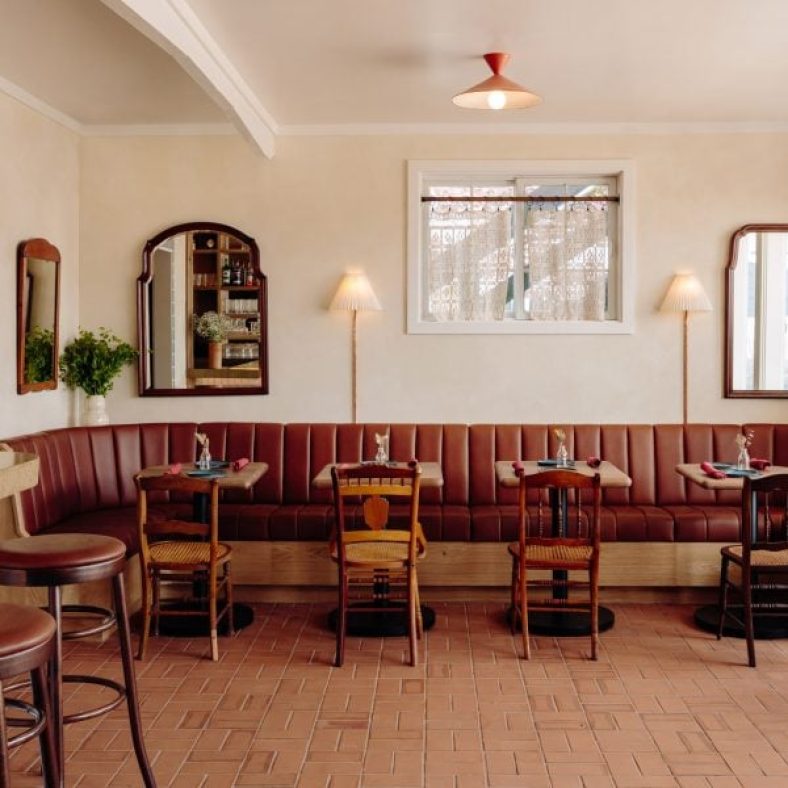
Brooklyn-based Home Studios has renovated a bar and restaurant in Montauk, using materials like white-washed plaster, glazed tiles and reclaimed timber for a “deliberately minimal approach”.
Formerly known as Bird on the Roof, the establishment reopened as The Bird earlier this year with refreshed interiors by Home Studios.
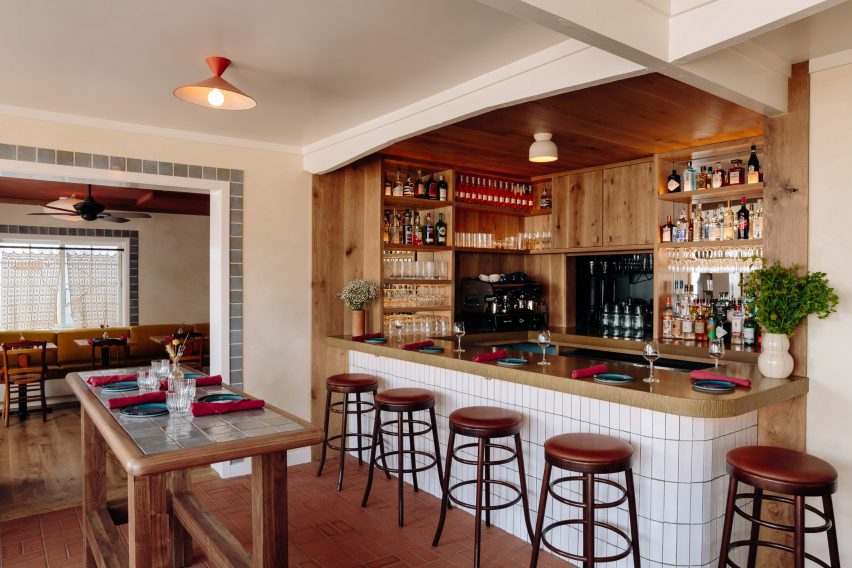
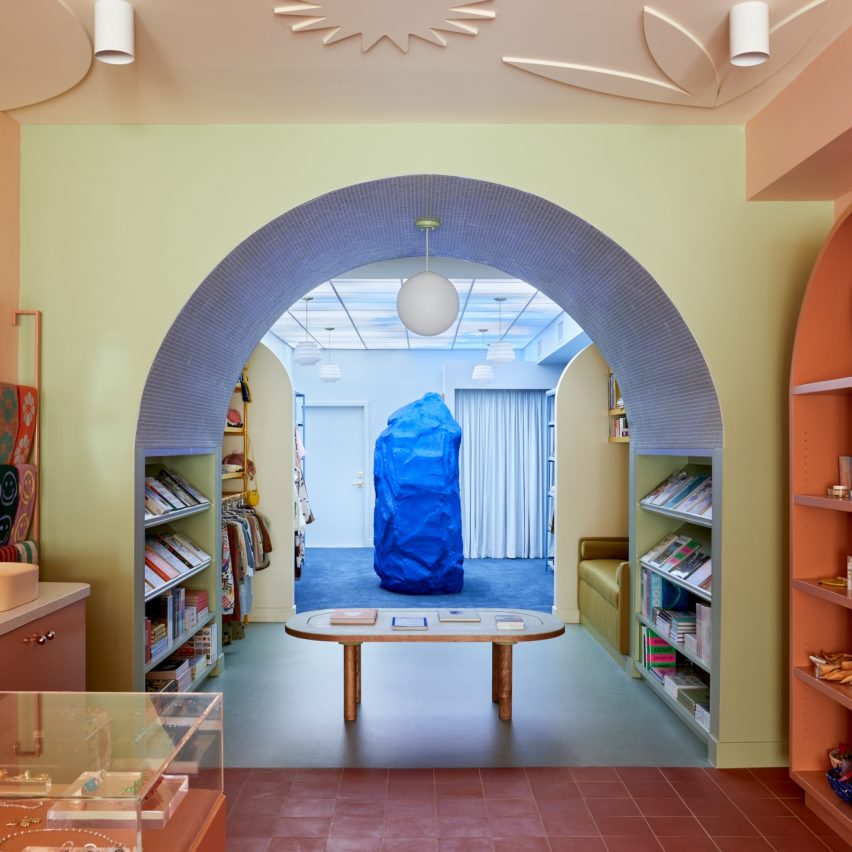
The bar and restaurant areas at The Bird are connected through a cased opening
The space is run by the team behind the Daunt’s Albatross motel, located across the street, which Home Studios overhauled the previous year. The menu was created by chef Marcos Martinez Perez and a beverage programme by Sophia Depasquale.
“[The clients’] intent was to celebrate the legacy of a 40-year-old adored Montauk establishment, imbuing a familial sense of warmth and hospitality threaded throughout the experience and the design,” said the team.
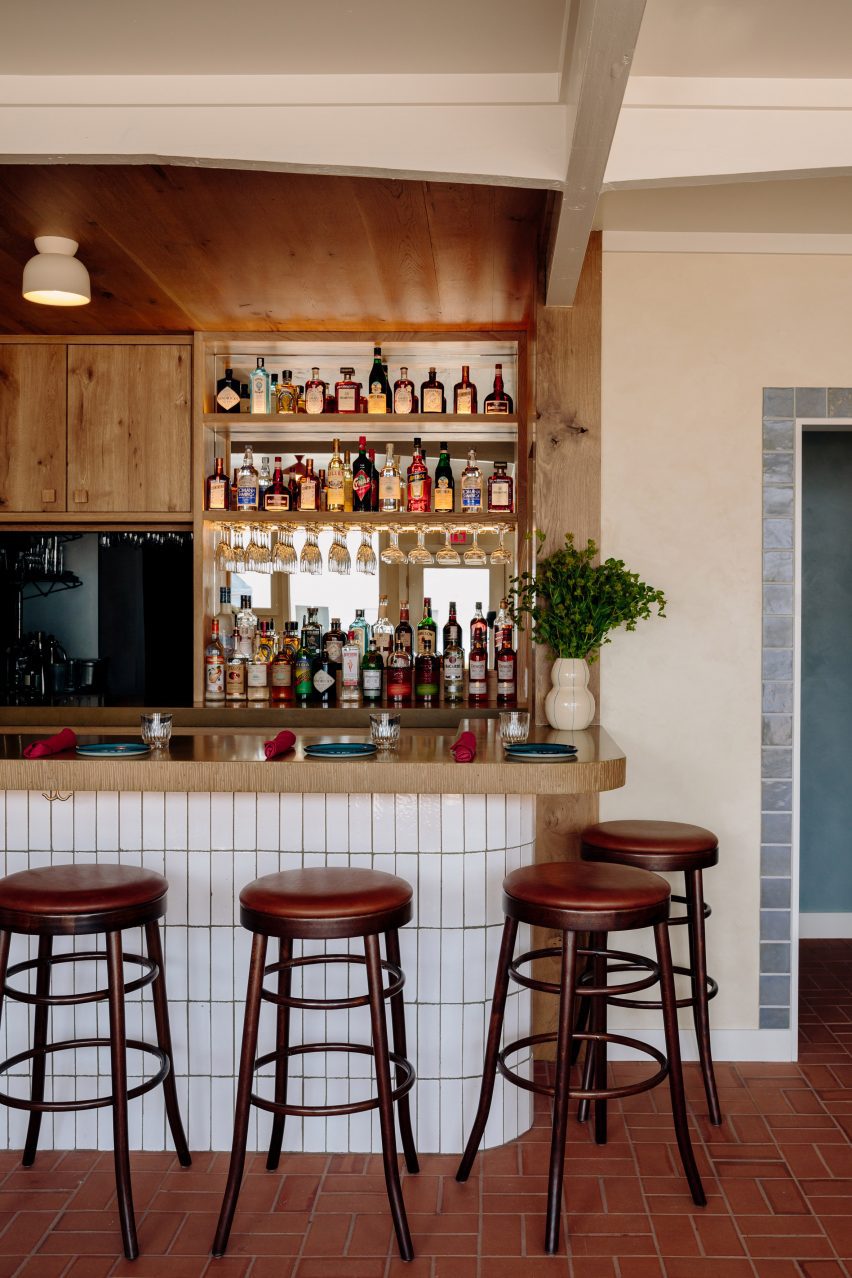
Reclaimed timber clads the back bar, while white tiles cover the front of the counter
“The aim of the space is to capture the spirit of old Montauk, providing a welcoming home-away-from-home for both visitors and locals to gather at any hour and any season.”
Located in the town centre, the A-frame building that houses the restaurant has a white bird painted on the side of its roof – hence the original name.
Red brick flooring is laid in a basketweave bond in the bar
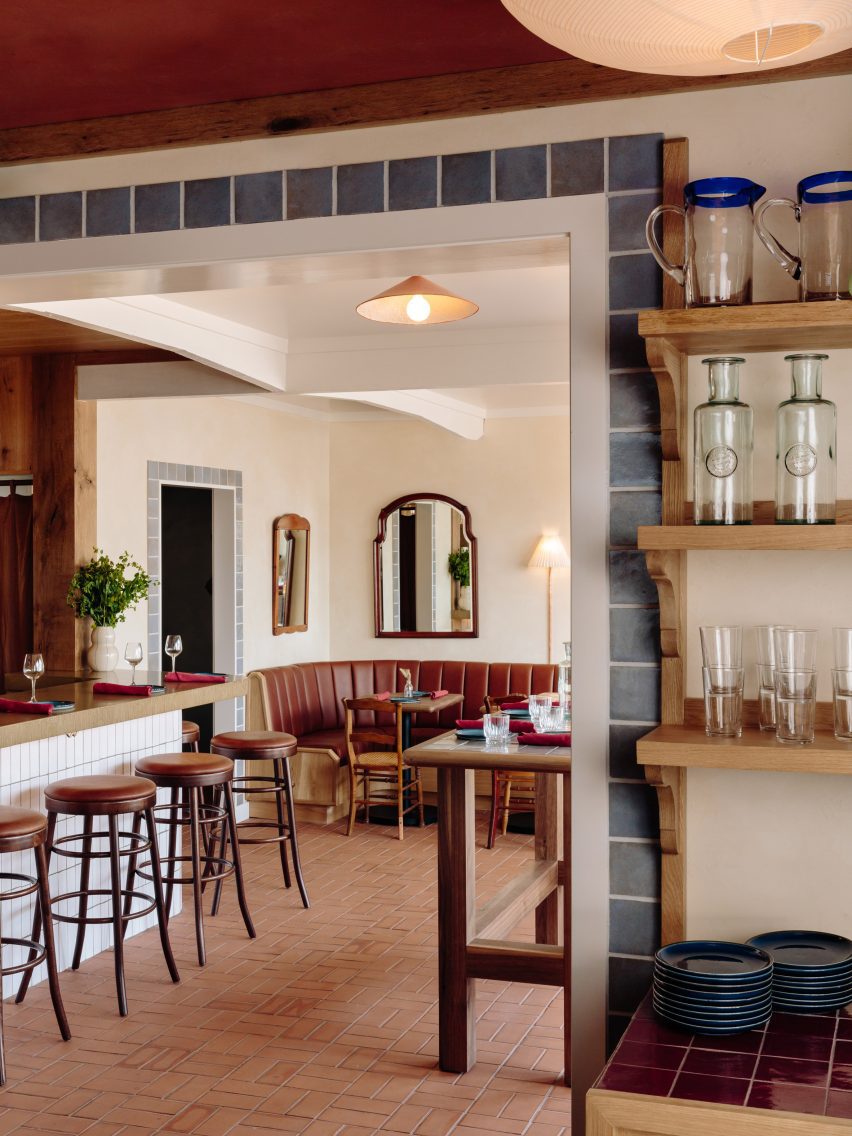
The interior is divided in two, with the bar area on one side and the restaurant on the other, connected through a cased opening.
A muted colour palette across the spaces echoes that used at Daunt’s Albatross and is based on the natural coastal surroundings.
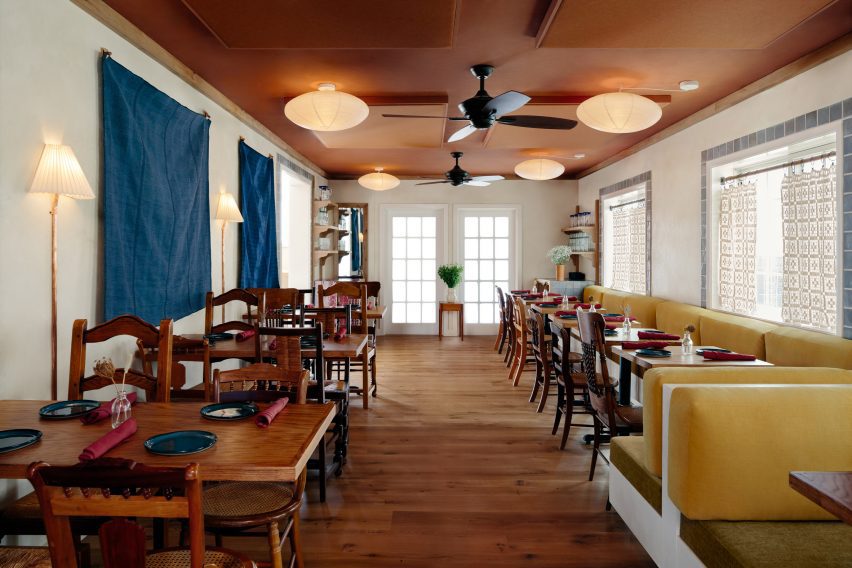
A similar muted palette continues into the dining room
Home Studios describes it as “a spectrum of whites, warm grays, browns, faded yellows, rusts and ocean blues”.
In the bar area, red bricks are laid in a basketweave pattern across the floor, and the russet hue is continued by the leather that covers the built-in seating and stool tops.
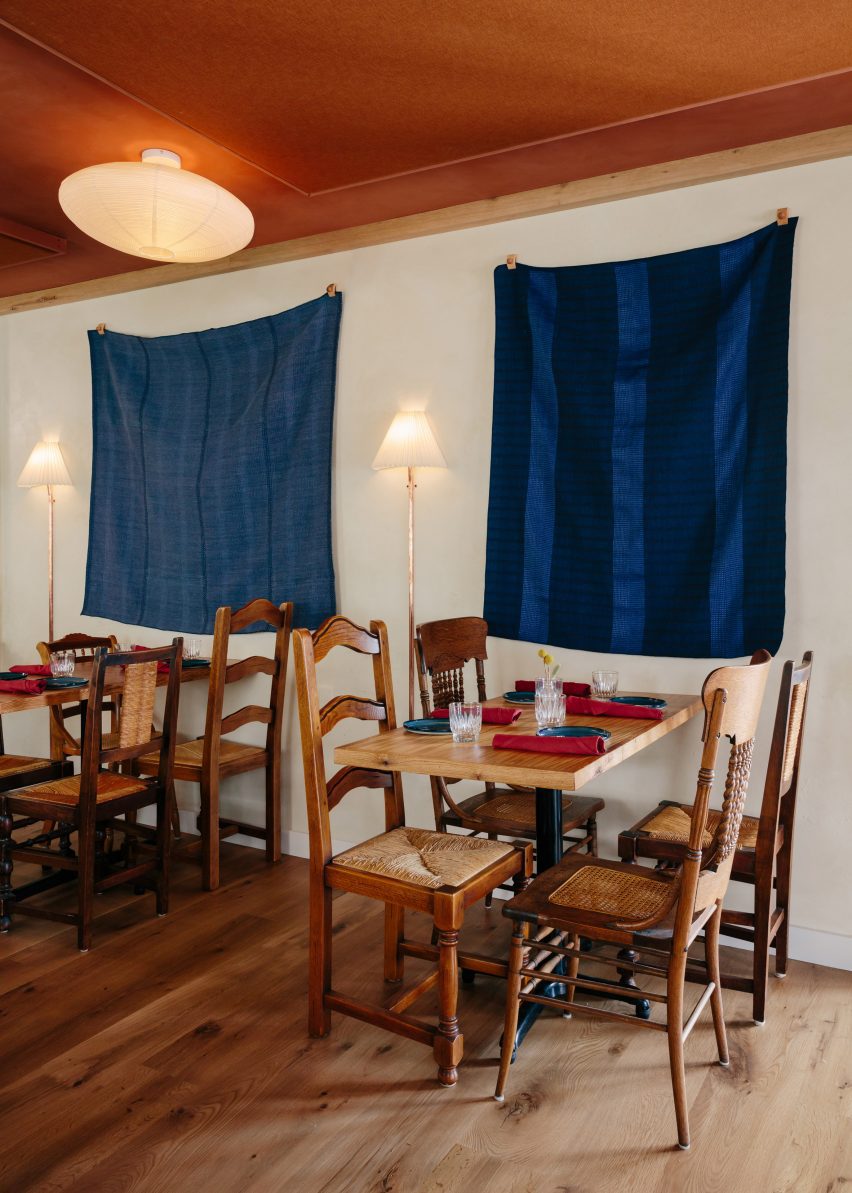
Blue tapestries hang above wooden tables and chairs
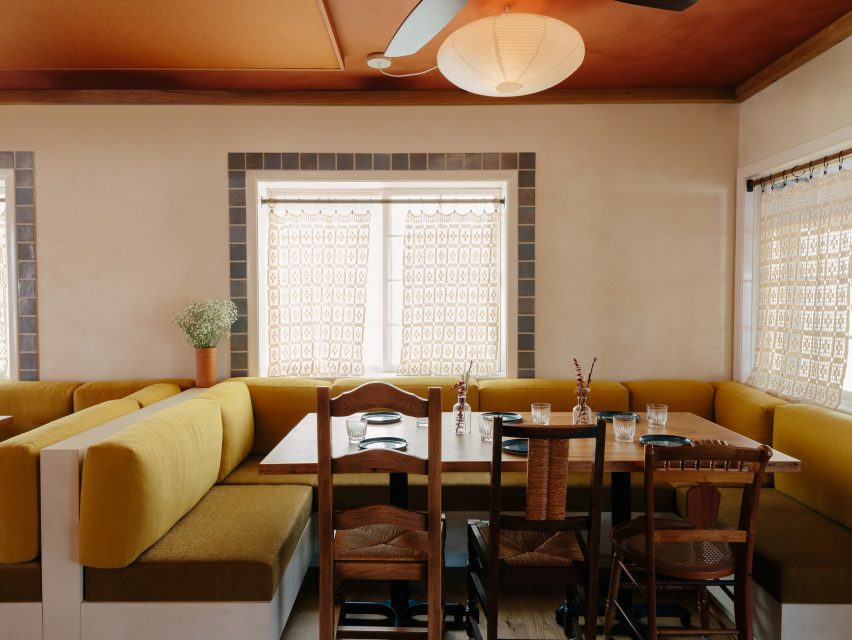
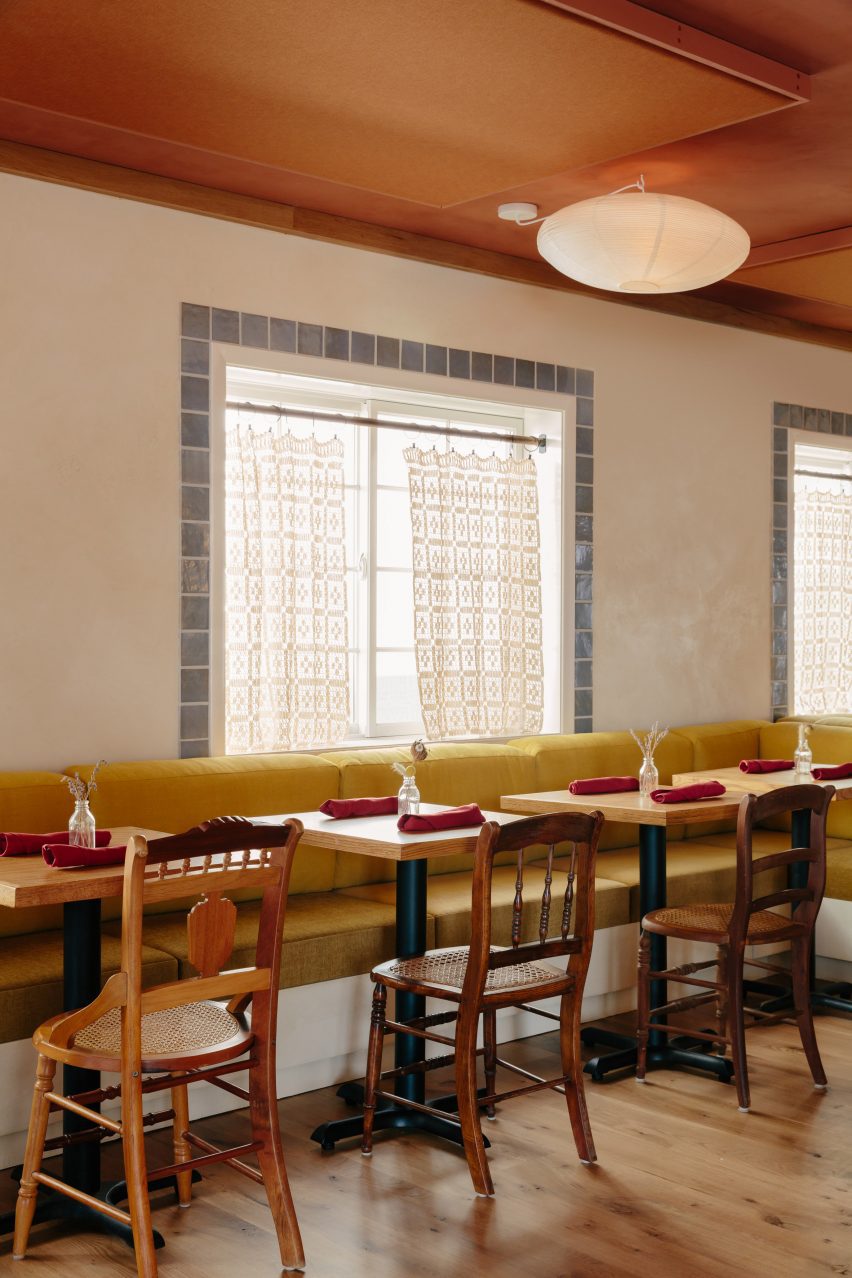
Flooring shifts to reclaimed timber in the dining area, where banquette cushions are upholstered in yellow fabric and the accompanying vintage chairs are all slightly different designs.
“The restaurant includes a deliberately minimal approach to furniture, lighting and decor, which allows the materiality to shine on its own,” said Home Studios.
Blue-grey glazed ceramic tiles surround the window and door frames
Blue-grey glazed ceramic tiles surround the window and door frames, while thin white tiles wrap the front of the bar counter.
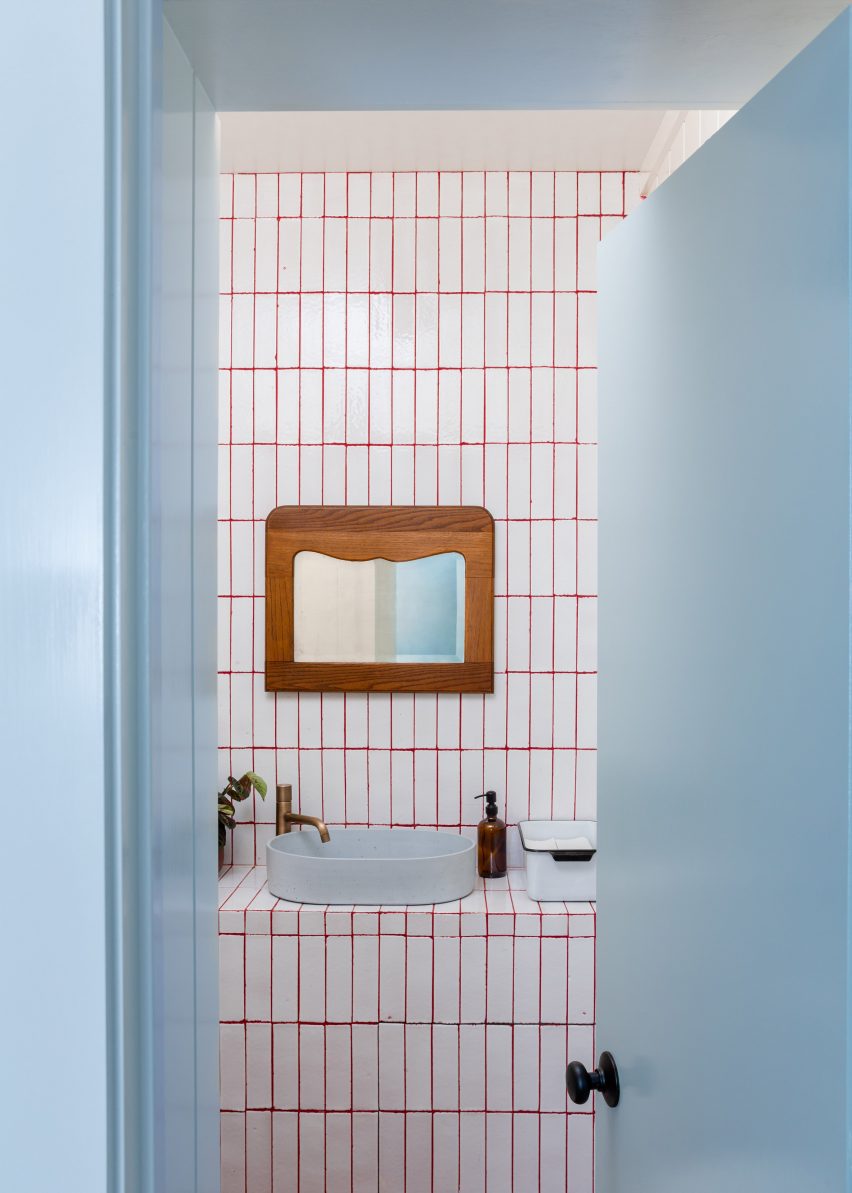
The same white tiling is found in the bathroom, accessed via a powder-blue door, but with red grouting for a more contemporary twist.
Both The Bird and Daunt’s Albatross are run by third-generation proprietor Leo Daunt and his sister Zoe, who grew up in the town and wanted to return both properties to their former glory while retaining their neighbourhood feel.
“Open year round and transforming with the seasons, [The Bird] will proudly continue its legacy as a community staple – and true Montauk landmark,” said the team.
Wooden dining chairs that accompany the two-top tables are all slightly different designs
Situated at the eastern tip of Long Island, Montauk is a popular summer getaway for New Yorkers that offers a more affordable alternative to the Hamptons nearby.
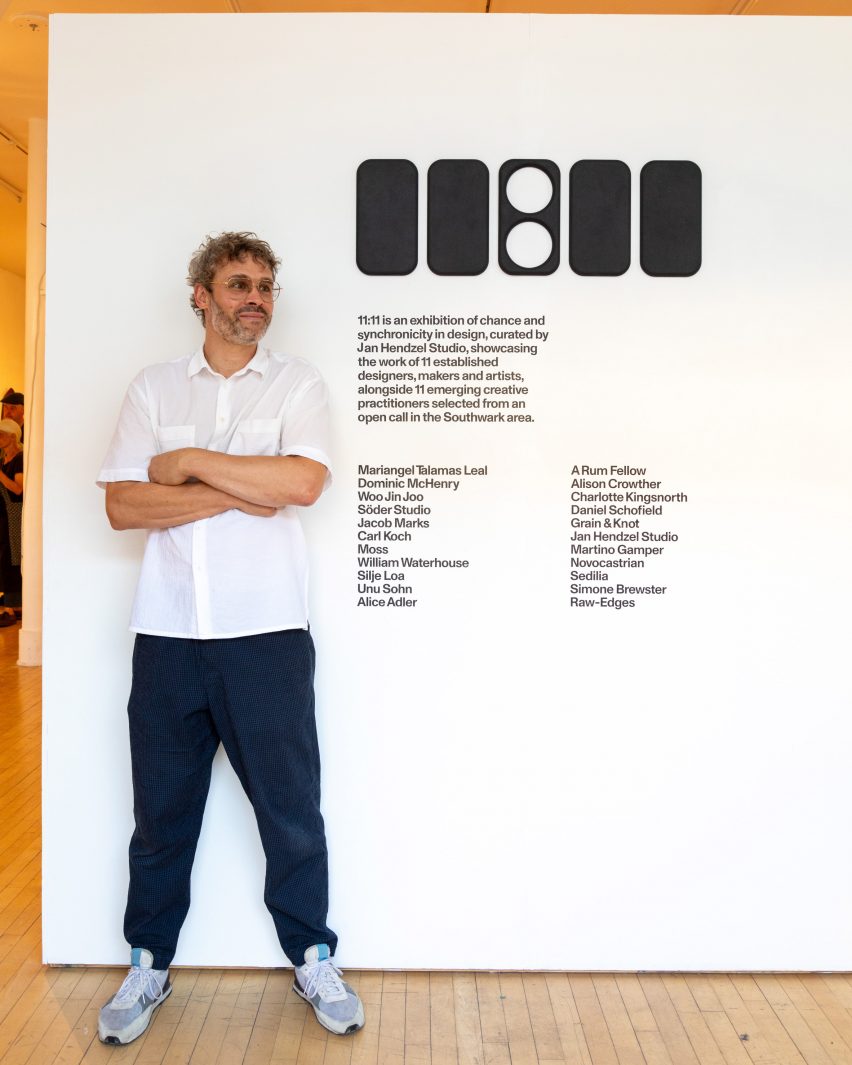
More can be done to support emerging designers in London says Jan Hendzel, who curated an exhibition focused on emerging talent at this year’s London Design Festival.
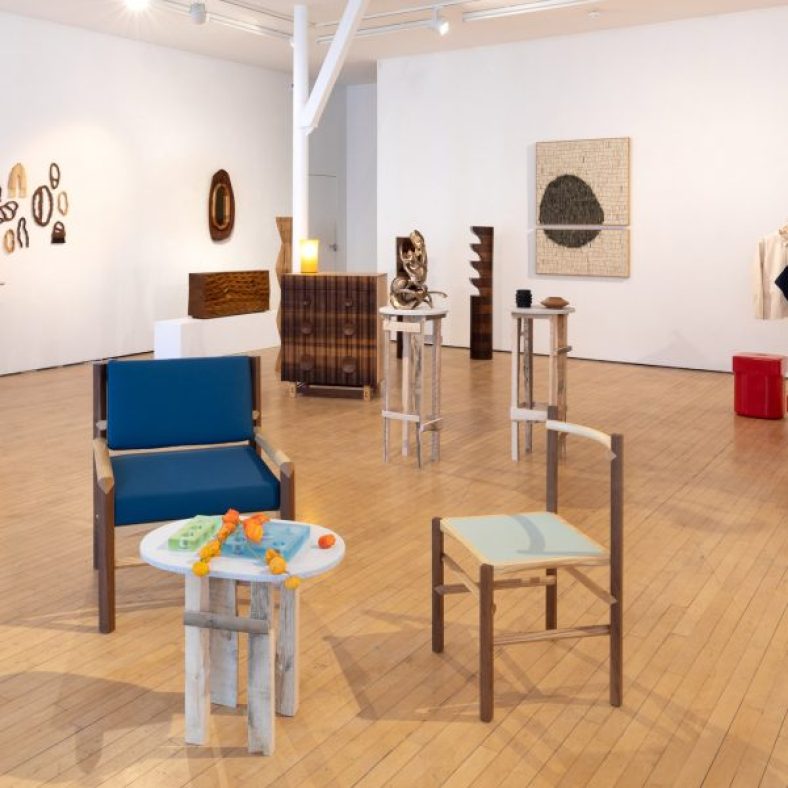
Jan Hendzel Studio curated the 11:11 exhibition, which paired 11 established designers with 11 emerging designers, to draw attention to interesting south London designers.
The 11:11 exhibition (top) was curated by Jan Hendzel (above)
“Our emphasis was on creating a platform to support the grassroots and emerging creators of south London,” Hendzel told Dezeen.
“By forging new relationships and connecting the established design industry with up-and-coming makers, 11:11 aims to create a more inclusive and diverse future in design.”
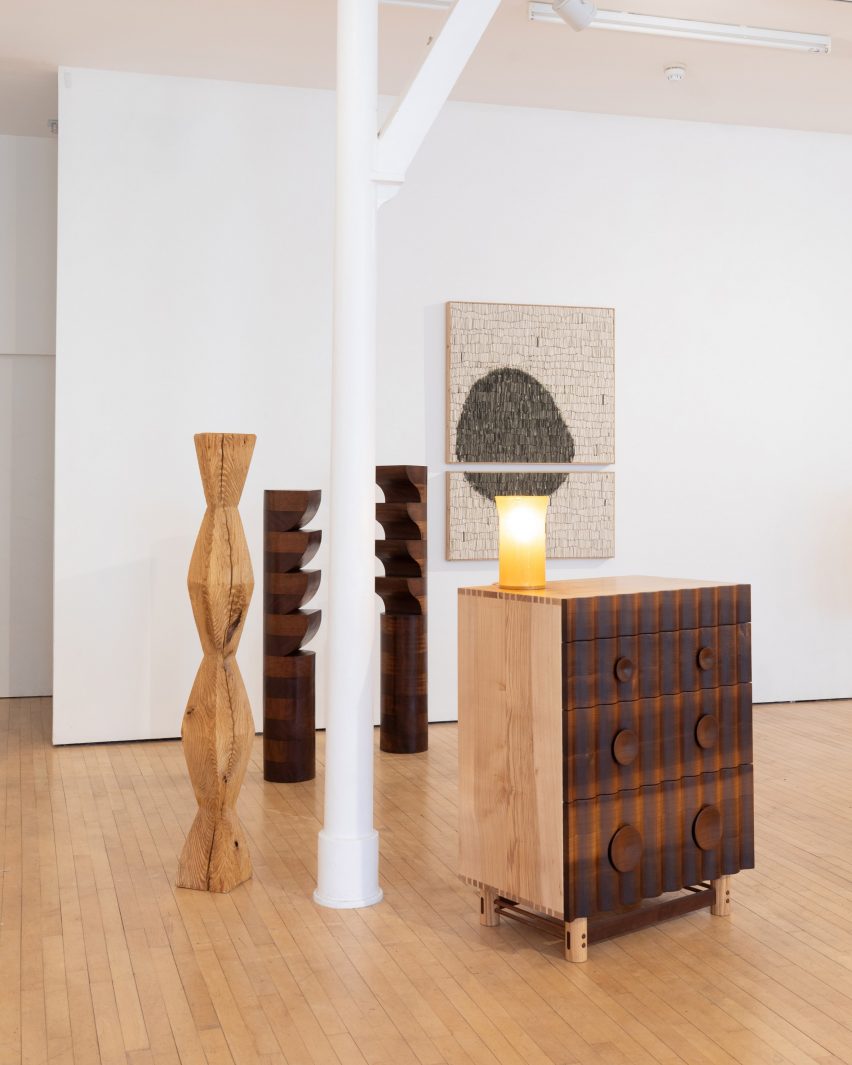
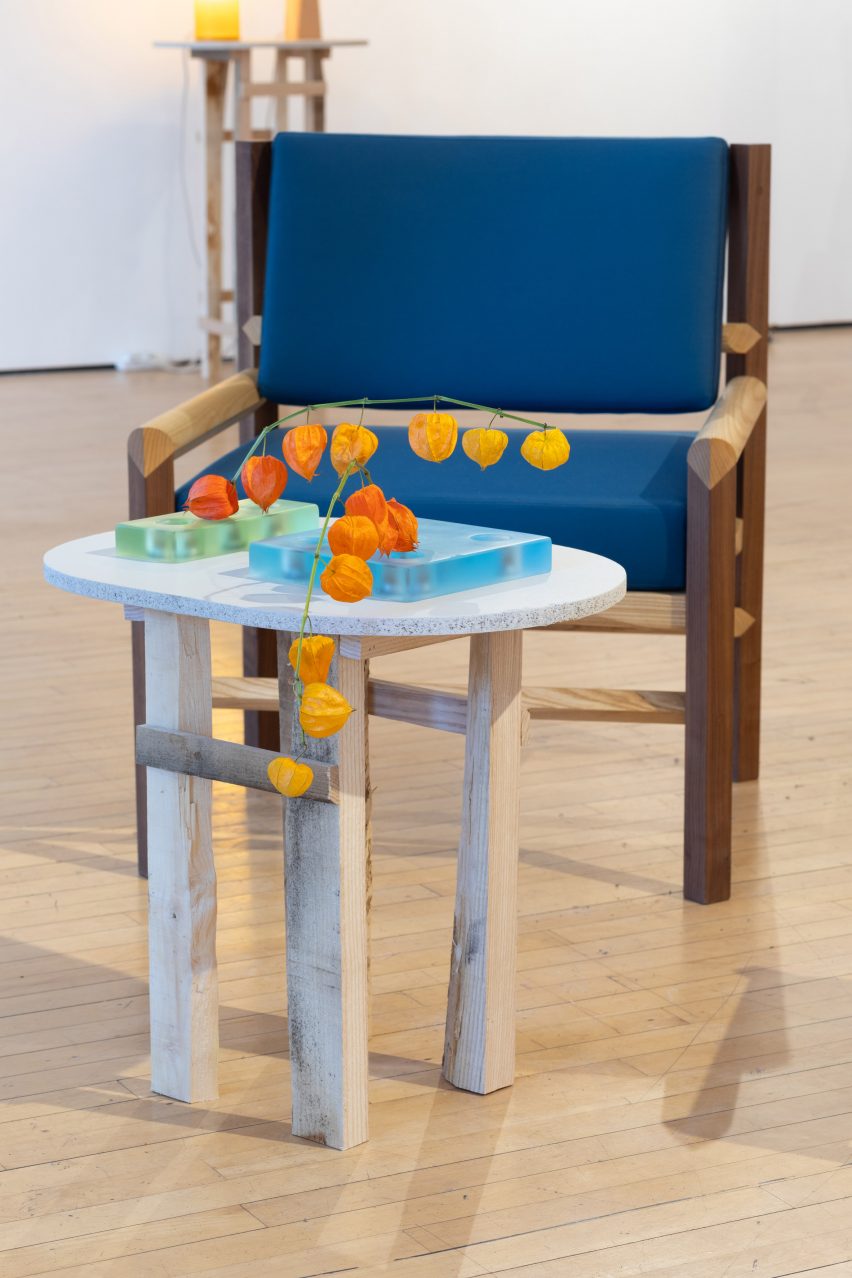
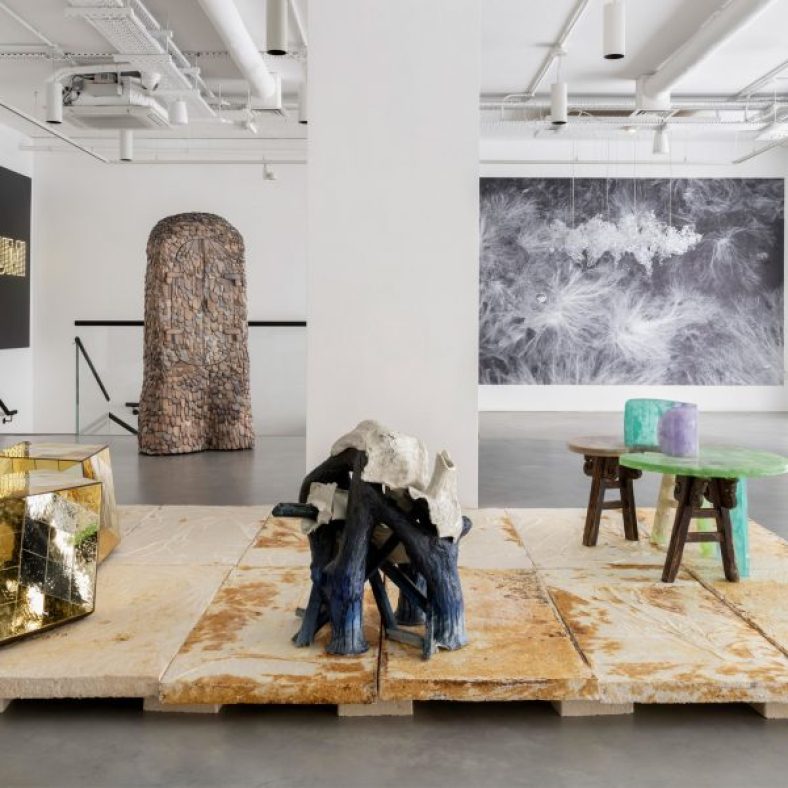
Bowater drawers by Jan Hendzel Studio with Column I by Alison Crowther and Argentus by Dominic McHenry and Untitled Ceramic tiles by Carl Koch on wall
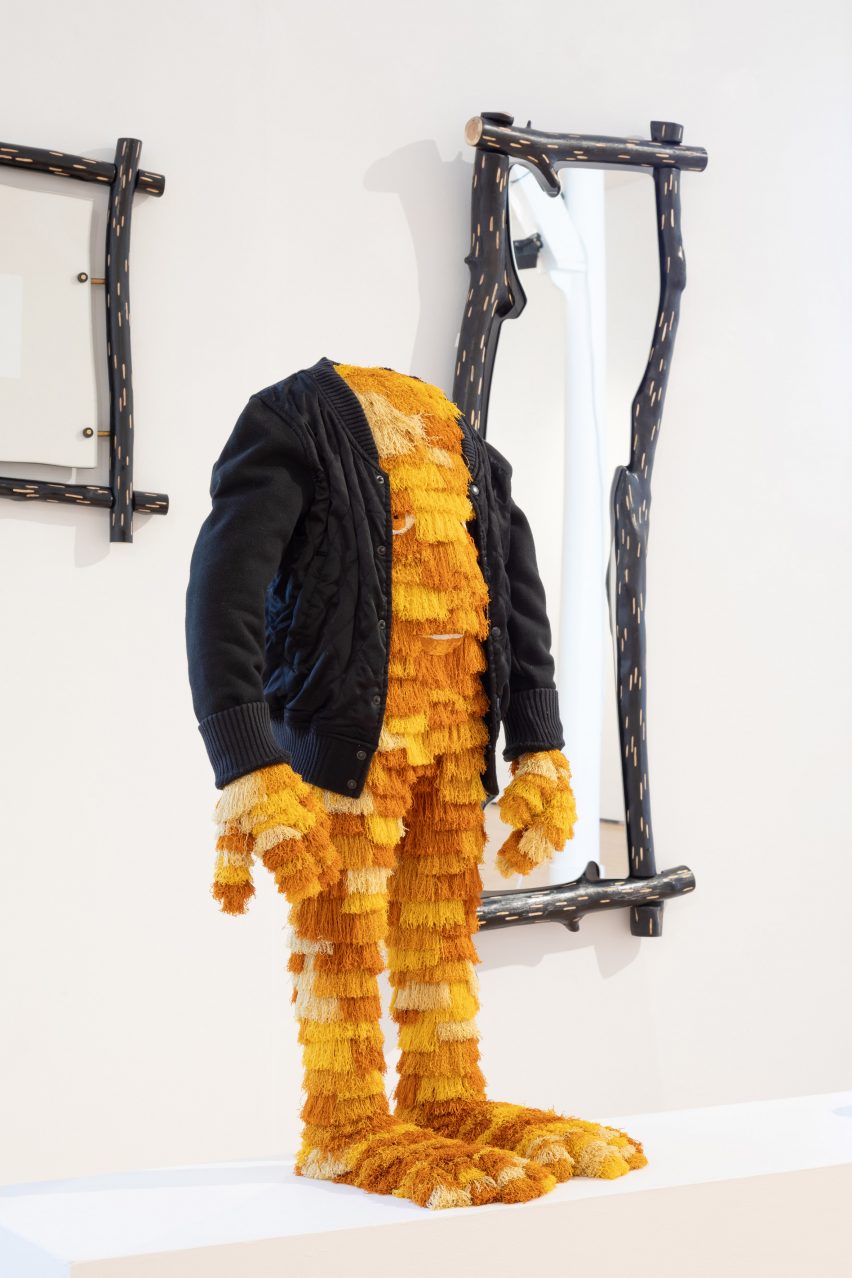
The Wrong Tree Picture Frame and Mirror by Charlotte Kingsnorth behind Thoroughly Odd by Woojin Joo
Hendzel believes that events like LDF can create space for emerging talents to showcase their work, but often focuses on university-educated designers.
“The importance of offering a platform to emerging talent, especially that of grassroots and local level creatives, is to offer empowerment and to demonstrate that design is a profession that can offer meaningful and exciting careers,” he said.
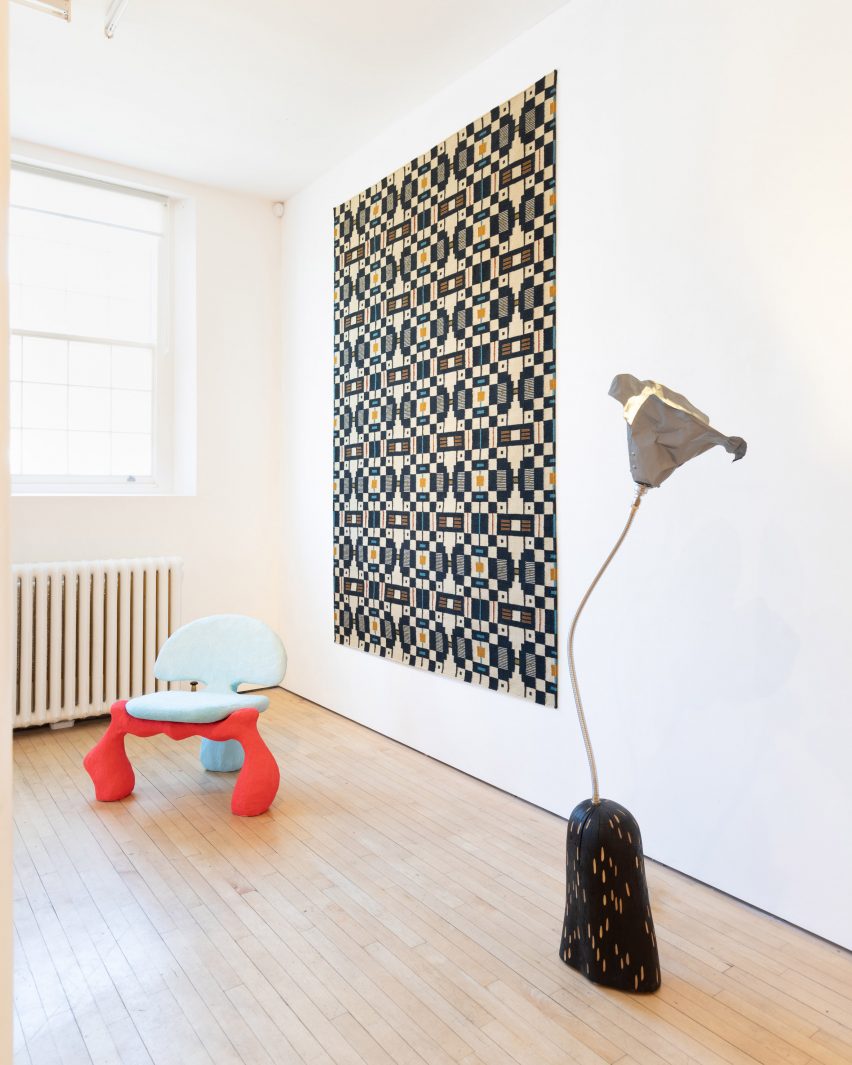
Lupita Lounge Chair by Mariangel Talamas Leal alongside Periscope Rug by A Rum Fellow and BUTW Floor Lamp by Charlotte Kingsnorth
“When the design festival rolls into town, yes, I believe we do have platforms for emerging creatives; however, one big issue is that design shows can be cost-prohibitive and often focus on university-educated people, which by default puts the profession at the more elitist end of things,” he continued.
“If you don’t have cash or a degree then finding a platform to celebrate your ideas can be difficult.”
A Martino Gamper chair alongside with F2 Dice and F2 Line by Moss on plinth by Jan Hendzel Studio.
He believes that LDF and others can do more to support emerging talents, and suggests that providing free space for exhibitions and installations would be a way of doing this.
“Emerging talents require nurture, they require safe places to practise their respective disciplines and they require opportunities for growth through connections and collaborations with established practitioners to elevate their craft,” he explained.
“A great opportunity would be to find and offer more free spaces to emerging groups, alongside bursaries and support packages in how to promote your event and develop your respective craft within a design district.”
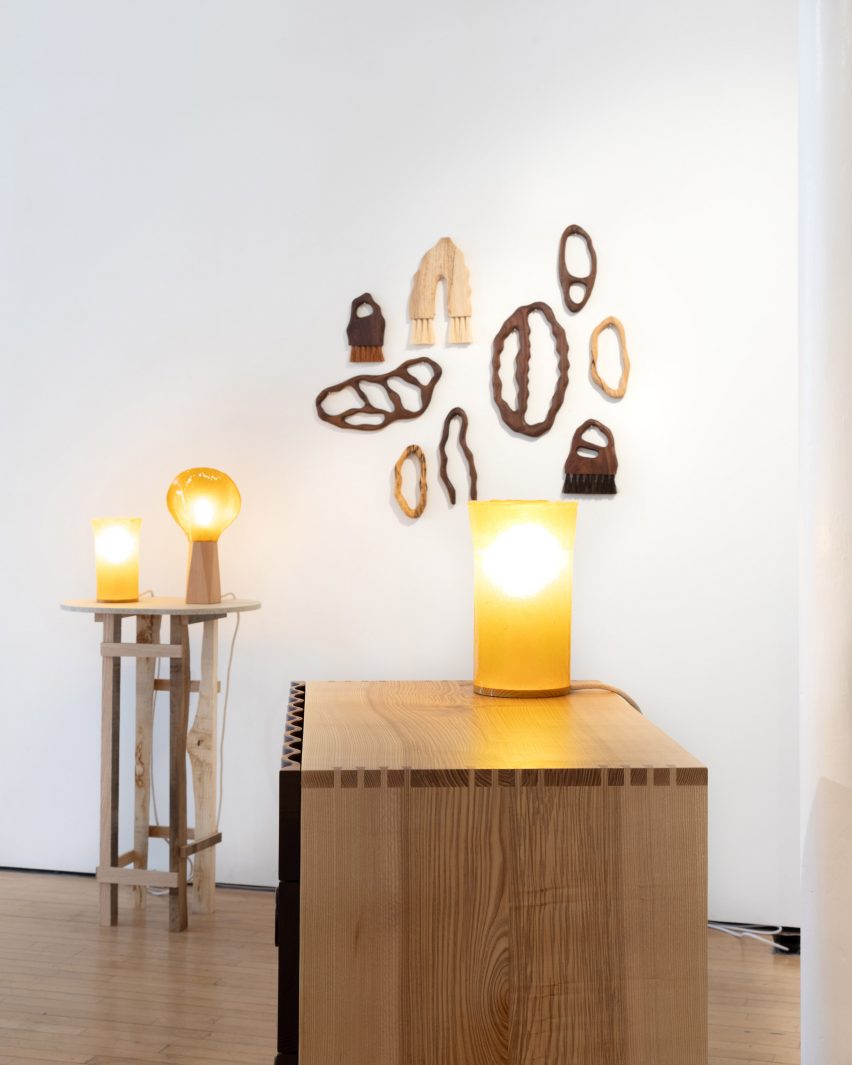
Sculptural wall hangings by Grain & Knot with Pina Lamps by Jacob Marks
The exhibition, which is taking place at Staffordshire St gallery in Peckham, includes numerous pieces of furniture with chairs designed by Gamper and Leal, as well as drawers by Jan Hendzel Studio and Crowther.
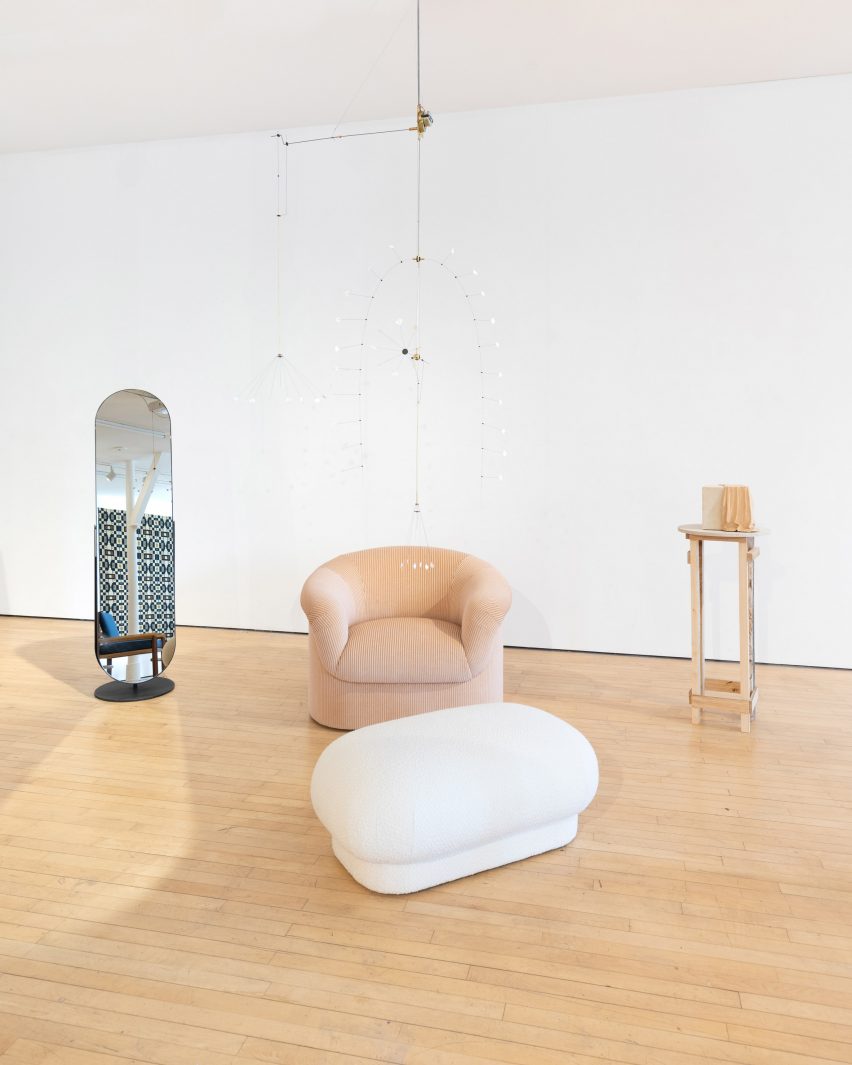
Sedilia’s contribution was a Roll Top Chair and Roll Top Ottoman.
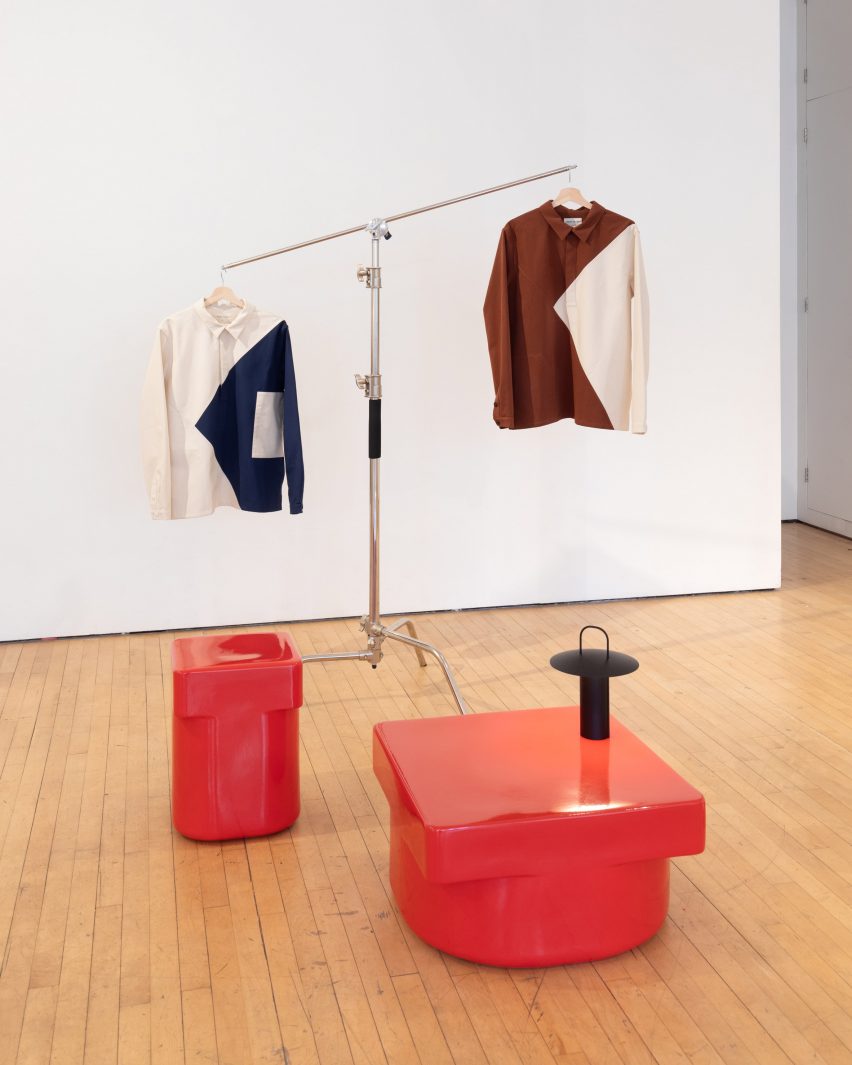
The exhibition also include mirrors designed by Jan Hendzel Studio, Novocastrian and Kingsnorth, and clothing by Soeder.
Also on display were lights by Schofield and by Marks.
The Port Free Mirror by Novocastrian alongside the Roll Top Chair and Roll Top Ottoman by Sedilia with Song 1 Awe-to Series by William Waterhouse hanging from ceiling and Draped in Wood by Silje Loa on a plinth
Smock 01 by Addison Soeder behind Landmark Coffee Table and Side Table with Ray Lamp by Daniel Schofield
The photography is by BJ Deakin Photography.
The 11:11 exhibition takes place 16-24 September at the Staffordshire St galleryas part of London Design Festival 2023. See our London Design Festival 2023 guide on Dezeen Events Guide for information about the many other exhibitions, installations and talks taking place throughout the week.
Multidisciplinary designer Kustaa Saksi has unveiled In the Borderlands, an exhibition of jacquard textiles at the Helsinki Design Museum, which includes a piece featuring scenery generated by AI software.
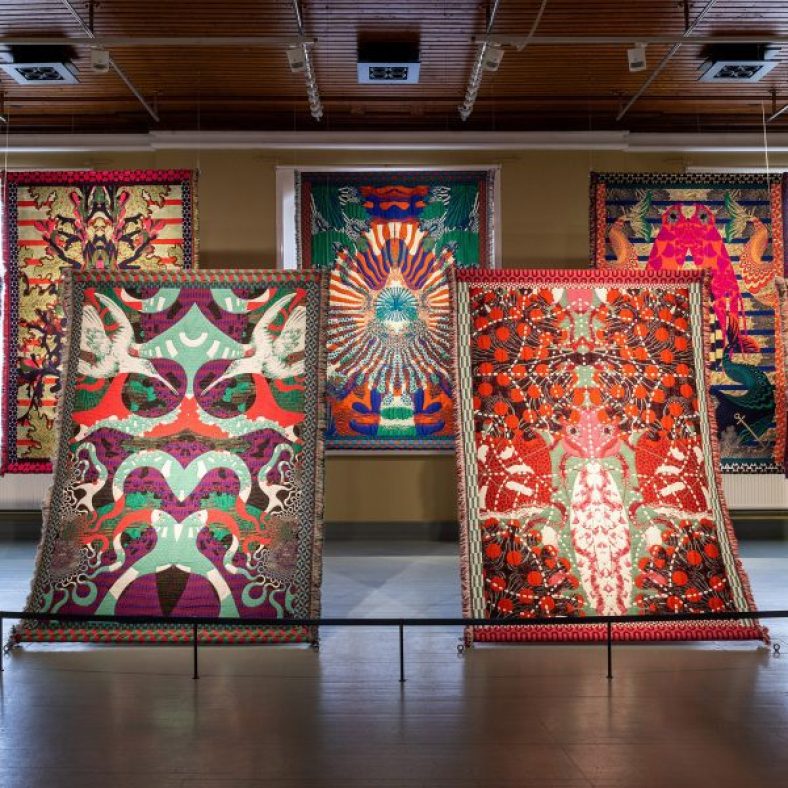
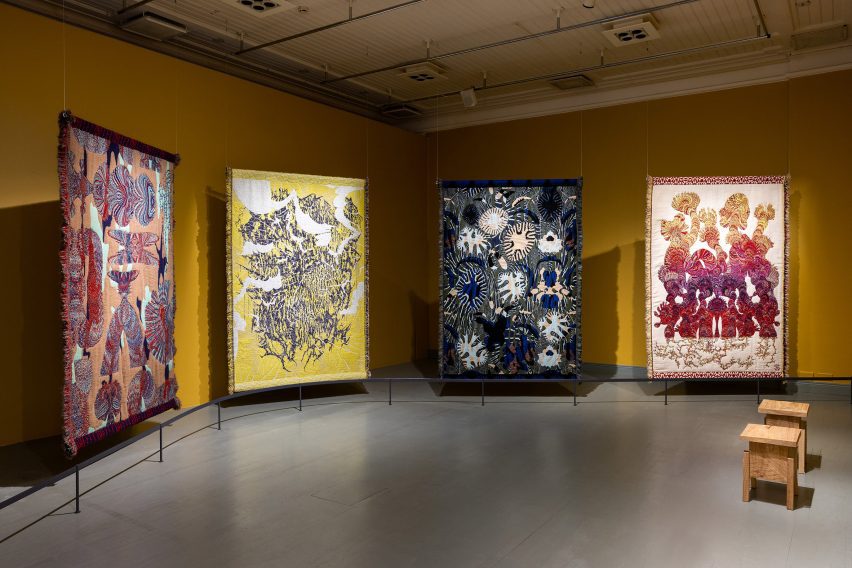
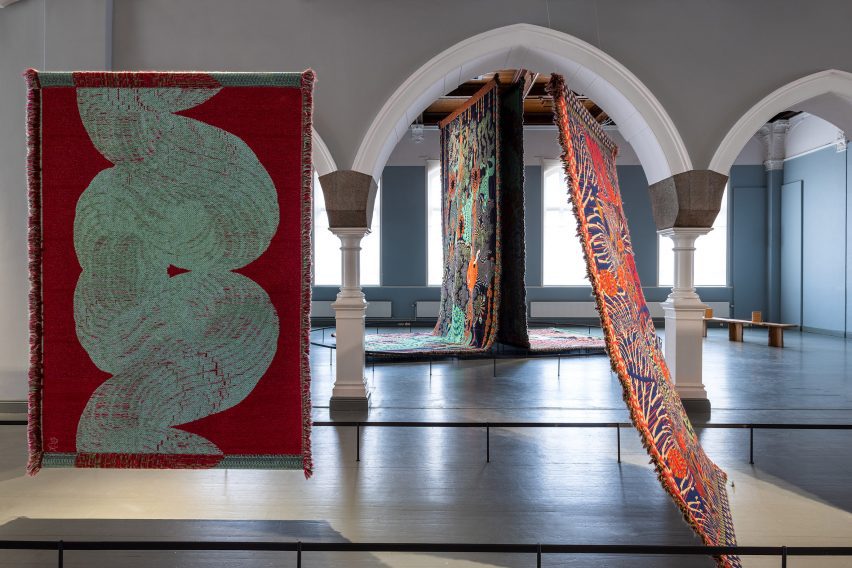
Conceived as objects that straddle both art and design, Saksi’s large-scale textiles were hung from the ceilings and arranged across various rooms within a gallery at Helsinki’s Design Museum.
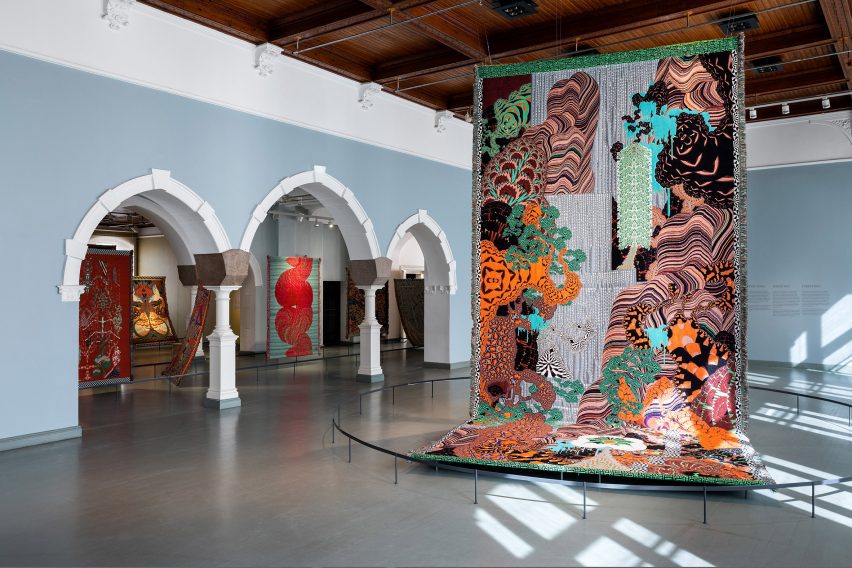
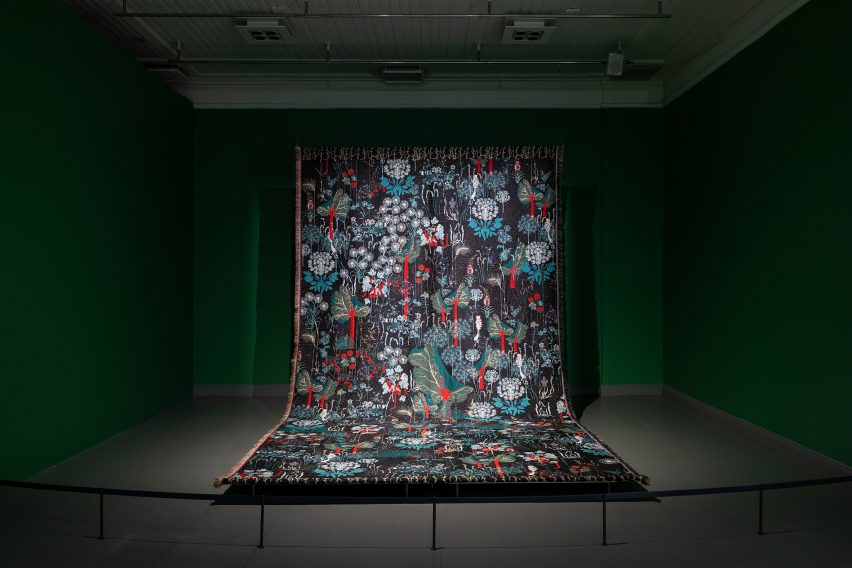
Ideal Fall is a duo of tapestries featuring AI-generated imagery
To create his pieces, the designer uses jacquard weaving – a technique invented in 1804 where patterns are woven with yarn using a loom to create a textile, rather than printed, embroidered or stamped onto fabric.
Ideal Fall is a single oversized tapestry featuring bright and abstract forms depicting waterfall- and plant-style forms.
Kustaa Saksi also created a series exploring migraines
Saksi created the colourful textile using AI software, which he instructed to generate images that would depict “ideal” scenes of nature. The designer then picked his favourite suggestions and used the imagery as a stimulus for the tapestry’s patterns.
“The exhibition explores moments between reality and illusion, which are the starting point for many of Saksi’s works,” said the Design Museum.
The tapestries were suspended from the ceiling at the Design Museum
Migraine Metamorphoses is another series of textiles featuring similarly bold designs, which Saksi created to refer to the various phases of migraines – intense headaches that the designer has suffered since the age of seven.
According to the museum, the soft texture of the textiles intends to “mitigate the painful subject matter”.
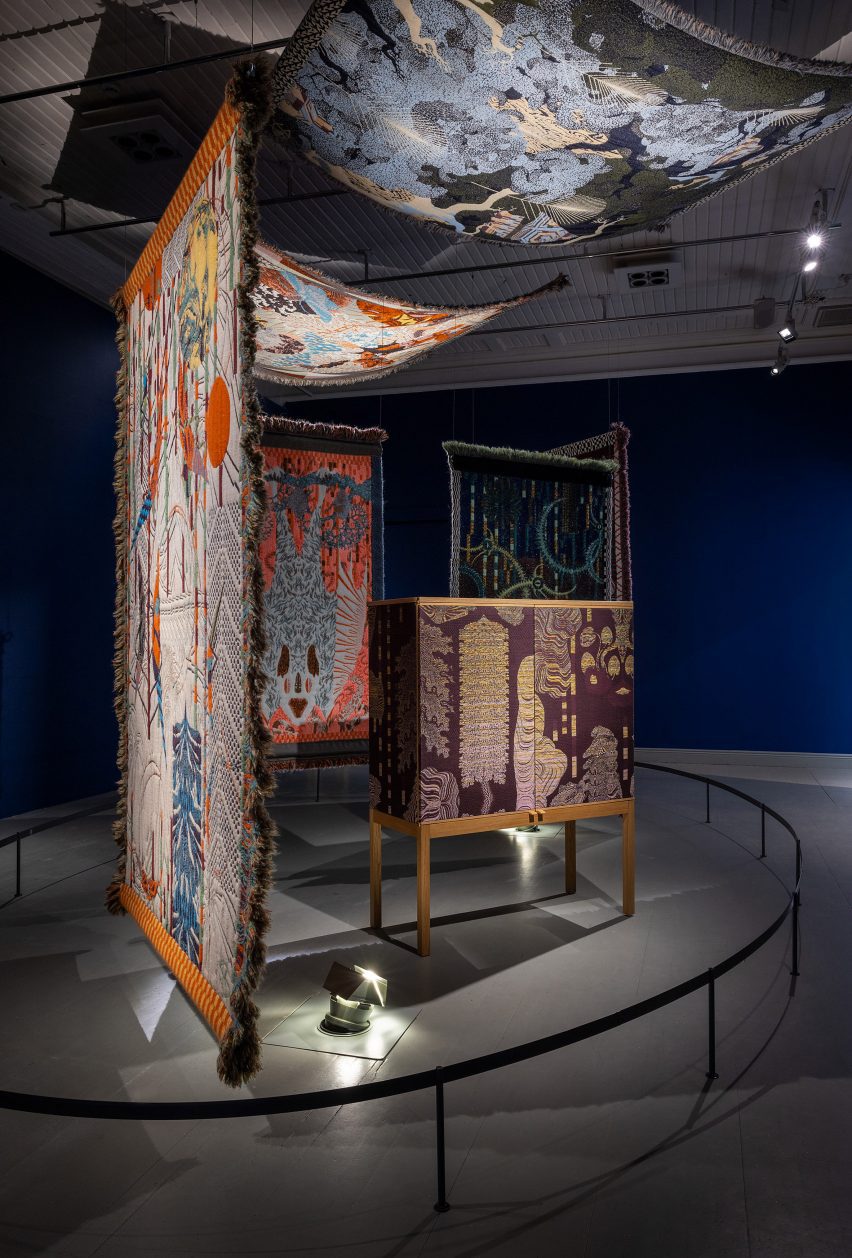
Monsters and Dreams is a series informed by stories about hallucinations
Often influenced by the boundaries between dreams and imagination, Saksi’s first-ever tapestry series was also on show at the Design Museum.
Called Monsters and Dreams, it is characterised by striking patterns that take cues from hallucinations experienced by one of the designer’s family members. These textiles were draped across or hung from the ceiling of a single room with dark blue walls, which had been painted to enhance the pieces’ dramatic theme.
Saksi has created his pieces in collaboration with Dutch studio TextileLab since 2013.
“The jacquard technique can be referred to as one of the early precursors to the computer,” said the Design Museum.
“It was the first mechanised technique which enabled the transfer of information about a particular pattern to a weaving machine with the help of a punched cylinder, to eventually become a piece of textile.”
The exhibition is on display in Helsinki until mid-October
Throughout the gallery, the textiles were illuminated with controlled levels of lighting in order to preserve their appearance, according to the museum.
Helsinki Design Week takes place from 8 to 17 September 2023 in Helsinki, Finland. See Dezeen Events Guide for an up-to-date list of architecture and design events taking place around the world.
The home in the leafy Clinton Hill neighbourhood was bought by a family of four with roots in India and required a complete gut renovation to open up the spaces to the outside.
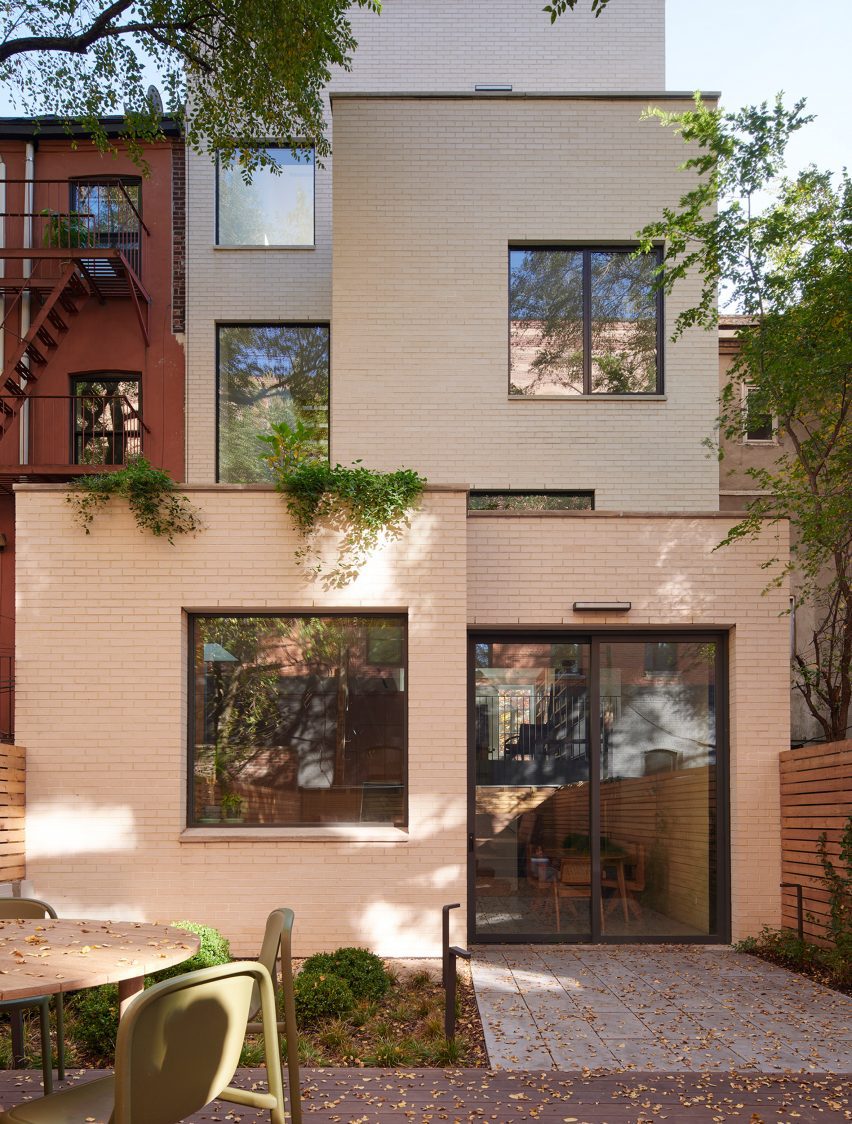
The overhaul of Z House involved a significant rear extension, comprising cube volumes clad in pale brick
“They wanted a house that exhibited a strong connection to nature, featuring a more seamless integration between inside and out,” said Light and Air.
The project involved extending the building one level vertically, bringing its total number of storeys to four, as well as pushing it out significantly at the back.
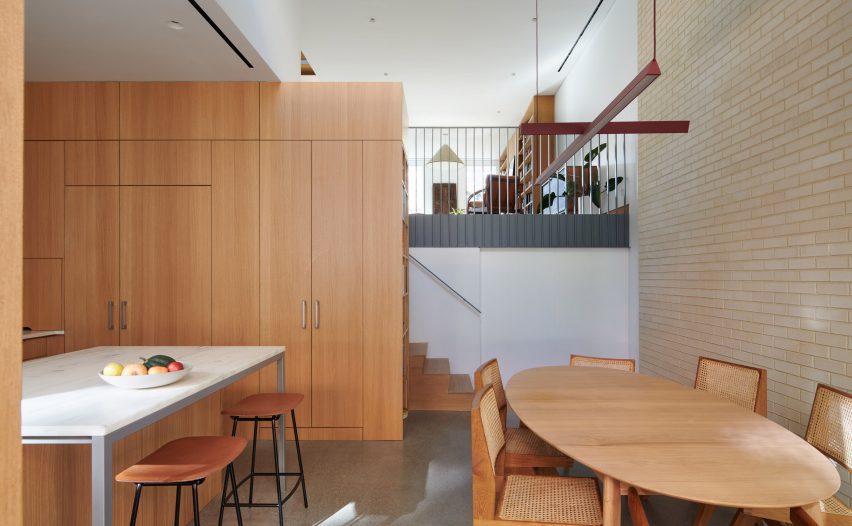
The brick continues into the kitchen and dining area on the lower floor
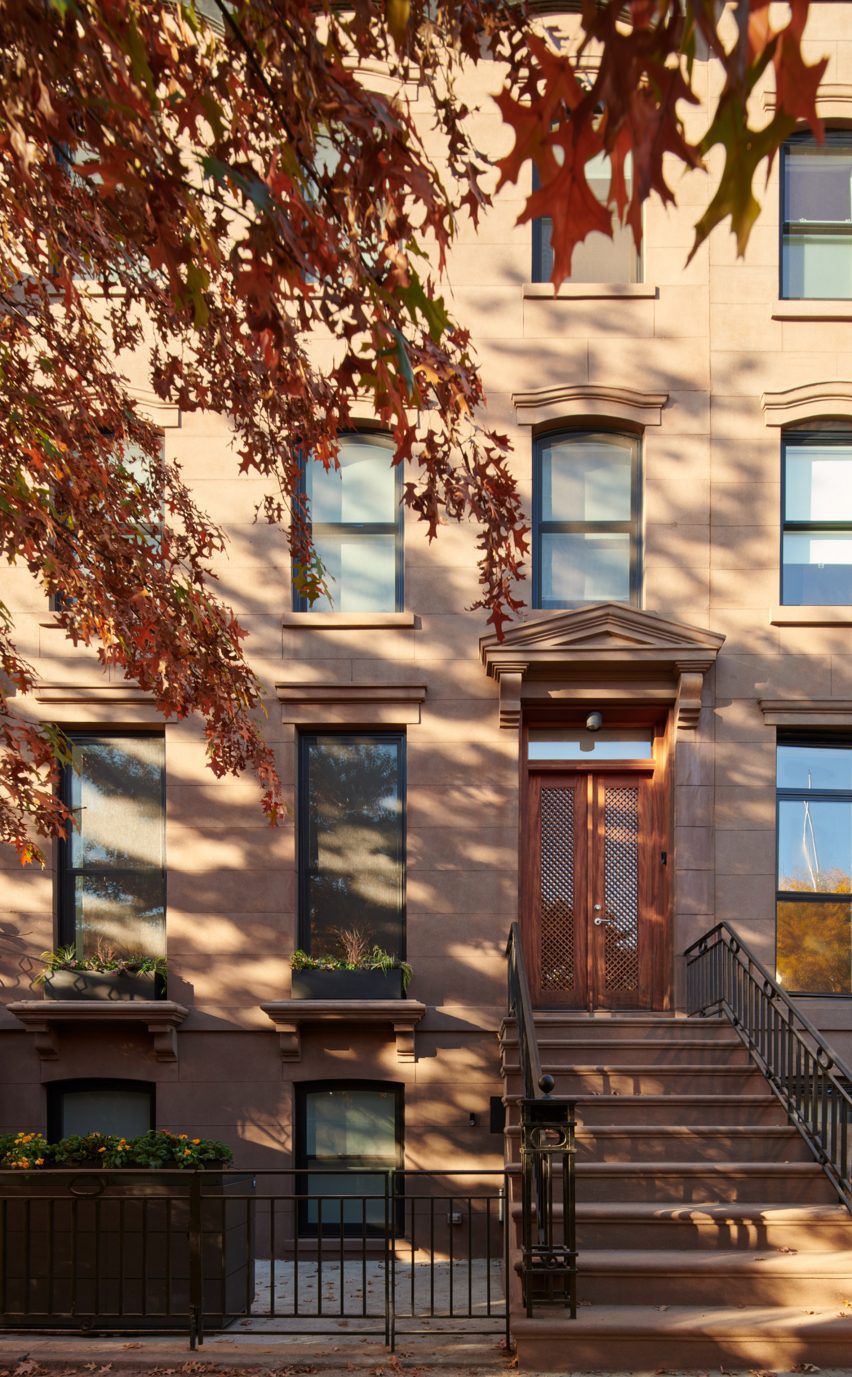
While the historic front facade was carefully restored, the rear elevation now presents as a contemporary stack of pale-brick cube volumes.
The interior was completely reorganized to allow sightlines between the original spaces, the new extensions and the outdoors.
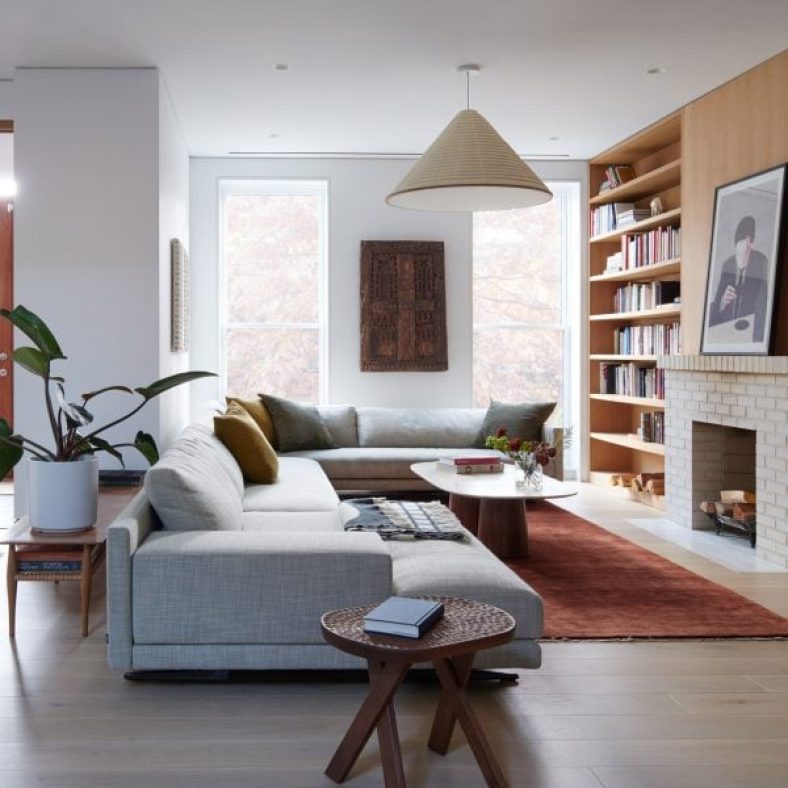
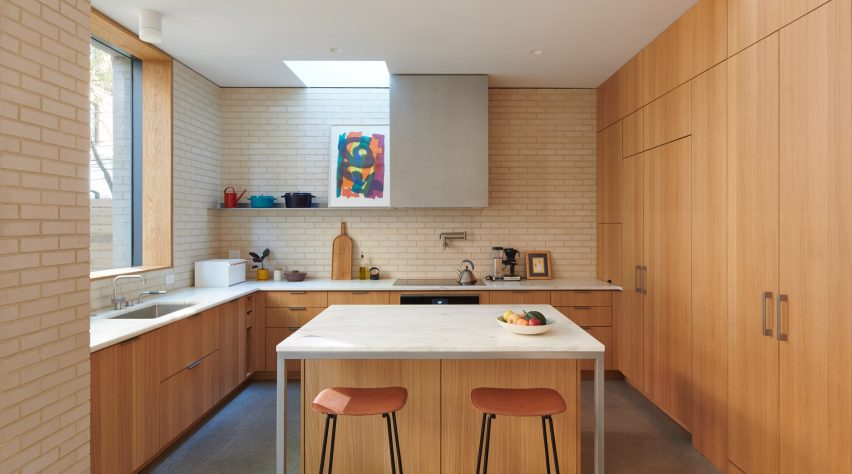
Oak millwork in the kitchen continues through the minimal interiors
The most dramatic change involved swapping the stacked staircase with a switchback configuration – a similar approach taken by the studio at another Brooklyn townhouse in 2018.
This arrangement allows for improved visual connections between the levels and gave the project its name, Z House.
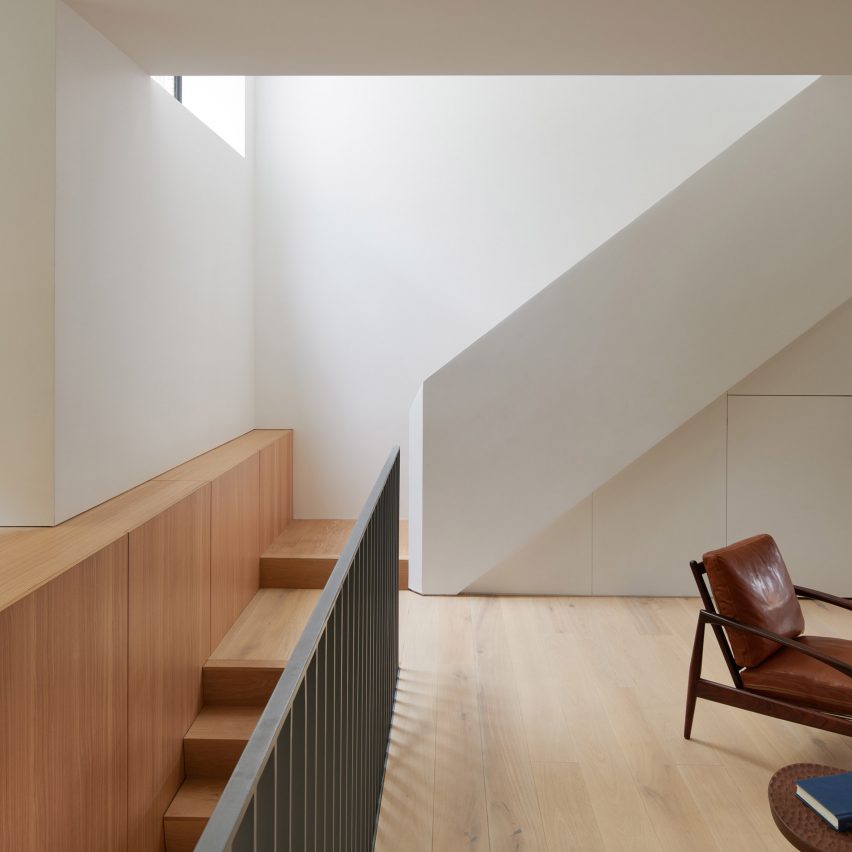
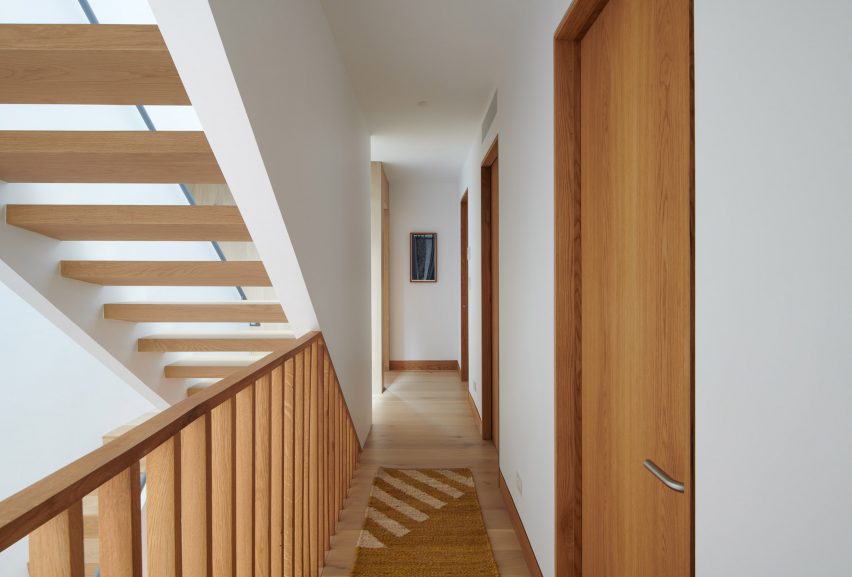
Reconfiguring the house involved swapping the stacked staircase for a switchback arrangement from the parlour level to the top floor
In addition, an angled skylight was added above the staircase void, bringing in light all the way down to the parlour 40 feet (12 metres) below.
“Filled by light and air, the stair’s drama is heightened by the placement of large windows punctuating the rear facade, allowing the vertical space to open to the exterior,” said the studio.
A skylight over the staircase void brings light down into the home
Of the home’s four storeys, the lower levels are occupied by the public spaces including the kitchen, dining, living and media rooms.
The top two levels are reserved for the children’s rooms and the primary suite respectively. The uppermost floor also accommodates a home office and provides access to a roof terrace created by the rear extension.
“This private, elevated, exterior space offers a unique domestic experience not typically found in most Brooklyn rowhouses,” Light and Air said.
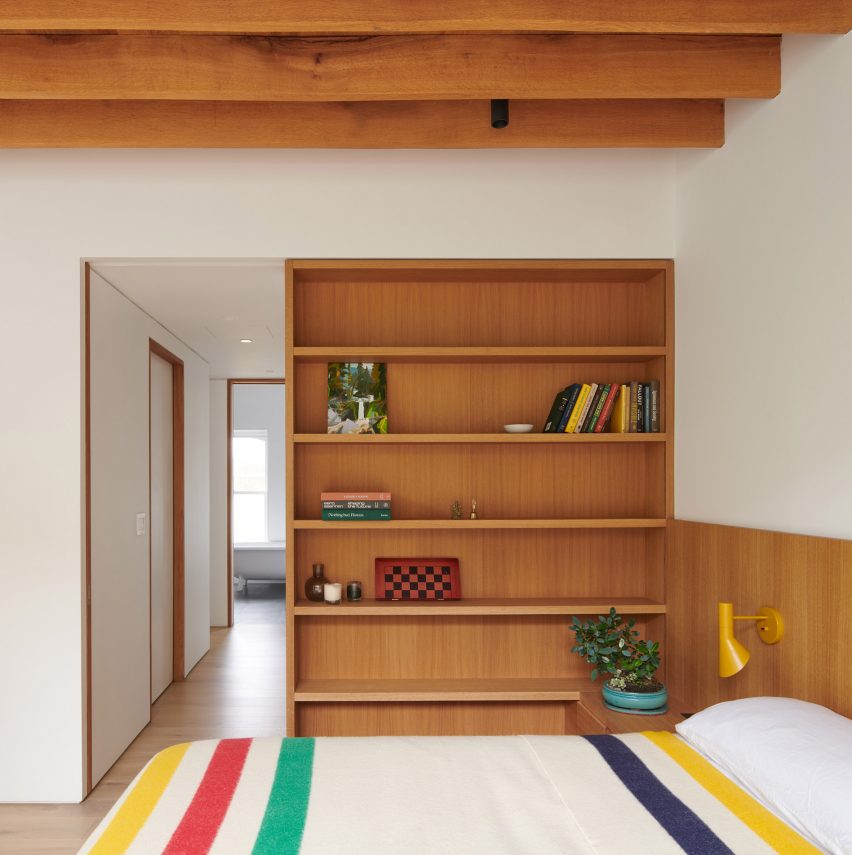
Interiors throughout are clean and minimal, with white walls and custom oak millwork, built-ins and furniture.
The primary bedroom on the top floor features a custom oak bed and built-ins
The pale brick of the rear facade is also expressed inside the double-height kitchen and dining area, which is open to the back patio.
“Located above the garden level addition is a green roof that buffers sightlines from the parlor floor, creating the effect of a floating garden beyond,” said Light and Air.
The historic street facade of the Clinton Hill townhouse was also restored as part of the renovation
Founded by Anne Diebel in 2018, the studio has completed many staging and interior design projects across New York City.
These include a Brooklyn apartment retrofitted with ample custom cabinetry and a spiral staircase and a Financial District loft where partitions were removed to create an open, inviting space.
The 150 longlisted projects, which are in the running for awards in nine different interior project categories, are by studios located across 32 different countries including India, Slovakia, Belgium, Canada, Denmark and Latvia.
The top three represented studio countries are the UK, with 27 longlisted entries, followed by the US with 23 and Australia with 15.
The top project city locations are London, with 18 longlisted entries, followed by Shanghai with seven and Sydney and Paris tied with four each.
All Dezeen Awards 2023 longlists revealed this week
Dezeen Awards 2023, in partnership with Bentley Motors, will reveal all longlisted projects this week. The architecture longlist was published yesterday and the design longlist will be announced tomorrow, followed by the sustainability longlist on Thursday.
Longlisted projects have been selected from over 4,800 entries from 94 countries for the sixth edition of our awards programme, which celebrates the world’s best architecture, interiors and design, as well as the studios and individuals producing the most outstanding work.
Above: Sun Dial Apartment by Manuelle Gautrand Architecture. Photo by Gaelle Le Boulicaut. Top: Shiny Gold by Nelly Ben Hayoun Studios. Photo by Vinciane Lebrun
The next stage of Dezeen Awards 2023 will see all longlisted projects assessed by our international jury of leading professionals including interior designers Eny Lee Parker, Nick Jones and Tola Ojuolape.
The judges will determine the projects that feature on the shortlists, which will be announced in October. A further round of judging by our master jury will determine the winners, which will be announced in November.
One of the nine winners of the interior project categories will then be crowned the overall interior project of the year.
Read on for the full interiors longlist:
Union Street House by Prior Barraclough. Photo by Ben Hosking
Dezeen Awards celebrates the world’s best architecture, interiors and design. Now in its sixth year, it has become the ultimate accolade for architects and designers across the globe. The annual awards are in partnership with Bentley Motors, as part of a wider collaboration that will see the brand work with Dezeen to support and inspire the next generation of design talent.
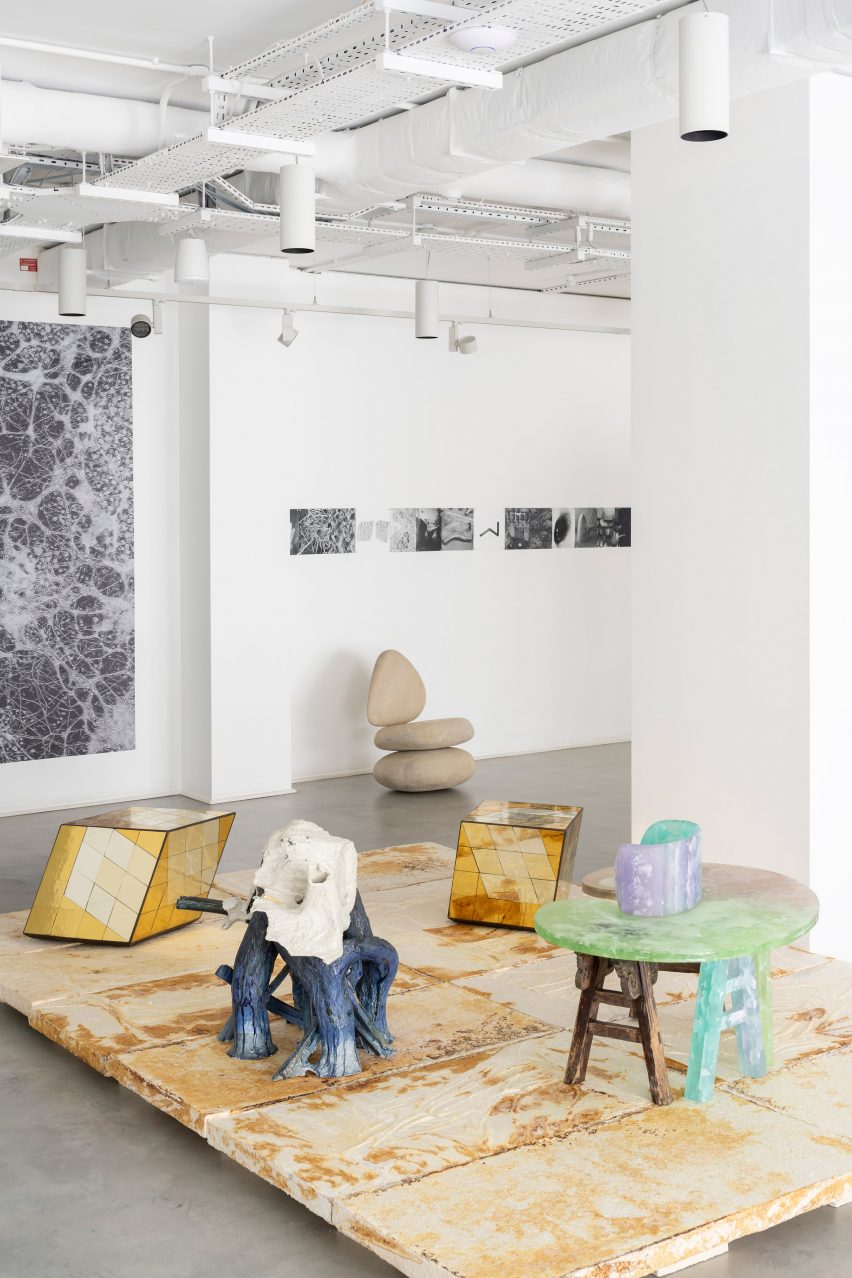
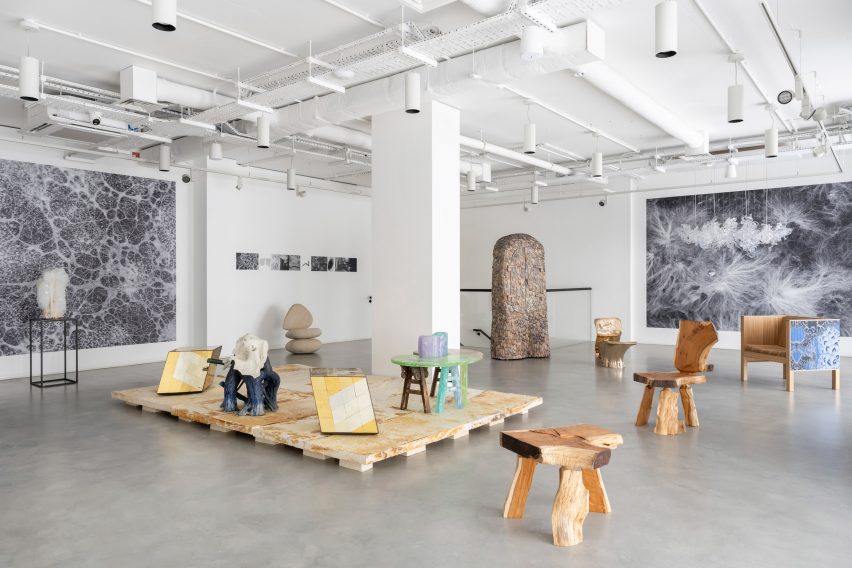
To celebrate 15 years of Gallery Fumi, the London gallery is hosting the Growth + Form exhibition of “functional art”, featuring sculptural furniture and lighting with organic forms.
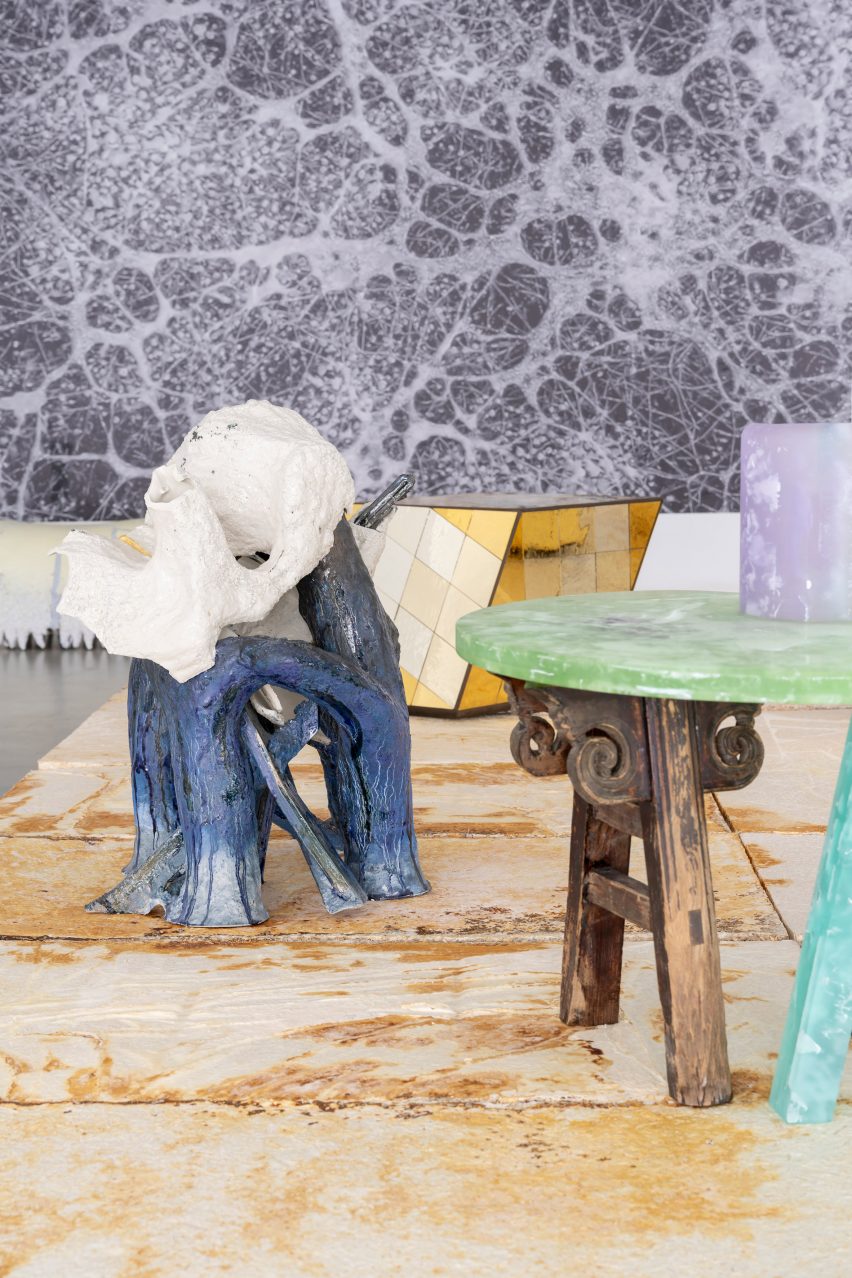
The Growth + Form exhibition includes new works by 16 of the 28 past Gallery Fumi artists and designers, responding to themes of transformation, regeneration and biological growth patterns.
The Growth + Form exhibition celebrates Gallery Fumi’s 15th anniversary
It was designed by architectural designer Leendert De Vos and curated by design historian Libby Sellers, who invited former artists and designers back to showcase new pieces in a group display.
The exhibition title and theme were informed by the On Form and Growth book by Scottish biologist D’Arcy Wentworth Thompson, which analyses the mathematical harmony of growing shapes in biology.
Pieces in the exhibition were informed by biology
Responding to this biological starting point, furniture and lighting with organic shapes and natural materials can be seen throughout the exhibition.
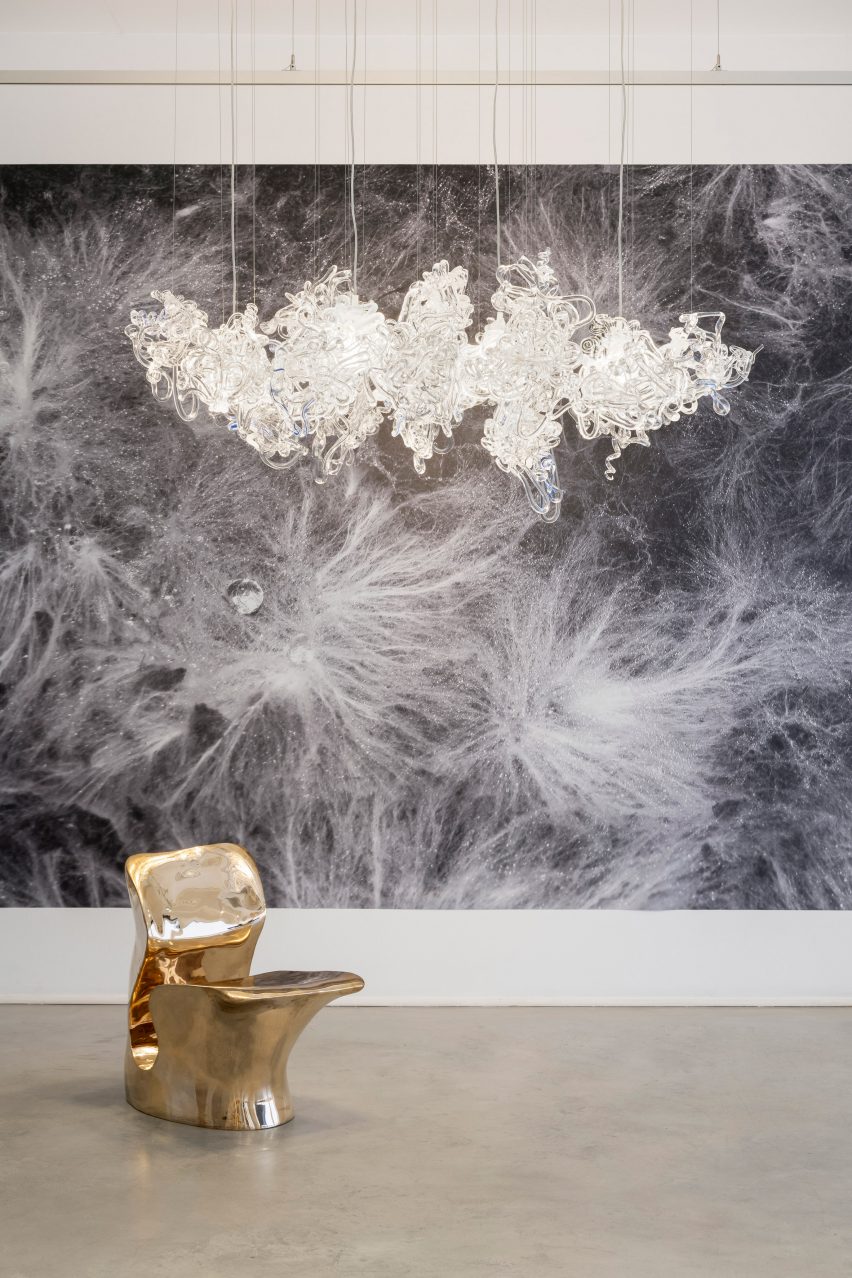
Danish artist Stine Bidstrup created a sculptural chandelier titled Light Entanglements, made up of twisting clusters of hand-blown glass.
Light Entanglements is a chandelier made from hand-blown glass
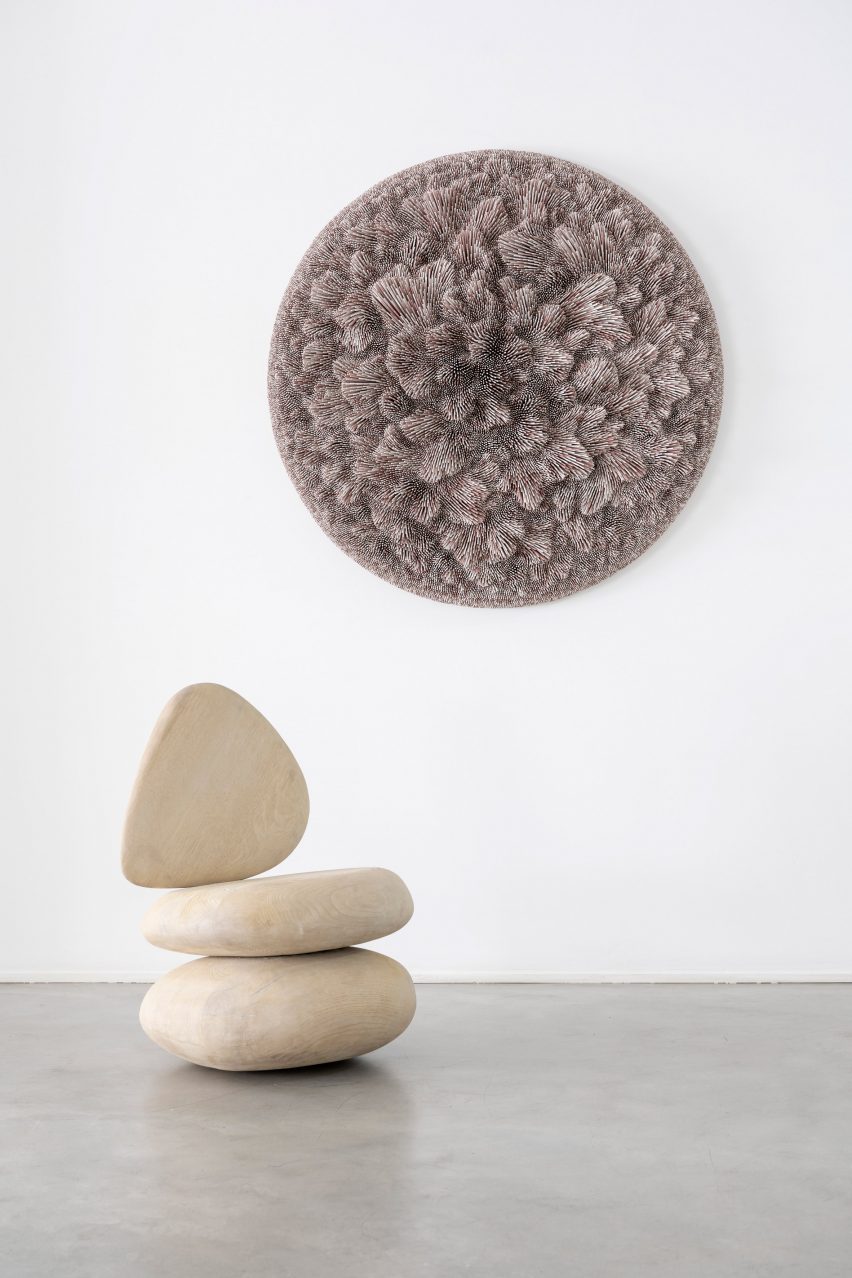
Different lengths of painted sticks were combined to create Marmaros Metamorphosis II, a circular decorative wall piece with a textured, tufted-like surface by sculptor Rowan Mersh.
“Revisiting the very beginning of his career when Mersh used cheap materials to experiment with techniques, in this work using lacquered coloured sticks, he creates forms with the details and skill level he currently attains when using precious materials,” said Gallery Fumi.
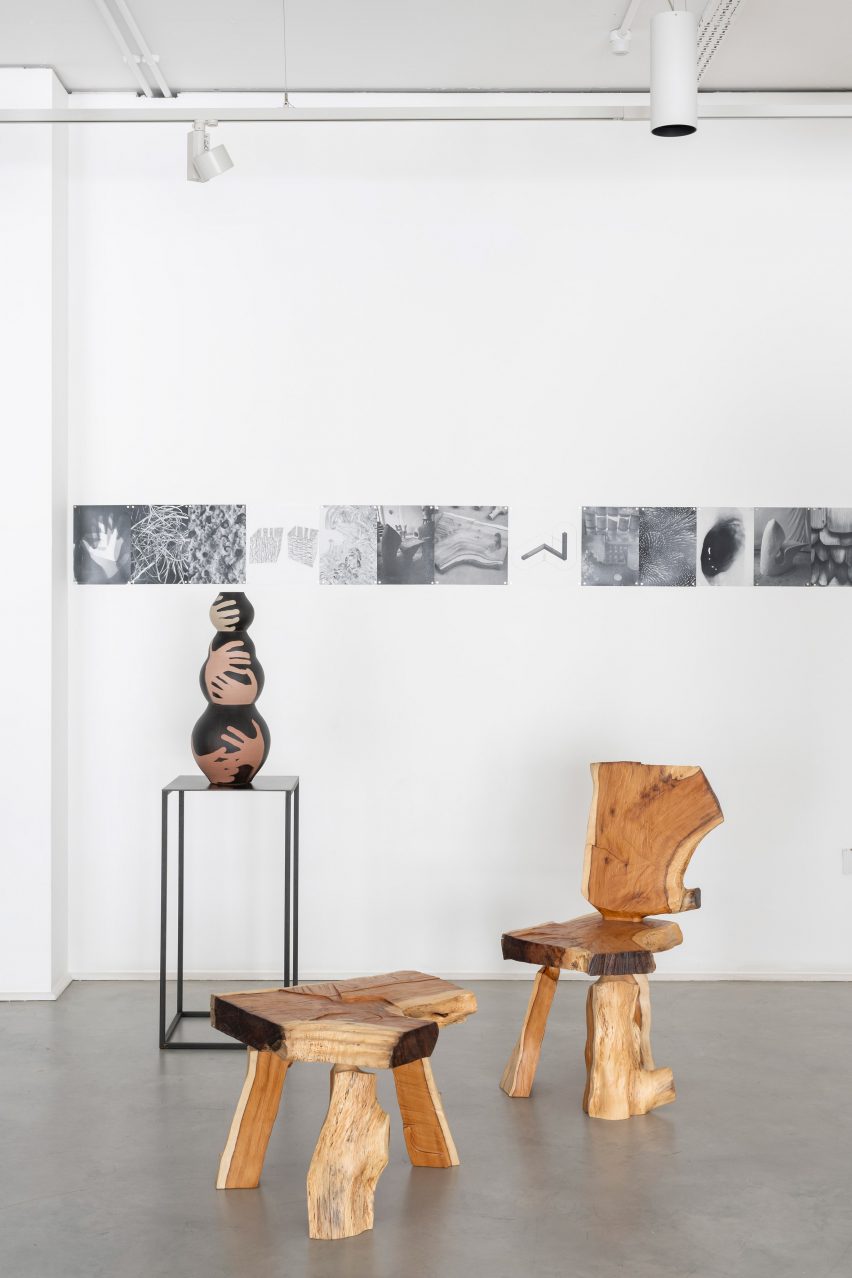
Seating crafted from a single yew log is featured in the exhibition
As the gallery celebrates its 15th anniversary, Sellers likened its growth to the formation of crystals – the material traditionally associated with 15-year anniversaries.
“Grown from small particles into a solid form of geometric beauty, crystal is both a poetic metaphor for Gallery Fumi’s own development over the last 15 years and an opportunity to explore the creative affinity between science, art, and the intricate nature of constructions,” said Sellers.
“After all, is this not a definition of design? The meeting of knowledge, form-making, material exploration and beauty?” Sellers added.
“The works are vibrant and active – sprouting, swirling, twisting, turning – transferring material and form into objects of beauty.”
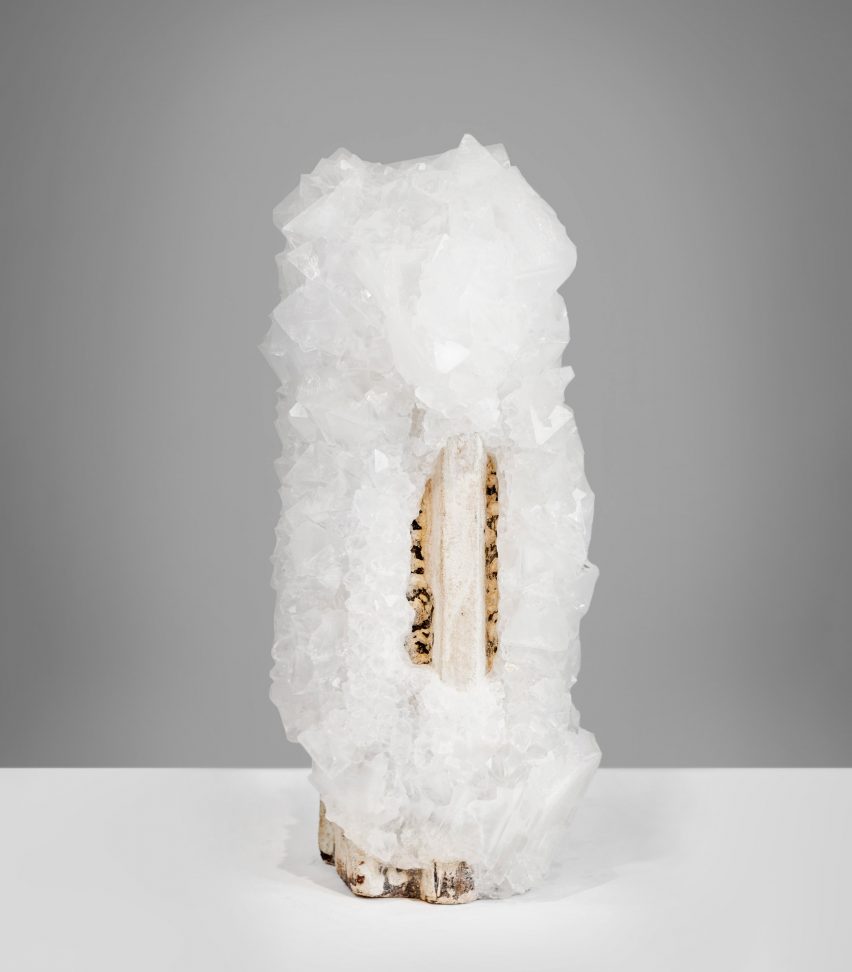
Wegworth created a crystal salt vase for the exhibition
Also on show was a wooden cabinet covered in hand-painted shingles by Berlin-based designer Lukas Wegwerth, who also created a crystal salt vase titled Crystallization 183.
“Crystallization 183 was identified by Sellers as most significant for the exhibition, as not only is the 15-year anniversary traditionally celebrated with crystal, but the process of growing the crystals is a poetic metaphor for Fumi’s growth as a gallery,” Gallery Fumi said.
The wall sculpture Marmaros Metamorphosis II has a tufted texture
Other pieces on display include a sculptural copper floor lamp with a stone base by London design studio JamesPlumb and a chair by British designer Max Lamb crafted from a single yew log.
“Tapping into the creative affinity between science and art, the pieces created for the show will display fluid organic forms, natural materials and geometric structures,” said Gallery Fumi.
The exhibition is on display from 7 to 30 September
The Growth + Form exhibition is on display at the Gallery Fumi in London, UK, from 7 to 30 September 2023. See Dezeen Events Guide for an up-to-date list of architecture and design events taking place around the world.
Brooklyn-based Studio Becky Carter has pulled varied references, from Bauhaus luncheonettes to comedic characters, for the interiors of a bistro in Manhattan’s West Village.
Art deco dining rooms, 1960s Milanese architecture and “a distinctly New York feel” are all evoked at Cecchi’s, the first establishment from veteran restaurant maitre d’ Michael Cecchi-Azzolina.
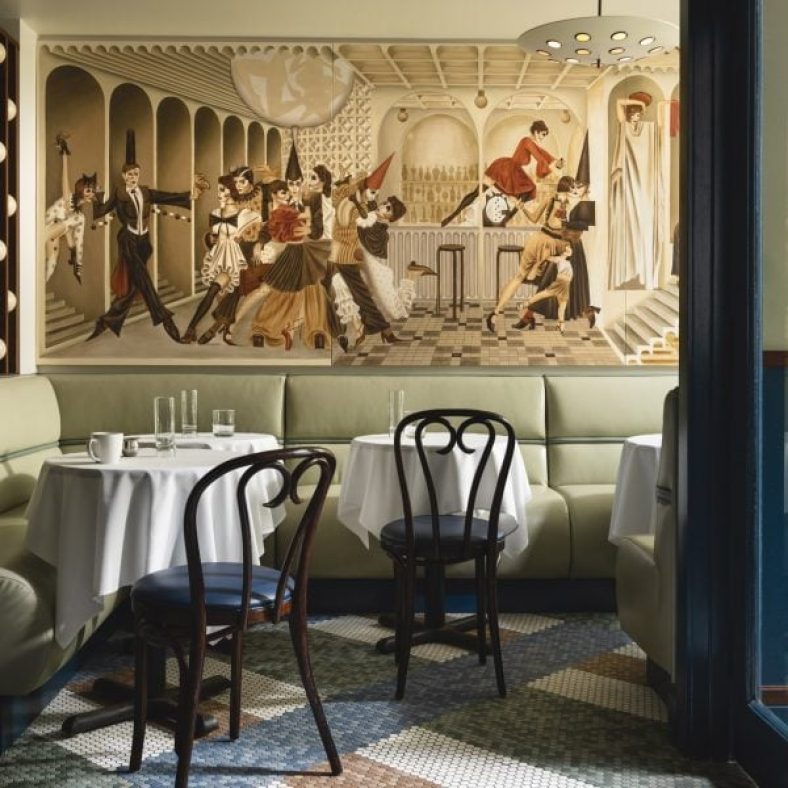
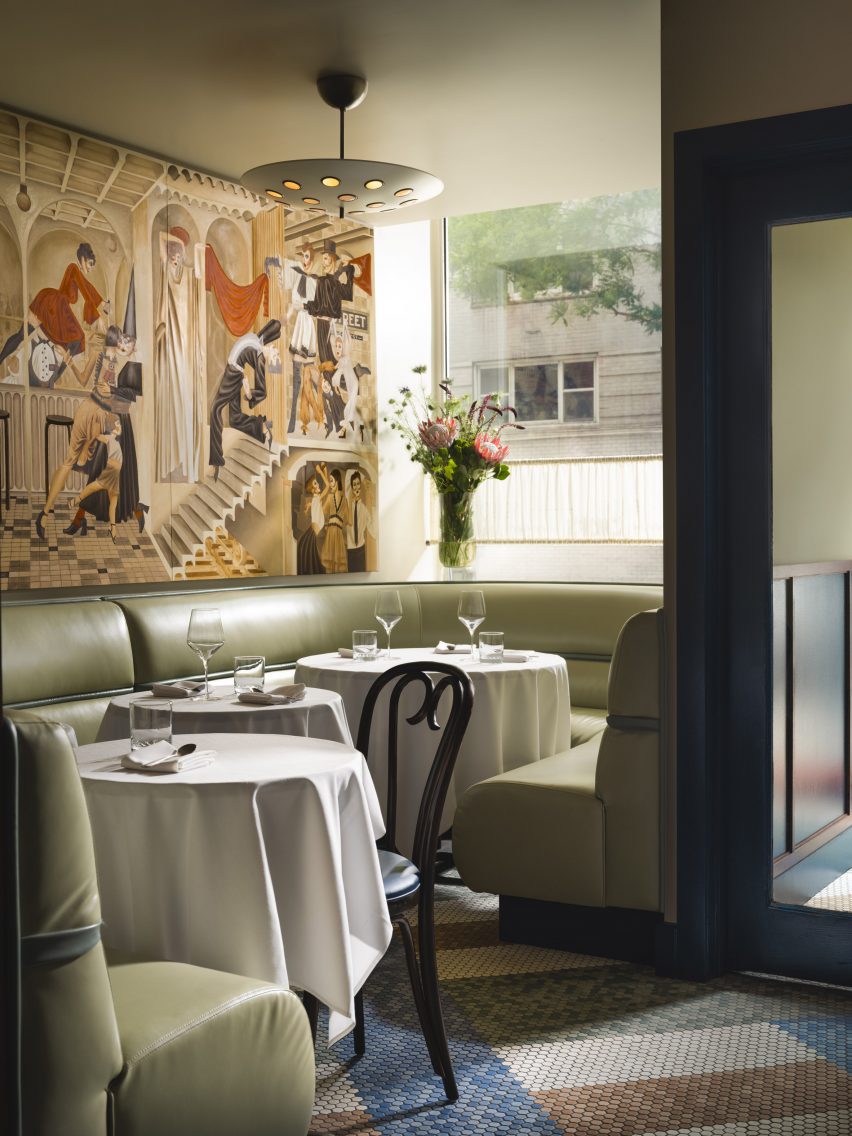
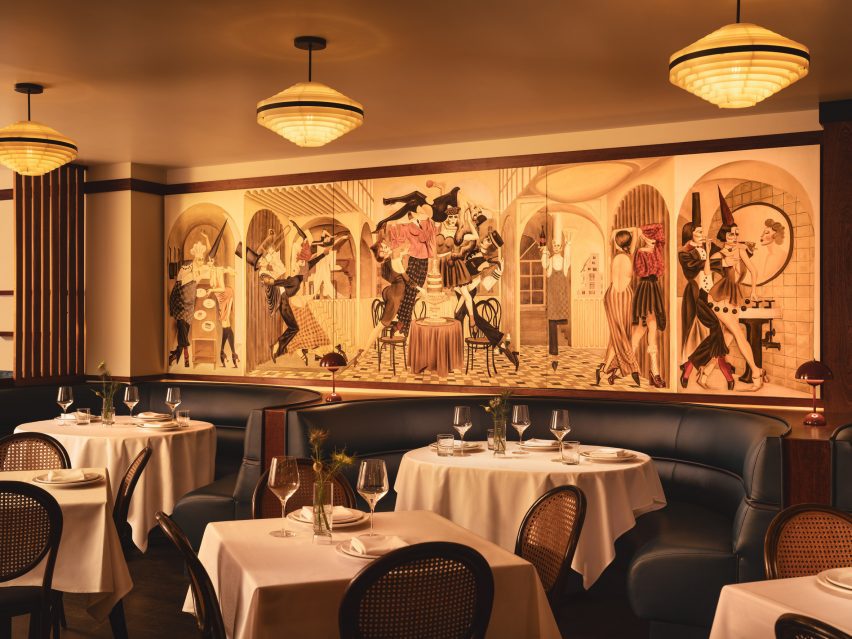
At the entrance to Cecchi’s, pistachio leather banquettes sit below a mural by Jean-Pierre Villafañe
Studio Becky Carter was given creative control to produce an environment that felt distinctively New York, but also presented a departure from the typical bistros.
“My style is retro-futurist, so I take strong cues from historic design narratives and process them through the lens of an imagined future society,” Carter told Dezeen. “When people enter Cecchi’s, I want them to feel like they’ve stepped into old-school, underground, NYC exclusivity, only this time everyone is invited.”
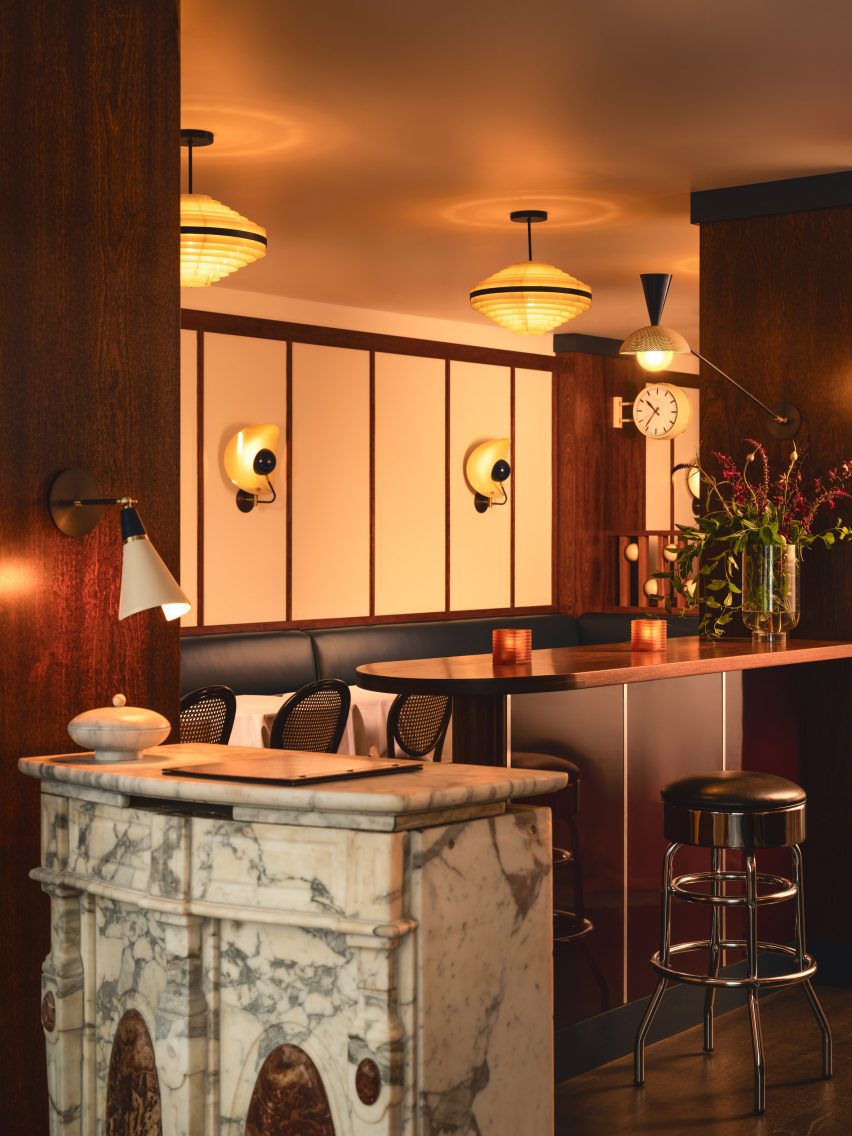
Elements retained from the space’s previous iteration as Café Loup include a marble lectern used as a host stand
A starting point for the design was the whimsical murals of artist Jean-Pierre Villafañe, who was brought on early in the process to create scapes for the restaurant’s walls.
His “transportational” depictions of lively party scenes helped to inform the colour palette for the rest of the space, a mix of reds, blues and tonal browns.
Villafañe’s murals informed the colour palette for the restaurant’s interiors
Some of the dancing figures appear as historic European comedic characters, so Carter also looked to these for influences.
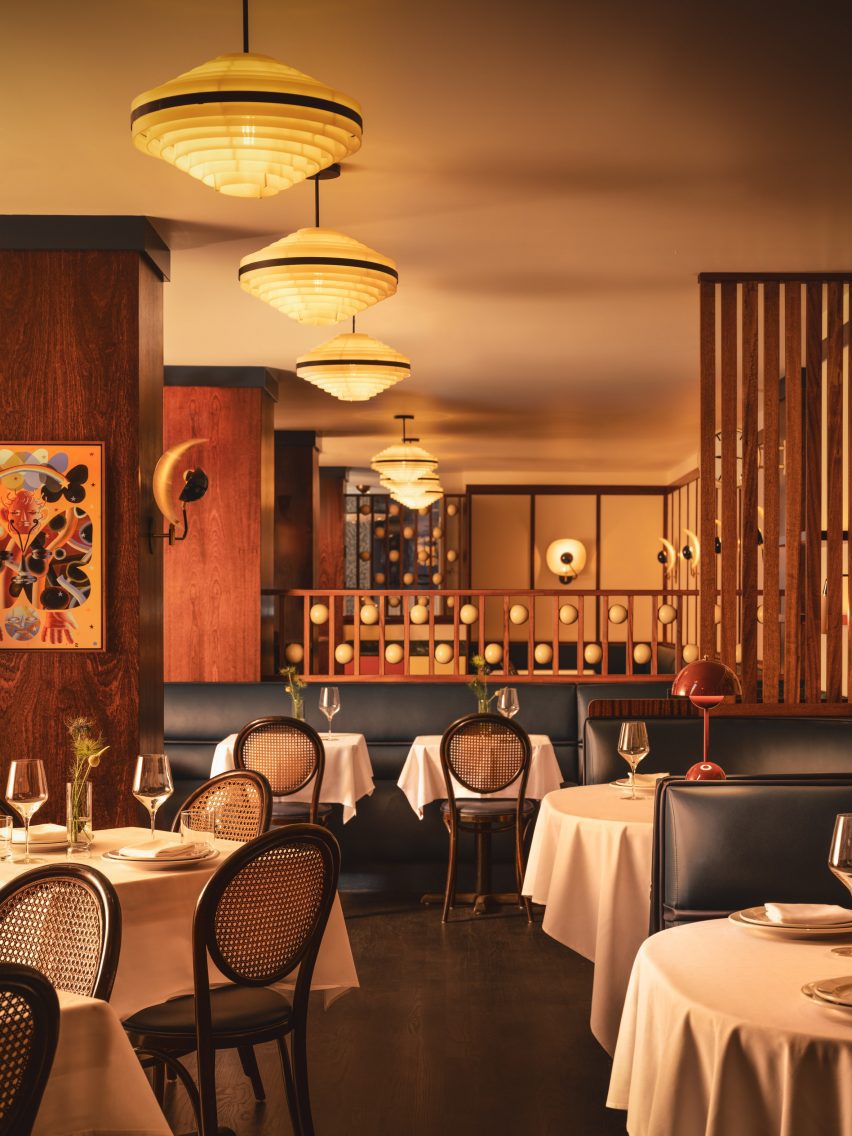
The spheres placed within dividing screens, for example, are reminiscent of those found on a Pierrot costume, a figure in French pantomime theatre, while mosaic floor tiling at the entrance is adapted from Harlequin patterns.
Large columns and louvred dividers break up the space into different yet visually connected areas
“The beautifully finished spheres are just so tactile,” said Carter.”I can’t not touch them every time I’m in the restaurant.”
The long, narrow space posed several challenges, such as the lack of natural light towards the rear and large structural columns that interrupted the flow.
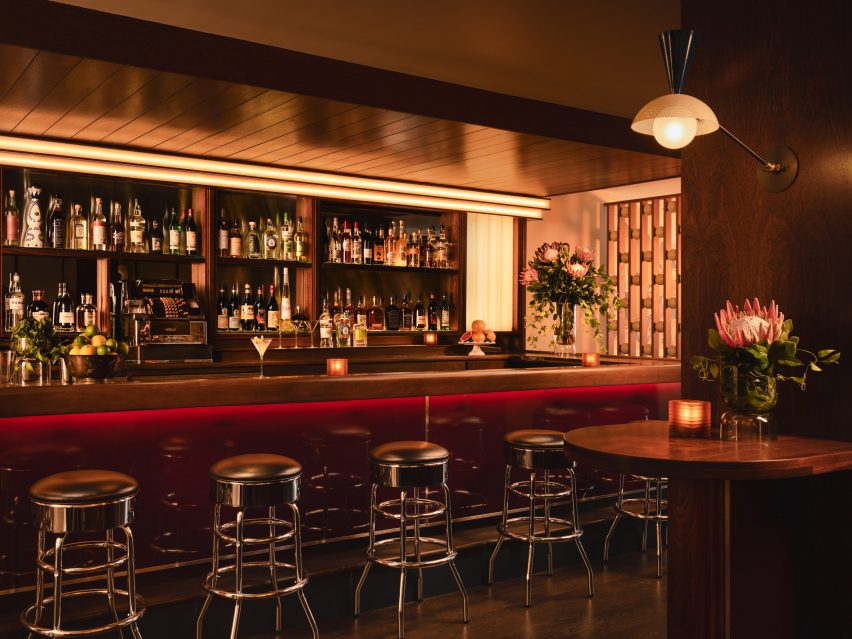
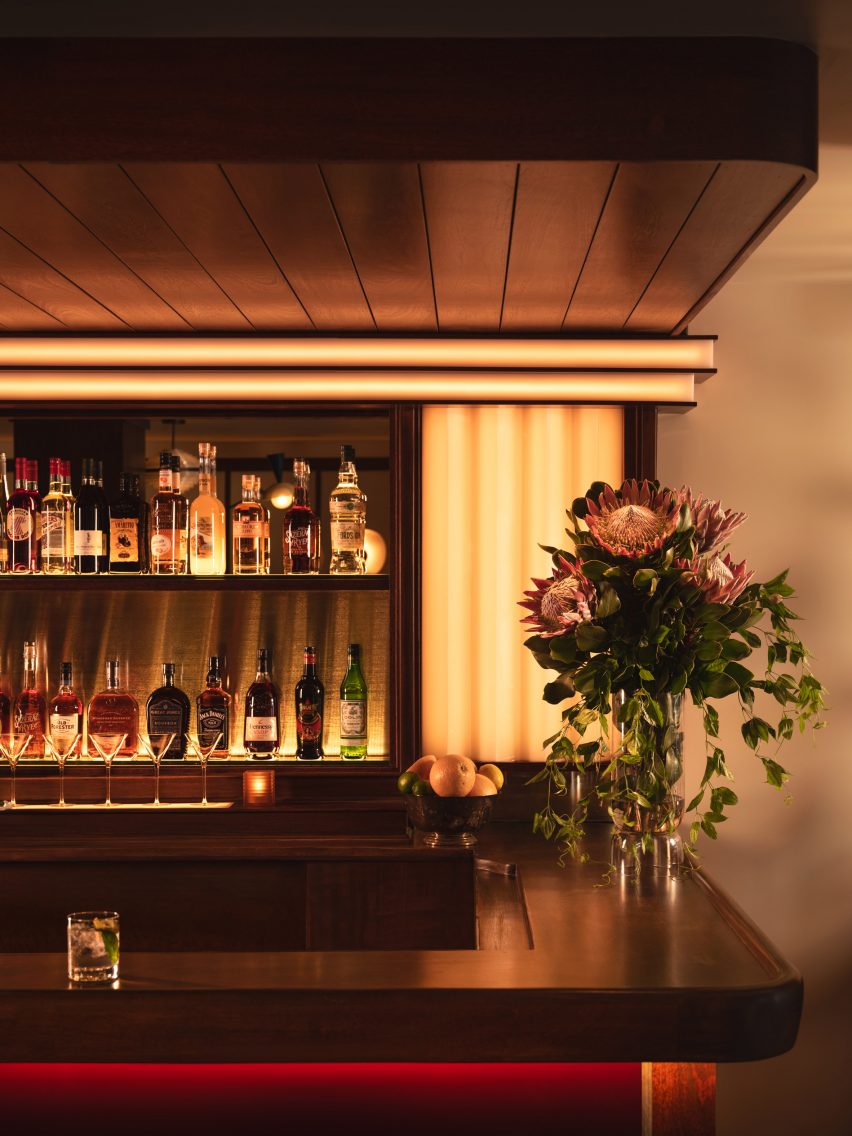
The mahogany bar top was also retained, while high-gloss burgundy lacquer was added to the front
Carter’s approach involved dividing up the restaurant into multiple areas, demarcated by the wood-wrapped columns, louvred dividers and built-in seating – all at different heights to allow visual connections across them.
At the entrance, pistachio green leather banquettes occupy the bright window niches, then the mood shifts to darker and cosier as guests venture further inside.
Soft lighting around the bar adds to the mood in the space
Several elements from the space’s previous iteration as Café Loup were retained or refinished as part of the new design, including the mahogany bartop and the restored caned bistro chairs.
The marble lectern that serves as the host stand and a chrome cash register were also saved, while 1970s Czech lighting was introduced overhead.
White tablecloths lend to the classic, old-school atmosphere, while contemporary details like custom wall sconces and the burgundy lacquered bar front add a more casual twist.
“Michael envisioned the servers being able to pull up a chair and have a conversation about the menu in a convivial manner, and the style was to reflect this,” Carter said.
A private dining room for parties is located at the back of the restaurant
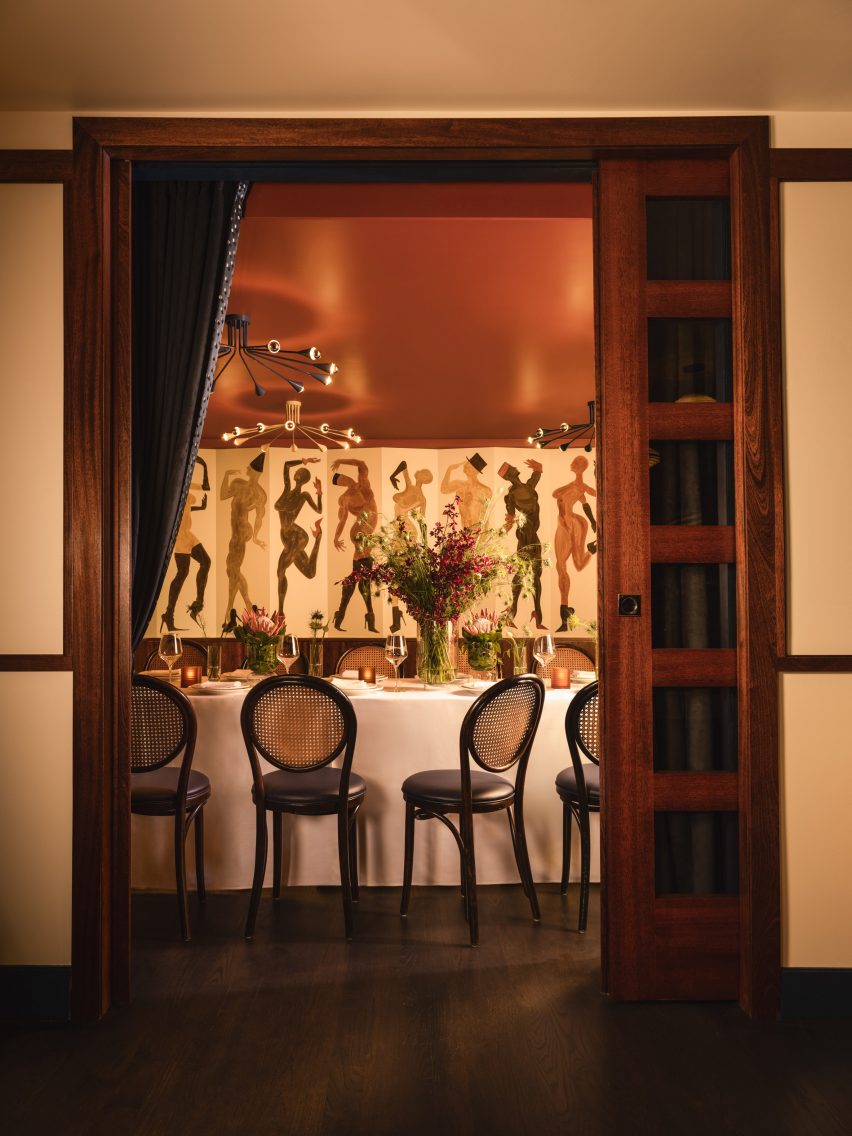
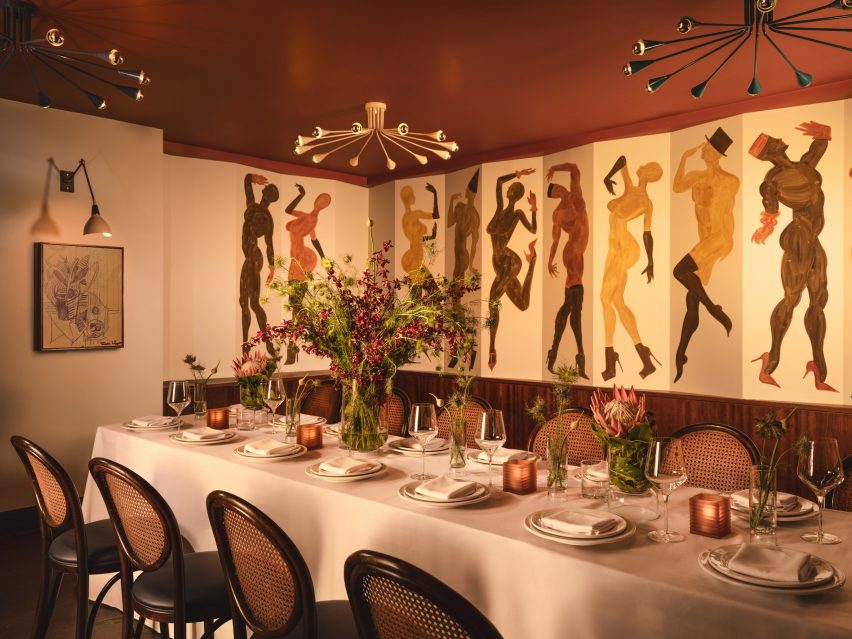
A private room for parties at the back features another Villafañe mural, as well as a rust-coloured ceiling and sci-fi lighting.
Overall, Cecchi’s offers a fine-dining experience that still feels approachable, warm and not too serious.
The private room features another Villafañe mural, as well as a rust-coloured ceiling and sci-fi lighting
Carter founded her eponymous studio in 2016 and has completed a mix of residential and hospitality spaces on both coasts.
Other recently completed restaurants in the US that feature retro-futurist interiors include 19 Town, a Chinese eatery in Los Angeles by Jialun Xiong, while new openings in the West Village include the worker-owned Donna designed by Michael Groth.