Feeding your dog organ meat, as opposed to muscle meat, is a treat, not a balanced meal, says Dr. Jessica Taylor, vice president of veterinary medicine at Petfolk Veterinary and Urgent Care, which has locations in Florida, Georgia and North Carolina.
Organ meat for dogs typically includes chicken, duck and turkey liver, heart and gizzards, but encompasses other internal organs and entrails from larger farm animals, such as cattle and sheep.
Is organ meat safe for dogs?
Dr. Taylor says that organ meat is high in vitamins dogs need like iron, vitamins C and E, as well as protein, which benefits active dogs who participate in dog sports or exercise and play throughout the day. But too much of these nutrients can also cause problems like obesity, so give your dog organ meat as a food additive (for example, mixed in with kibble) instead of a complete meal.
Chicken gizzards are a tough muscle from a bird’s digestive tract, which can present a choking hazard, says Dr. Taylor. Cut chicken gizzards and other tough organ meat into small pieces before feeding it to your dog.
Raw organ meat vs. cooked organ meat for dogs
Dr. Taylor does not recommend feeding any dog raw organ meat, due to the increased health risks from bacteria, which can cause vomiting, diarrhea and even death in both humans and dogs. Although cooking removes some of the nutrients, Dr. Taylor says it’s the safest option.
Feed organ meat to dogs occasionally like once a month, says Dr. Taylor. How much organ meat you feed your dog will depend on your dog’s size and health, so ask your veterinarian before including this type of meant into your pup’s diet, she adds.
Organ meat alone is not a balanced diet. Feed your dog chicken liver and other organ meat as a dog food additive, not a complete meal. A balanced pet food diet ensures your dog is getting proper nutrients.
Final note: Organ meat for dogs a great treat that utilizes your leftovers if you’re cooking a whole chicken for your family, but should be seen as just that, a treat.
Today we have many options on the dog food market. So, how do you decide on a healthy, good dog food for your pup? Here are four things to keep in mind.
Opt for the best-quality ingredients. Dr. Gary Richter, founder of Ultimate Pet Nutrition, says, “Optimal nutrition comes from a balanced, fresh, whole food diet.” In order to create that type of diet for your dog, Dr. Richter recommends, “following a balanced recipe or purchasing a commercially prepared, fresh food diet — cooked, raw or freeze-dried are all fine.”
Factor in your dog’s activity level and weight. Richter advises, “There aren’t really different nutritional profiles specific to breed; although, activity does play a role. More active dogs will need more food/calories than less active dogs.” So, if you have a more athletic dog, they will require more calories, but if they slow down due to medical issues or age, you may need to reduce their caloric intake.
Studies prove that dogs kept at a healthy body condition live up to 2.5 years longer than overweight dogs. For overweight dogs, therapeutic weight loss diets contain less than 260 calories per cup compared to maintenance diets that range from 325 to 500 calories per cup.
Narrow your options by your dog’s age. Dog food is formulated for your dog’s stage of life. Puppies, for example, need a higher percentage of protein to make up their diet. They should not eat food formulated for adult dogs. Senior dogs, on the other hand, may be more prone to medical conditions that affect dietary needs and their reduced activity level will also mean that they’ll need reduced calories in their food. VCA Animal Hospitals advises reducing senior dogs’ calorie intake by 20 to 30 %. Ask your veterinarian for further recommendations. They may also recommend additional vitamins and supplements for seniors to maintain good health.
Talk to your veterinarian about your dog’s medical needs. An appropriate diet can actually improve your dog’s condition in many cases. Dr. Richter says, “Almost any chronic condition in dogs (organ disease, allergies, GI upset, etc.) all can be improved/supported with a fresh diet formulated for that specific condition.”
For example, when it comes to dental issues such as gingivitis, Dr. Richter again recommends fresh, whole foods. This can also help with allergies as “fresh diets will have fewer carbohydrate fillers than kibble,” he says. Dogs with diabetes benefit from a low-fat diet that is high in insoluble fiber. Dogs with skin conditions may require more Omega-3 fatty acids, and studies from nonprofit Ketopet, which studies dog diets and cancer, suggest that canines suffering from certain forms of cancer may benefit from a ketogenic diet.
Your dog’s ideal diet may change over time. Dog breed may have an effect on these factors, but that doesn’t mean every dog of a certain breed should have the same diet. Watch for food sensitivities or allergies. If your dog has a poor reaction to certain foods or seems to have chronic gastrointestinal issues, you may need to try an elimination diet with the help of your veterinarian to find out which foods are causing your pet’s distress.
Your dog is an individual with particular dietary needs, and you may not be able to get all the answers you’re looking for from one article. The best thing to do is to consult a certified nutritionist, your veterinarian or a professional pet care specialist who is familiar with your specific dog. You may choose to buy prepared food for your dog or prepare it yourself, but always follow a nutritionist approved recipe, and make sure to choose dog-safe foods.
When the hot summer months hit, your dog enjoys a frozen treat as much as you. These pupsicles, popsicles for dogs, are a festive addition to your 4th of July celebrations.
Split the ingredients into 4 even layers. Put a layer of yogurt on bottom of cup, layer on some strawberries, add more yogurt, layer on blueberries and top off with more yogurt. The ingredients should fill your cup about ¼ of the way. Insert the chew stick into the middle of the cup. Freeze overnight.
Many dogs enjoy spending time in the water, but some breeds of dogs were developed specifically to hunt, help, and work in the water alongside people.
The top water dog breeds tend to have these features:
strong and agile swimmers
water-repellent coats to keep them warm while diving into frigid waters
some breeds have webbed feet.
If you love spending time near the water and are considering adding a new dog to your family, a water-loving breed is the right fit for you. Keep in mind that each of these dog breeds is active and needs regular training, exercise and enrichment outside the water, too.
Here are the most skilled swimmers in the dog world:
Labrador Retriever
One of the most popular dogs in the United States, the Labrador Retriever was first developed as a duck-hunting dog; they’d retrieve the birds after they were shot. Labs maintain a love of water to this day. Labradors have a short dense coat, a strong natural retrieving instinct and an attraction to water. These dogs are active, playful and naturally outgoing making them very popular family dogs.
Labs have a short, dense coat, which is ideal for water play. Chalabala/Getty Images
Newfoundland
This giant breed was developed specifically to work in frigid Canadian waters. Natural swimmers, Newfoundlands have partially webbed feet and were bred to pull in fishing nets from the frigid North Atlantic waters. These dogs have historically been used for water rescue. A full-grown Newfoundland dog can pull people and even boats from the water. This strong, large dog has a thick coat to keep him warm in frigid waters and maintains strong working instincts.
Bred as a duck dog to assist hunters, the Chesapeake Bay Retriever dog breed has an oily waterproof coat to glide through the water and keep him warm. The unique oily coat repels water in the same way duck feathers do. These dogs have webbed paws and can swim powerfully in cold waters, while maintaining a strong retrieving drive, which makes them popular hunting dogs.
Don’t let the fancy appearance of this breed fool you: The Standard Poodle is a born and bred water dog. Developed as a duck hunting dog in Germany, Standard Poodles were bred as strong swimmers. The fancy show Poodle haircut we see today was developed to reference the work these dogs were originally bred for: The hair poofs, or pom-poms, give these dogs full range of motion, but provide warmth and protection over their joints and organs.
Nova Scotia Duck Tolling Retriever
This small retriever is built to powerfully move through the water. Developed to look like foxes, Nova Scotia Duck Tolling Retrievers were bred to get game birds into shooting range without arousing suspicion. Then, these agile retrievers go into the water and retrieve the birds. These dogs are strong swimmers, high-energy, known for their unique vocalizations sometimes called a “toller scream,” and thrive when they have a job to do.
Regardless if you have a dog who is bred to be in the water or a breed who takes to water less naturally, be slow and intentional about how you introduce your dog or puppy to water. Choose quiet water that isn’t too overwhelming, has minimal waves and a gentle slope. Here are more tips for teaching your dog to swim. Once he is comfortable in the water, you can spend time swimming together, or even get him involved in Dock Diving.
Kristina Lotz has been a writer on all-things animal for over a decade. A former CPDT-KA dog trainer, she has competed in agility, herding and rally with her dogs. Now, she clicker trains her horse! Follow life on her farm @MeridaTheBitless.
If your dog has a habit of eating foreign objects from around the house, you’re not alone. This is a common behavior in many dogs, with serious consequences. Bowel obstruction in dogs can quickly escalate to a life-threatening emergency. Know the signs and causes, so you can get the best treatment, plus learn how to prevent this emergency.
What is a bowel obstruction?
Bowel obstructions occur when a dog’s stomach becomes partially or fully blocked, so food or water cannot pass through your pup. As a result, dogs become dehydrated and malnourished. In severe cases, bowel obstructions can cause electrolyte imbalances and permanent damage or perforation of the intestines.
Common causes of bowel obstruction
Common household items cause bowel obstructions in dogs. These include:
Socks and underwear
Bones
Corn cobs and fruit pits
String
Floss
Tampons
Aside from ingesting household items, bowel obstructions can stem from:
Intestinal masses
Severe intestinal inflammation
Severe constipation
Intussusception (folding of the intestines)
Signs of bowel obstruction in dogs
Common signs of bowel obstructions include:
Vomiting
Diarrhea
Lethargy
Loss of appetite
Weight loss
Dogs with partial obstructions may experience the above symptoms with less severity or experience the symptoms intermittently.
Dog bowel obstruction treatment
The cause for your dog’s bowel obstruction will dictate his treatment plan.
If you know or are concerned that your dog has ingested a foreign object or your dog is displaying symptoms of an obstruction, consult your veterinarian immediately!
Bowel obstructions related to foreign objects can sometimes be managed by inducing vomiting. This should only be done under the direct supervision of your veterinary team and immediately after ingestion has occurred. Some dogs, depending on their size and what was ingested, may pass the object naturally.
Your veterinarian may run additional diagnostics, including:
Physical exam
Radiographs
Abdominal ultrasound
Bloodwork
Often, bowel obstruction cases require surgical intervention. Depending on your dog’s condition, IV fluids and supportive care are given prior to surgery. Your dog will undergo general anesthesia before your veterinarian makes a surgical incision into the intestines to remove the obstruction. The vet may need to remove portions of dead and necrotized intestinal tissue.
Dogs who ingest foreign objects are often repeat offenders. If your dog has lost some of his intestines or has scar tissue as a result of previous obstructions, treating future obstructions is riskier.
How to help your dog pass the obstruction
Some dogs, depending on their size and what was ingested, may pass the object naturally. If your dog’s condition appears stable and non-painful, performing gentle massage can promote healthy movement of your pup’s bowels and overall gut motility, potentially helping to naturally pass the obstruction.
Here is a step-by-step article discussing how to massage your dog to help him poop. If you know your dog ingested something sharp, such as glass, never attempt to help him pass the obstruction. Discontinue the massage session if your dog displays distress or his condition worsens.
Preventing bowel obstruction
To minimize future risk of your dog swallowing something, make some changes to your household management style. Just follow these tips:
Remove your dog’s access to trash. Keep trash in a dog-proof container and keep trashcans covered.
Eliminate bones as treats by not offering them to your dog or keeping them in a covered trashcan.
Track when items are missing and consider if your dog could have swallowed them.
Supervise your dog with toys. Remove any toys that are falling apart or have pieces your dog may swallow.
Remove non-food items from your dog’s reach. Keep counters clean for those counter-surging dogs and items off the floor.
Watch for signs and symptoms
Most dogs with bowel obstructions make a complete recovery, but early intervention is key. Do not ignore signs and do not assume that your pup will pass an obstruction naturally. If your pup has already gone through a bowel obstruction, the biggest means to prevention will be minimizing risk. I hope this does not become your dog’s “thing,” but if it does, these tips may save his life!
The danger of coffee toxicity depends on the amount of grounds eaten versus the weight of your dog, says Dr. Natalie Isaza DVM, owner of Access Veterinary Services in Florida.
Knowing this information saves valuable time.
Regardless of your dog’s size, a dog eating coffee grounds is an emergency, whether your dog rummaged through the garbage or swiped chocolate-coated coffee beans off the counter.
“The first thing to do is to call your veterinarian, or if after hours, call the pet poison control hotline,” Dr. Isaza says.
Calling poison control after your dog ate coffee grounds
The veterinarian or poison control will want to know information about the incident and your dog to figure out the toxicity level. Quickly jot down this information before calling:
An estimate of the amount eaten.
A good estimate of your dog’s weight.
The approximate time when the coffee was eaten. (Transit time through the gut is important.)
Signs of toxicity (restlessness, hyperactivity, vomiting, and agitation). These can occur within 30 minutes, sometimes progressing to tremors and seizures.
24/7 animal poison control options after dog ate coffee grounds
Is caffeine bad for dogs?
Caffeine is not dog-friendly. “An average cup of caffeinated coffee contains 95-160 mg of caffeine, and the toxic dose for dogs is around 25 mg per pound of body weight. Coffee grounds may contain more caffeine, simply because of the concentrated nature of the grounds,” Dr. Isaza says.
Dogs are more likely to consume something tasty, but some will eat or chew on anything. Keep all K-Cups, coffee-laced food, including used or fresh grounds, beyond your fur pal’s reach, says Dr. Isaza. Don’t forget about coffee grounds placed outside as mulch around plants; grounds can be ingested while foraging for other things.
When your dog consumes any amount of coffee in any form, immediately contacting your vet or poison control with the right information is Plan A.
Any dog of any age or size can choke on almost anything. It can be a pet parent’s worst nightmare. An object can get stuck in a dog’s throat, block an airway, and render the dog unconscious.
And it can happen quickly and unexpectedly. Just ask Ryan Shaw, a certified professional dog trainer at What A Great Dog training center in Frisco, Texas. She was conducting an agility class when one of her students was holding her small terrier named Calli in one hand while encouraging Calli to nibble on the end of a hotdog held in her other hand.
“Suddenly, Calli ate the whole hot dog, started gagging and two seconds later, she was not breathing,” recalls Ryan. “I learned how to do the Heimlich maneuver in a pet first aid class. I grabbed the dog, cradled her in my arm and performed abdominal thrusts. I then turned her upside down, hit her sharply on her back about four times and the hot dog popped out and landed on the floor. The dog recovered very quickly and resumed normal breathing, but it all happened so quickly.”
Tragically, more than 200,000 choking incidents among dogs and cats occur each year in the United States with veterinary care to treat these pets topping $500,000 annually, according to veterinary experts.
“A dog in respiratory distress will be a scared dog,” says Dr. Judy Morgan, who practiced veterinary medicine for 36 years and now runs Dr. Judy Morgan’s Naturally Healthy Pets to educate and empower pet parents to bring out the healthy best in their pets. “I saw many choking cases during my career and some of these cases did not have good outcomes, which is very sad as this is something that is preventable.”
Sharing her need to prevent choking in pets is Johnna Devereaux, a clinical pet nutritionist and chief nutrition officer at Bow Wow Labs. This company creates the Bow Wow Buddy, a line of Safe Fit Bully Sticks life-protecting safety devices. This device securely holds a chew in place to allow a dog to chew without choking on the last bit.
“No matter the size of the chew or treat, always supervise your dog when they are consuming something,” says Johnna. “Dogs don’t have the tactile ability to hold small pieces in their paws, so they take them whole into their mouths. This can be a recipe for disaster.”
Dr. Morgan and Johnna are teaming up to launch the first National Pet Choking Prevention Day on June 22. Sponsored by Bow Wow Labs, the mission is to educate pet parents and pet professionals on solutions that can help eliminate pet choking incidents on long-term chews and other objects. Learn more at https://nationalpetchokingpreventionday.com.
“Through education and national awareness, we hope to bring that staggering number of pet choking incidents down to zero because the best and worst part of choking is that it is preventable,” says Johnna.
Dr. Morgan urges pet parents to know their dogs’ eating and playing styles.
“It is important to understand how each individual dog handles treats, food and long-lasting chews,” she says. “Some will try to gulp them while others will chew off small bits at a time. Supervision is critical.”
Recognize that dogs love to chew, adds Johnna.
“The natural act of chewing supports so many different bodily systems,” says Johnna. “Benefits include supporting oral health by massaging the gums, engaging the jaw muscles and providing friction against teeth to act like a natural brush to help boost oral care. The act of chewing releases serotonin, which supports a healthy and calm state of mind.”
Dr. Morgan and Johnna recommend pet parents enroll in pet first aid classes offered in person and online that address ways to prevent and to provide on-the-scene first aid for dogs choking.
“Every pet parent should watch a video on performing the Heimlich maneuver or take a course in pet first aid,” says Dr. Judy. “Having knowledge prior to an incident will save valuable time and potentially, save the life of a dog.”
Johnna and Dr. Morgan also recommend these preventive tips to reduce the risk of your dog choking on an object:
No toy should be able to fit inside a pet’s mouth as it can easily cause choking and block the airway.
Choose tennis balls that are wider than the wide of a dog’s jaw so it won’t get stuck inside the mouth during a game of fetch.
Routinely do a pet safety check in each room of your house to make sure that small objects, such as a plastic container of dental floss or a toddler’s small doll is not within reach of a curious dog.
Carefully scrutinize when selecting chews and treats. Safer examples include dehydrated meats, pizzle sticks and soft chews, says Dr. Morgan.
Step-by-Step Guide to Performing Heimlich on Dogs
Dogs of any size will attempt to dislodge any object in their mouths by coughing and lurching forward. Step in to assist when this coughing turns into a gasping sound called a stridor. Your dog needs you to perform the Heimlich maneuver designed for pets in a calm manner.
As a master certified pet first aid/CPR instructor for 12 years and founder of Pet First Aid 4U, I train pet parents and pet professionals in the veterinarian-approved way to perform abdominal thrusts safely and effectively on dogs and puppies.
For small dogs with airways partially or completely blocked by an object, follow these steps:
Stand and hold your dog with his back against your stomach.
Hold him up with one arm around his upper abdomen.
With your other hand, make a fist (tuck in your thumb).
Position your closed fist at the end of ribcage in the soft spot.
Thrust your fist in and upward five times in a row on the dog’s exhale to try to dislodge the object.
Every five thrusts, open and inspect the mouth to see if you can dislodge any object.
Be ready to perform rescue breaths if the dog becomes unconscious. Use your speaker function on your cell phone to alert the nearest veterinary clinic of your arrival as you continue the abdominal thrusts.
For medium to large dogs whose airways are partially or completely blocked by an object, follow these steps:
Stand behind your dog if he is standing.
With one hand, make a fish and tuck in your thumb.
Position this closed fist at the soft spot just past the ribcage.
Use your other open-palm hand to hold this fist in place.
Thrust your hands up and forward (toward the dog’s mouth) five times in a row on the dog’s exhale to try to dislodge the object.
Every five thrusts, open and inspect the mouth to see if you can dislodge any object.
Be ready to perform rescue breaths if your dog becomes unconscious.
Use your speaker function on your cell phone to alert the nearest veterinary clinic of your arrival as you continue the abdominal thrusts.
Dr. Judy Morgan offers additional option if the object is wedged in the back of the throat and cannot be safely removed:
“If the dog is lying down, stabilize the pet by placing one hand on the spine and thrust upward under the ribcage with the (closed) fist of your second hand,” she instructs. “Repeat the thrust four or five times, checking the mouth after each attempt to see if the object has dislodged.”
Choking Hazards
Here is a rundown of some everyday items that a dog can swallow and cause choking and even trigger unconsciousness:
It’s officially summer and here in Northern California that means hot, dry weather, lots of pool and ice cream time — and the start of fire season. Over the past couple of years, devastating fires have destroyed homes and millions of acres of land, displacing families, pets and wild animals. Although, it’s not pleasant to think about, having an emergency preparedness plan for your family, including your pets, makes split decisions easier when disaster strikes. June is National Pet Preparedness month and an ideal time to start (or finalize) your plan. Need some inspiration? A couple years ago, I wrote this article about organizations that help pets in natural disasters.
One step is making sure you prioritize the right gear, such as a carseat, harness, leash and to-go bag packed with essentials. Having these items in one organized location eliminates the stress of decision making when you have to get out of the house fast.
Planning to attend any dog events near you? Send us pictures of your pup to be featured on our social media pages.
June 19-23: PSI’s National Take Your Pet to Work week
June 23: PSI’s National Take Your Dog to Work day
June 2023 dog events
Throughout June, 2023:Humane Society’s #MoreThanaPet campaign continues to raise money for pet parents who don’t have money or access for pet supplies and vet care. Visit morethanapet.humanesociety.org to learn more about the campaign and share the story of what your pet means to you. Every photo shared = one bowl of food for pets in underserved communities.
Throughout June 23, 2023: For the 10-year anniversary of Apoquel, a medicine to relieve allergic itch and inflammation in dogs due to atopic and allergic dermatitis, the company is launching a grant programfor pet shelters across the U.S. The program will enable 10 shelters to provide allergic relief to about 100 dogs in each of their local communities. Zoetis will announce the 10 selected shelters during “Itchy Pet Awareness Month” in August. To enroll and see requirements, visit Zoetis For Shelters by June 23.
June 2-4, 2023:Bark on Biddle is a three-day dog festival in downtown Wyandotte, MI. Dogs compete in Dock Jumping competitions, chase a lure at Lucky Dogs Lure Course, play in a Puppy Foam Party with their owners and participate in other contests throughout the day or socialize with other pets and their humans. There will be a variety of pet related vendors, doggy fashions, homemade dog treats, unique dog toys, dishes and samples of dog food and treats.
June 4, 2023:Petco will host a ribbon-cutting ceremony at 11:30 a.m. EST. for the grand opening of its new Union Square flagship, a unique one-stop health and wellness destination for pets, in New York City. The new two-story, 25,000 square-foot pet care center combines the best of Petco’s physical and digital offerings, including a stylish grooming salon, full-service veterinary hospital, JustFoodForDogs kitchen and curated merchandise assortment for a complete pet care experience. The ceremony will be followed by the “Paws in the Park” party and adoption event at noon. Petco Love will bring together more than 20 local animal welfare partners, including Muddy Paws and Animal Care Centers of NYC, to help hundreds of adoptable pets find loving homes. Additionally, there will be a fashion show, presented by BOBS from Skechers, featuring adoptable pets. To help raise awareness for Petco Love’s lifesaving work, local artist Andrea Cáceres, who is also featured in the flagship’s “17th & Bark” collection, will design a custom mural to be displayed at the event.
June 4, 2023: Join the Irvine Animal Care Center in Irvine, California to its 17th annual Super Pet Adoption & Fundraiser event. Local pet rescue groups bring adoptable dogs, cats and birds, along with vendors and services for pets and their humans like gourmet food trucks, a bake sale and a drawing giveaway. Tickets are sold at the door: $5 for adults, free for children. Event parking is free.
June 5, 2023:The ElleVet Project begins its summer veterinary mobile relief tour providing free veterinary care and supplies to the pets of the unhoused and low-income communities throughout the United States. The ElleVet team travels throughout the country treating thousands of pets in unhoused, low-income communities and areas stricken by natural disasters in a 32-foot RV dubbed the “ElleVan.” The complete schedule of summer dates and locations is available on the nonprofit’s website.
June 7, 2023: Tune in while Morris Animal Foundation co-hosts a webinar with TedxMileHigh on Hemangiosarcoma, a deadly cancer in dogs. Dr. Kelly Diehl, senior director of science communications at the foundation, will sit down with Dr. Antonella Borgatti, professor of oncology at the University of Minnesota, to talk about clinical signs, treatment options and new research findings that could change the odds for dogs suffering from this cancer. Register here for this event.
June 10, 2023: Join Helen Woodward Animal Center’s 35th Annual Spring Fling Gala on June 10 from 6 p.m to 11 p.m. at Fairbanks Village Plaza in Rancho Santa Fe, Calif. Guests will enjoy cocktails, dinner, music and a silent auction. Tickets can be purchased at silver, gold and platinum levels (ranging from $300 – $600 a ticket) with various special amenities included at each level.
June 11, 2023: Join the annual Put-in-Bay Pooch Parade at 10 a.m in Ohio, where judges determine the cutest, smallest, largest, most talented, individual best dressed, group best dressed and the dog that looks most like its owner. Registration begins at 9:30 am at the DeRivera Park gazebo.
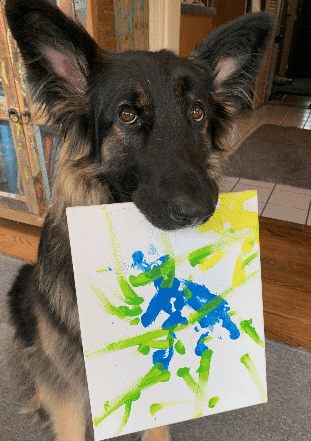
June 12- 18, 2023: Bid on original artwork created by 16 of the world’s best painting canines (and one special guest sloth)! The 3rd annual Tripawds Dog Art Auction, held online and run by the Tripawds Foundation, raises money for amputee pets battling cancer by funding the Kaiserin Cancer Care Package program, which delivers monthly care bundles for dogs and cats who have lost a limb to cancer.
If you live in a hot climate and want a dog who can tolerate the heat and accompany you in all this fun, there are particular breeds who like — and even thrive — in warmer temperatures.
“Certain breeds stand out for their ability to cope in warm climates,” says Dr. Alex Schechter, founder of Burwood Veterinary. “Breeds better suited for hot weather have developed a range of physical and behavioral characteristics that allow them to tolerate high temperatures and humidity levels. These traits include a thinner coat, loose skin, larger ears and a more efficient respiratory system.”
Dogster also interviewed Ben Ryba & Brendan Foster, co-owners of True Canine Training, to learn more about hot weather dog breeds.
Best hot weather dogs: Top 9 breeds
Basenji
Known for their independence and intelligence, Basenjis are an ancient African dog breed who’s no stranger to warm climates. Their short, fine coat, small stature and large ears help keep them cool in hot weather. A Basenji’s ideal human companion is an experienced dog handler, hunter/sportsman, or family with older children. Basenjis groom themselves similarly to cats and require brushing every few days due to their low shedding.
A pint-sized breed originating in Mexico, the Chihuahua has a thin, smooth coat best-suited for warm weather. These small pooches love to be lap dogs and are deeply devoted to their families and can often be caught sunbathing or cuddled under a blanket for warmth. Chihuahuas are great for apartment dwellers and families with older kids. Long-haired Chihuahuas require frequent grooming, while short-haired Chihuahuas only need occasional brushing.
“The German Shorthaired Pointer is a hunting dog and typically will grow to be between 50 and 70 pounds. They have short fur and no hair underneath, which keeps them cool in the heat,” Ben and Brendan say. “They love to run and swim and are great for a family, a hunter, or someone who is an outdoor enthusiast in warmer environments.”
While the German Shorthaired Pointer (GSP) isn’t a heavy shedder, the dog breed can shed year-round in warmer climates and require more frequent brushing.
The Vizsla is a Hungarian dog breed with a short, sleek coat that makes them well-suited to hot weather — and easy to groom! But because they’re high-energy dogs who require a lot of exercise, they may need to be exercised early in the morning or later in the evening to avoid overheating, Dr. Schechter says. Known to be “Velcro dogs,” Vizslas make excellent family dogs and are best for anyone with an active lifestyle and able to spend ample time with them.
The Australian Cattle Dog, also called the Blue Heeler, has a short double coat that keeps this dog breed cool no matter whether they’re working or playing hard. Developed in — you guessed it — Australia, this medium-sized breed is known for high energy and endurance and a love of exploring, making them a great fit for active pet parents, families, hunters or cattle breeders.
The visually striking Pharaoh Hound originated in ancient Egypt and is known as one of the oldest domesticated breeds. Natural athletes, Pharaoh Hounds love running and swimming and thrive in hot weather thanks to their large ears and short, thin fur that doesn’t need much grooming. Pharaoh Hounds are adaptable, active and affectionate; all they really require from a companion or family is that someone keep up with their exercise needs.
Not only is the Yorkshire Terrier’s fine, silky hair fabulous, but it’s also beneficial in keeping them cooler when temperatures rise. (Although, you’ll need to keep your Yorkie inside during extreme heat.) Yorkies are small dogs with larger-than-life personalities and lots of energy, surely an excellent match for high-energy types and families with older children. It may come as no surprise that their beautiful, long coats require regular grooming.
A distinct, rare breed, the Mexican Hairless or Xolo for short, originated in ancient Mexico and has little-to-no hair, making it easy to stay cool on hot days. While easy to groom, this also means this dog breed needs sunscreen when outside since the skin is susceptible to sunburns and shouldn’t be out in extreme heat. The Mexican Hairless can be standard, miniature or toy-sized. Regardless of size, these gentle and playful dogs make great companions for people and families who may consider themselves couch potatoes.
Another ancient dog breed is the aristocratic Afghan Hound. Originating in Afghanistan, the Afghan Hound is highly adaptable to both hot and cold temperatures. This medium-sized breed has a single, silky coat so glamorous that it requires regular grooming. Often referred to as being “cat-like,” the Afghan Hound is independent, athletic and laid-back. Their ideal human companion is an experienced pet parent who lives a more active lifestyle.
“Different dog breeds have varying heat tolerance levels, but all dogs can be at risk of heat exhaustion or stroke in hot weather,” Dr. Schechter says.
High temperatures pose several dangers for all dogs. However, puppies, geriatric dogs and dogs with health conditions should especially avoid being in hot weather since they’re at a higher risk of developing heatstroke.
Provide your dog with ample shade and water. If you notice signs of overheating, give your dog room temperature water and get to a veterinarian immediately.


 “A dog in respiratory distress will be a scared dog,” says
  Dogs of any size will attempt to dislodge any object in their mouths by coughing and lurching forward. Step in to assist when this coughing turns into a gasping sound called a stridor. Your dog needs you to perform the Heimlich maneuver designed for pets in a calm manner.